
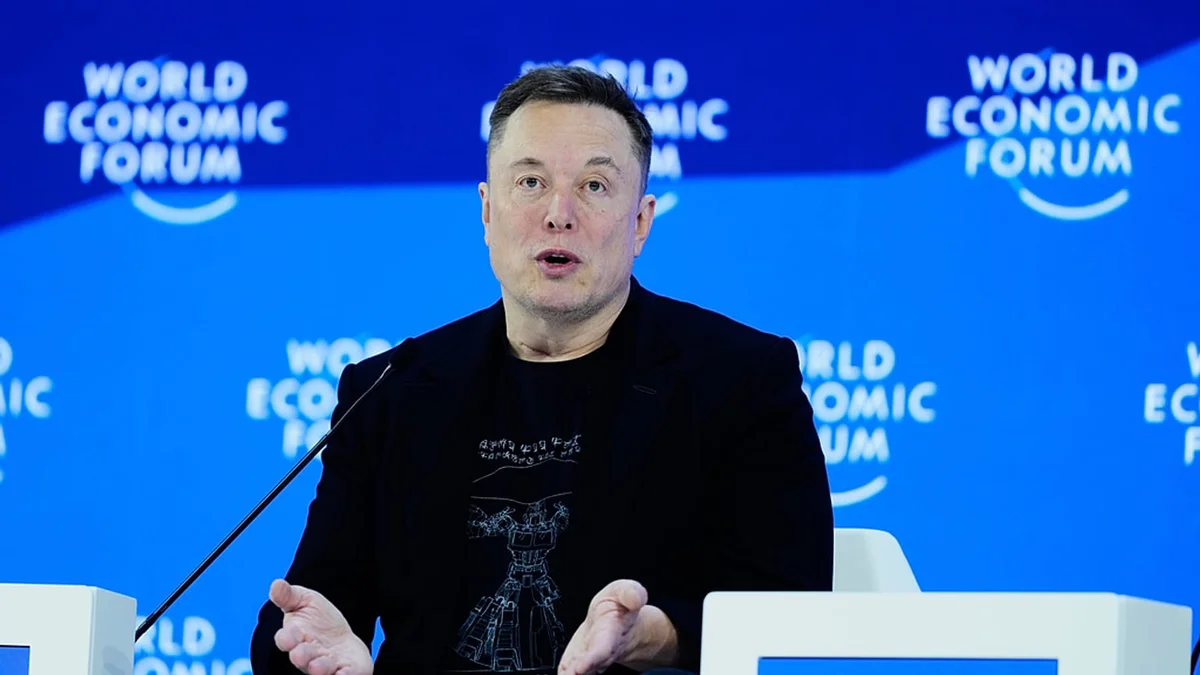
Musk returned to the idea several times during 2026. In March, he reacted positively when entrepreneur Nikita Bier suggested that a Jurassic Park startup might now be fundable, saying he hoped somebody could make it work.
The comments became much more explicit in April. Responding to evolutionary biologist Richard Dawkins, Musk said extinct species should be brought back, especially dinosaurs, and added that researchers could fake them if they had to.
He followed that with another post praising Michael Crichton's Jurassic Park concept and saying he hoped humanity could have one in the future.
There is a fairly large gap between wanting one and funding one
Musk had already discussed the fantasy at length during a Moonshots conversation on de-extinction. An island full of dinosaurs appealed to him enough that even an extremely small risk of a visitor being eaten became part of the joke.
At the 2026 Abundance Summit, he again asked for someone to build Jurassic Park in real life and said he would definitely visit.
None of those appearances included the practical parts normally associated with a project announcement. Musk has identified no site, company, budget, opening date or biotechnology program dedicated to creating the park.
The idea is real. The development project currently is not.
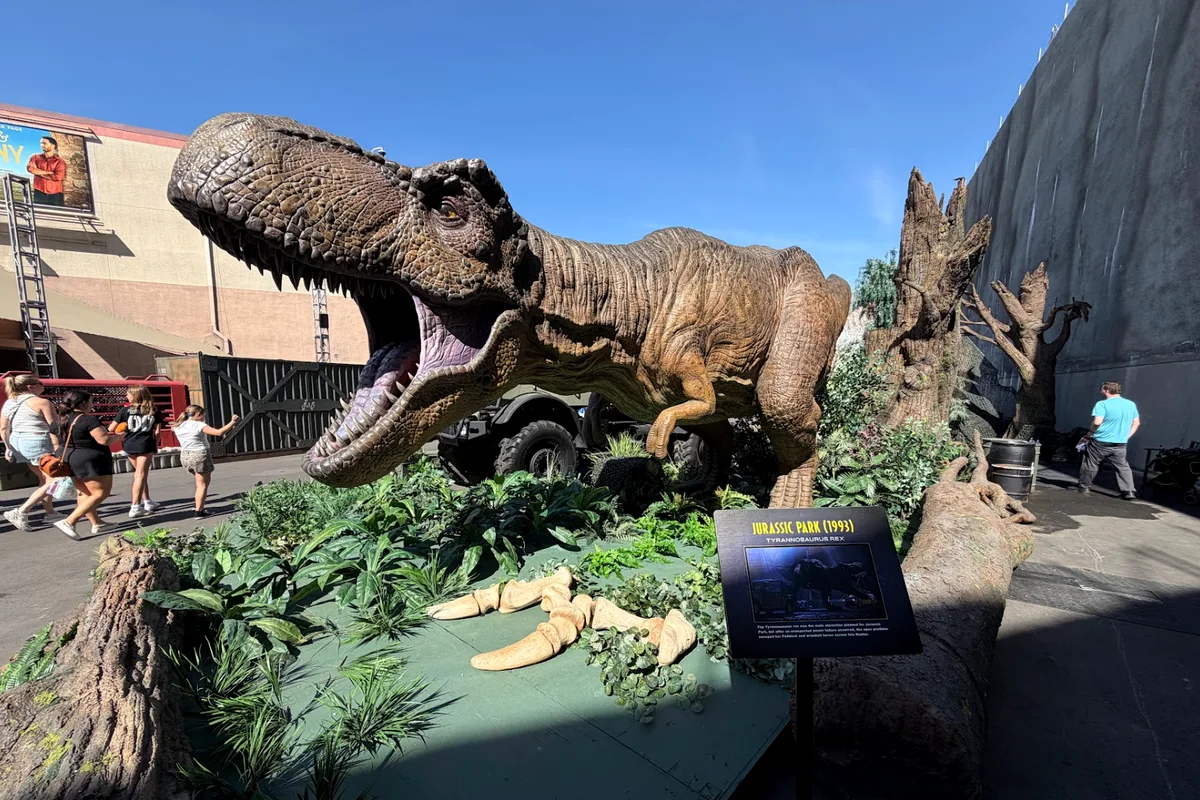
Actual dinosaur DNA is where the movie stops helping
Jurassic Park gave popular culture an elegant mechanism for de-extinction: recover ancient dinosaur DNA, repair the missing genetic information and use it to produce living animals.
Real molecular biology is far less cooperative. Colossal Biosciences, one of the companies actually pursuing de-extinction technology, states directly that non-avian dinosaurs are beyond the reach of current methods because no usable dinosaur DNA survives.
The animals disappeared roughly 66 million years ago. DNA degrades on a dramatically shorter timescale, leaving researchers without the genetic blueprint required to reconstruct an authentic Tyrannosaurus rex.
Musk's own answer effectively acknowledges the problem. If real dinosaurs cannot be recovered, make something that looks like them instead.
A dinosaur-like animal would be a new creation
That distinction changes the entire scientific question. Genetic engineering could in principle modify a living species to express selected physical traits associated with ancient animals. The result would not suddenly become the extinct species whose fossils inspired those edits.
It would be a genetically engineered modern organism.
Such an experiment would introduce questions about animal welfare, biological safety and what scientific purpose is actually served by creating a convincing imitation. A theme park is a rather different objective from ecological restoration.
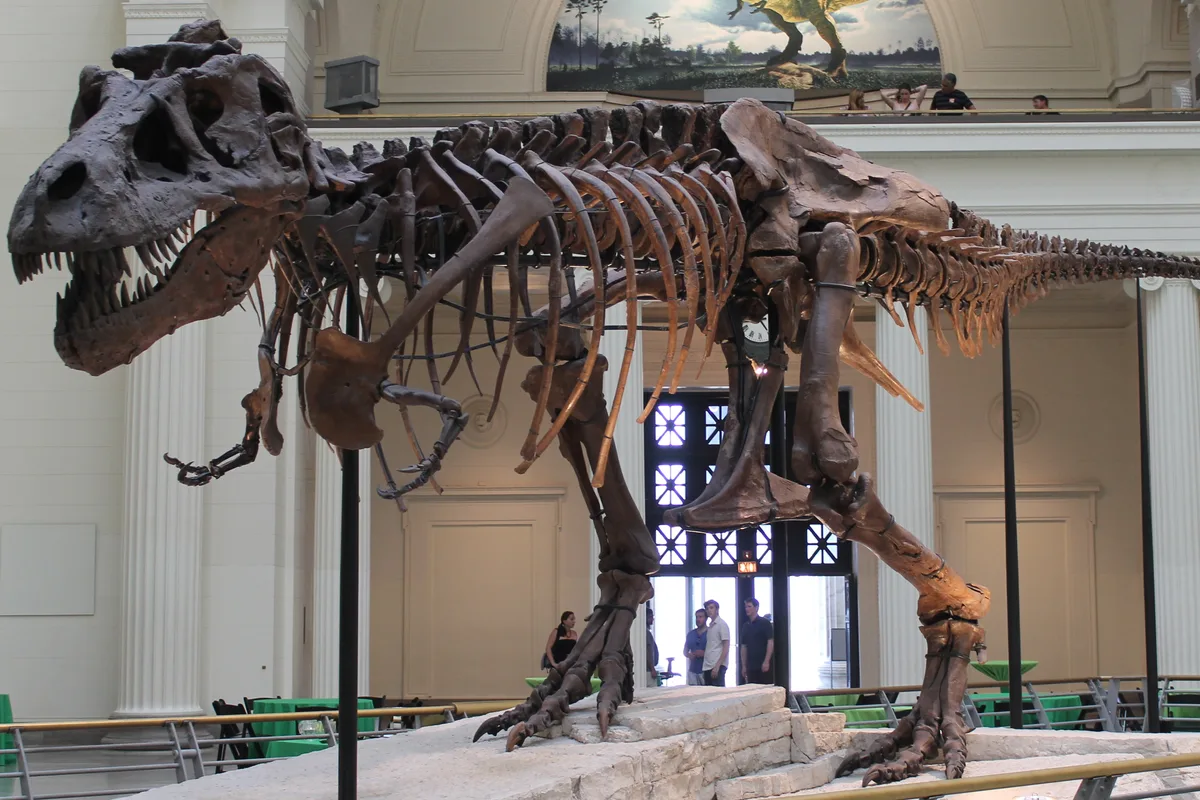
De-extinction is real enough to make the rumor sound plausible
Companies such as Colossal are one reason the story no longer sounds entirely like science fiction at first glance. Colossal is actively developing projects around the woolly mammoth, thylacine and dodo, using surviving genetic material and living relatives as the foundation for genome engineering.
The company also describes its engineered dire wolves as an example of functional de-extinction, although its own conservation material refers to them as proxies and explains the genetic-engineering role of modern canids.
That work is possible precisely because these species are vastly more recent than non-avian dinosaurs and provide researchers with genetic information Jurassic Park's animals do not.
Colossal's public answer on dinosaurs is unusually unambiguous: there is no surviving DNA in dinosaur remains capable of supporting de-extinction.
So Musk's real Jurassic Park currently exists in the same place it has for most of 2026: in conversations, social posts and a very enthusiastic billionaire's imagination.