
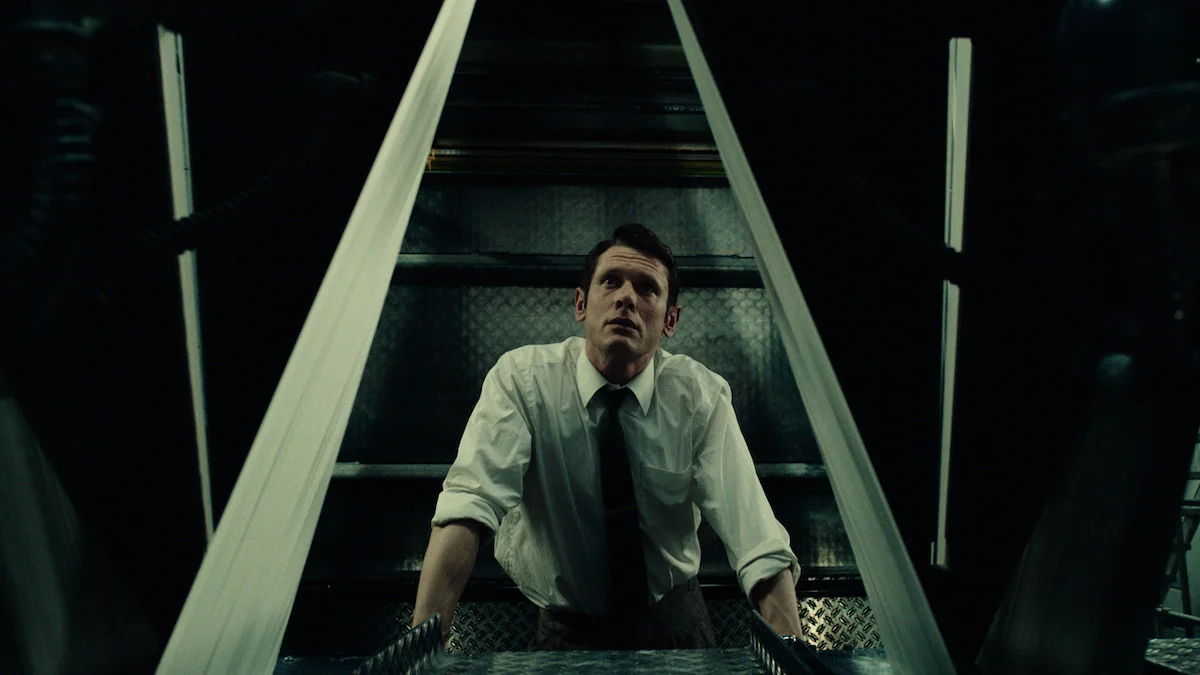
The film opened the 83rd Venice International Film Festival in competition on September 2. James Graham adapted the screenplay from his own stage play, with Boyle directing a 116-minute account of The Sun's transformation.
Jack O'Connell plays Larry Lamb, the editor hired to reshape the paper. Guy Pearce is Rupert Murdoch, while Claire Foy plays Jules Davies.
Boyle treats 1969 as the prehistory of the feed
The director has been unusually explicit about the connection he wants audiences to make. In his Venice statement, Boyle placed The Sun's rise on a line that eventually reaches Fox News, clickbait, Twitter, Facebook, Google and Truth Social.
That is not a claim that Murdoch and Lamb invented every later form of attention economics. Ink is more interested in an editorial instinct: stop assuming that prestige is the product and start studying what people will actually buy.
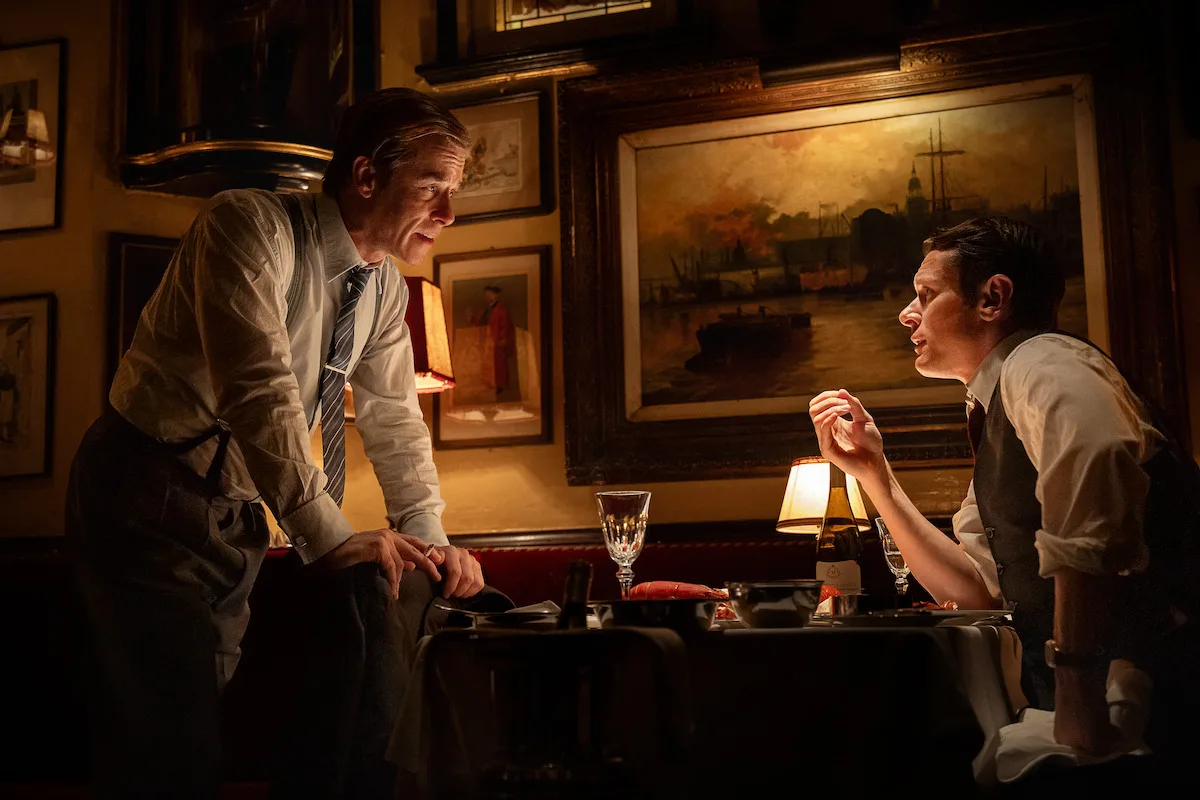
Once that instinct becomes the organising principle of a newsroom, circulation is not merely a business metric. It begins shaping tone, story selection and the acceptable level of provocation.
The Mirror is the target
The dramatic contest is built around The Sun's attempt to overtake the Daily Mirror. Lamb assembles a newsroom designed to move quickly, speak more bluntly and package stories for immediate popular impact.
Boyle's teaser turns that process into machinery. Printing presses thunder, pages fly and newspaper production takes on the tempo of an industrial thriller.
It is an unusually natural fit for him. Boyle has spent decades making momentum itself part of his visual language; Ink gives that momentum a circulation target.
The real subject is what happens when attention becomes the product
Murdoch's purchase of The Sun provides the historical spine, but the film is not framed simply as a media tycoon biography. It is about a business discovering that news, spectacle and provocation can be engineered together.
Modern platforms did not invent the desire to capture attention. They made the feedback faster, the measurement more precise and the distribution effectively continuous.
Ink arrives in 2026 with very little distance between those two ideas.
Its own distribution is thoroughly modern
STUDIOCANAL financed the film and retains theatrical distribution across several territories including the United Kingdom and France. Netflix acquired rights in the United States and Latin America.
In those Netflix territories, Ink is scheduled for a limited theatrical release on December 11 before streaming on January 8, 2027.
The Venice premiere therefore doubles as the start of a long international rollout rather than a conventional wide release campaign.
A story about old media with no interest in staying in the past
The technology in Ink is paper, ink and enormous presses. The behaviour underneath it is much more familiar: discover what keeps the audience looking, make more of it, then build power from the scale that follows.
The machines changed. The competition for attention did not disappear with them.