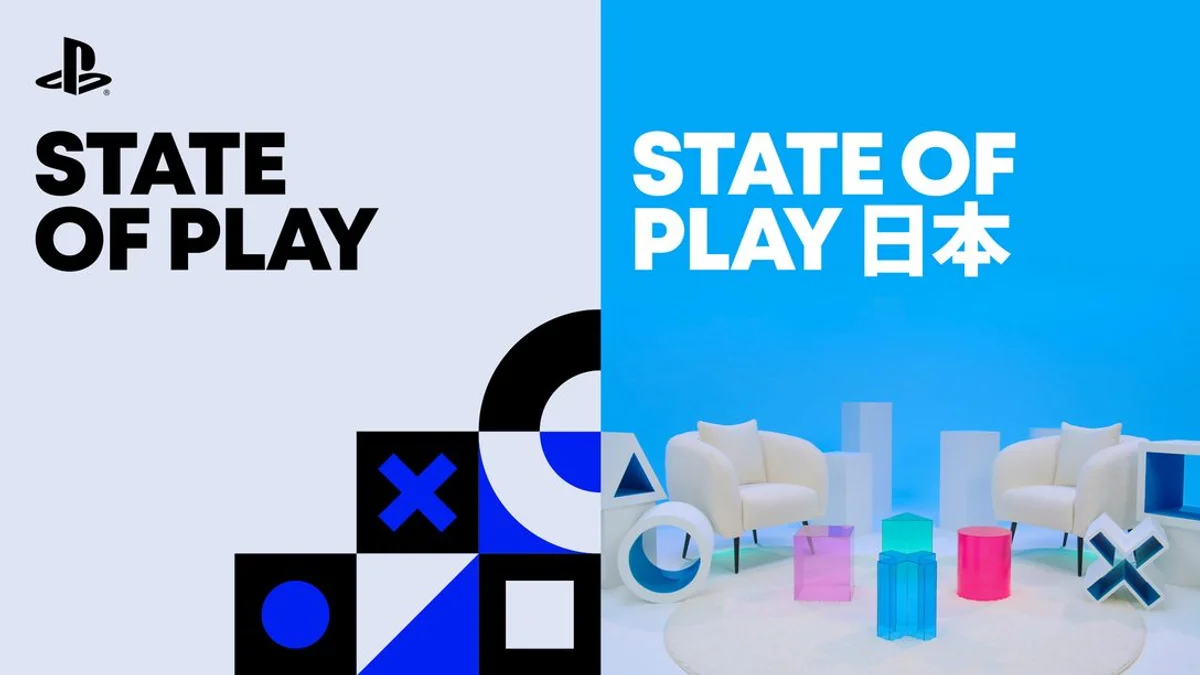
The format was explicit before the event started. Sony Interactive Entertainment said the first State of Play would feature PlayStation Studios and third-party partners. State of Play Japan would follow immediately with a stronger focus on developers from Japan and Asia.
The final programme showed how those groups can occupy the same commercial calendar without serving the same purpose.
Square Enix received the closing slot
Final Fantasy VII Revelation was the main show's finale and its most extensive individual segment. Square Enix confirmed an April 8, 2027 launch on PS5 and presented more of its expanded world.
For PlayStation, this is an important release without being an internally developed one. Metro 2039 creates a similar relationship in February, while Capcom's Monster Hunter Wilds: Ascendance gives the platform another large 2027 release without requiring Sony to fund or operate the franchise itself.
That is one of the enduring advantages of a platform holder with strong third-party relationships: the calendar can become more attractive even when ownership of the individual games remains elsewhere.
First-party output was spread across different stages of its lifecycle
Marvel's Wolverine represented the immediate end of the pipeline with a launch trailer ahead of September 15. Firesprite's Until Dawn 2 moved into a January 28, 2027 slot.
Gran Turismo 7 occupied another category entirely, with two Spec IV update drops scheduled for later this year. Ghost of Yōtei also appeared with additional Complete Edition content.
New releases, catalogue extensions and continuing games all compete for attention differently, but a platform showcase can use each of them to keep the ecosystem active.
The Japan broadcast widened the supply side
A dedicated second presentation gave Japanese and Asian developers more room than a single condensed segment would have allowed.
Konami introduced more of Rhapsody in Scarlet, while Cygames used the programme to establish its CygamesEdge label and the debut game Where the Seeds Fall. Gundam Rogue Orbit, Fate/Extra Record and several additional projects extended the 2027 list.
For Sony, that breadth matters independently of which individual game eventually becomes a breakout hit. A platform catalogue benefits from having different publishers, genres and release windows rather than one homogeneous pipeline.
The PlayStation brand also sells outside software
Two Grand Theft Auto VI limited-edition DualSense controllers appeared during the event. Sony and LEGO also revealed a near-life-size recreation of the original PlayStation console.
Neither announcement changes the PS5 software slate, but both show how the platform can monetise recognition around hardware design and major licensed properties alongside game releases.
The programme suggests a strategy without formally declaring one
Sony did not use the State of Play to announce a new corporate doctrine. It would therefore be inaccurate to describe the broadcast as confirmation that PlayStation has deliberately replaced major internal reveals with partner volume.
What the show did demonstrate is a broad operating model. Square Enix can headline. Capcom can supply a major expansion. Firesprite can hold a January first-party slot. 4A Games can fill February. Smaller projects can surround them, and accessories or subscription additions can occupy the same distribution channel.
More than 30 games made the argument through scheduling rather than a strategy slide.