
Reuters reported on August 26, citing Bloomberg, that Meta and state attorneys general had discussed a possible mid-trial settlement. No final agreement had been publicly confirmed at the time of checking.
That report landed immediately after Instagram chief Adam Mosseri spent Tuesday answering questions about how the company handled safety features for teenagers.
A safety tool became much more relevant once it became the default
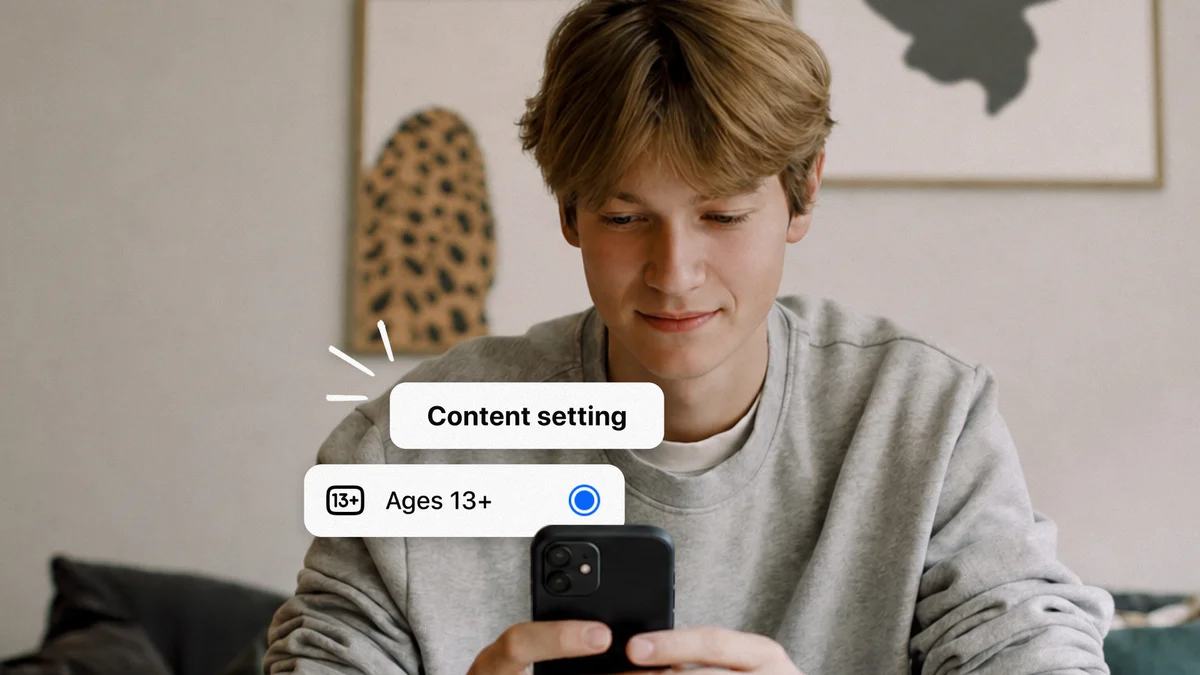
Instagram introduced Take a Break in 2021 as a way to encourage users to leave the app after set periods. Mosseri acknowledged that only a low-single-digit percentage of teenagers used the feature before Instagram made it a default setting for teens in September 2024.
That gap is central to the states' argument. Their case is not simply that Meta lacked safety features. They argue that the company understood how product defaults affected behavior and failed to move quickly enough when stronger protections could reduce engagement.
Meta rejects that framing. Mosseri said he did not encourage teams to hide safety information and defended the company's approach to research and youth protection.
The states are attacking both product design and data practices
California, Colorado, Kentucky and New Jersey are litigating consumer-protection claims alleging that Meta designed Facebook and Instagram in ways that drove excessive use by minors while misleading families about the risks.
A broader group of 29 states is also pursuing federal claims under the Children's Online Privacy Protection Act. Those states accuse Meta of collecting personal information from children under 13 without the required parental notice or consent. The current case also includes allegations that children's data was used to train machine-learning and generative-AI systems.
Meta denies wrongdoing. Among its defenses, the company argues that it could not have misled consumers about a recognized medical condition called social media addiction because no such formal psychiatric diagnosis exists.
The business risk goes beyond a damages number
The states have discussed penalties that could reach into the tens or hundreds of billions of dollars. A settlement could resolve some or all of that exposure without allowing the case to run to a final liability ruling.
The other risk is operational. The jury's verdict in the federal case is advisory. U.S. District Judge Yvonne Gonzalez Rogers ultimately decides liability, civil penalties and any changes Meta could be required to make to Facebook and Instagram.
Several state attorneys general were preparing press conferences as reports of settlement talks emerged. As of the latest check, however, the reported negotiations had not yet become a publicly confirmed settlement.