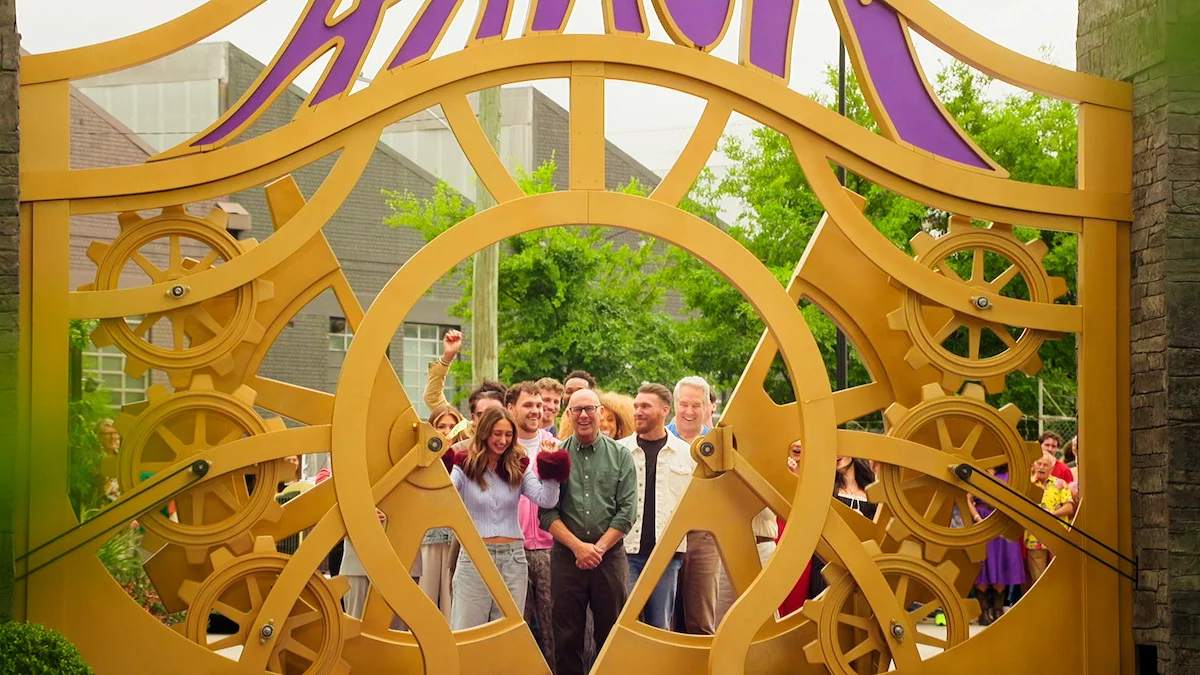
Wonka's The Golden Ticket premieres September 23, with a two-part finale following on September 30. Twelve Golden Ticket winners enter the factory, each bringing a partner, creating a field of 24 competitors.
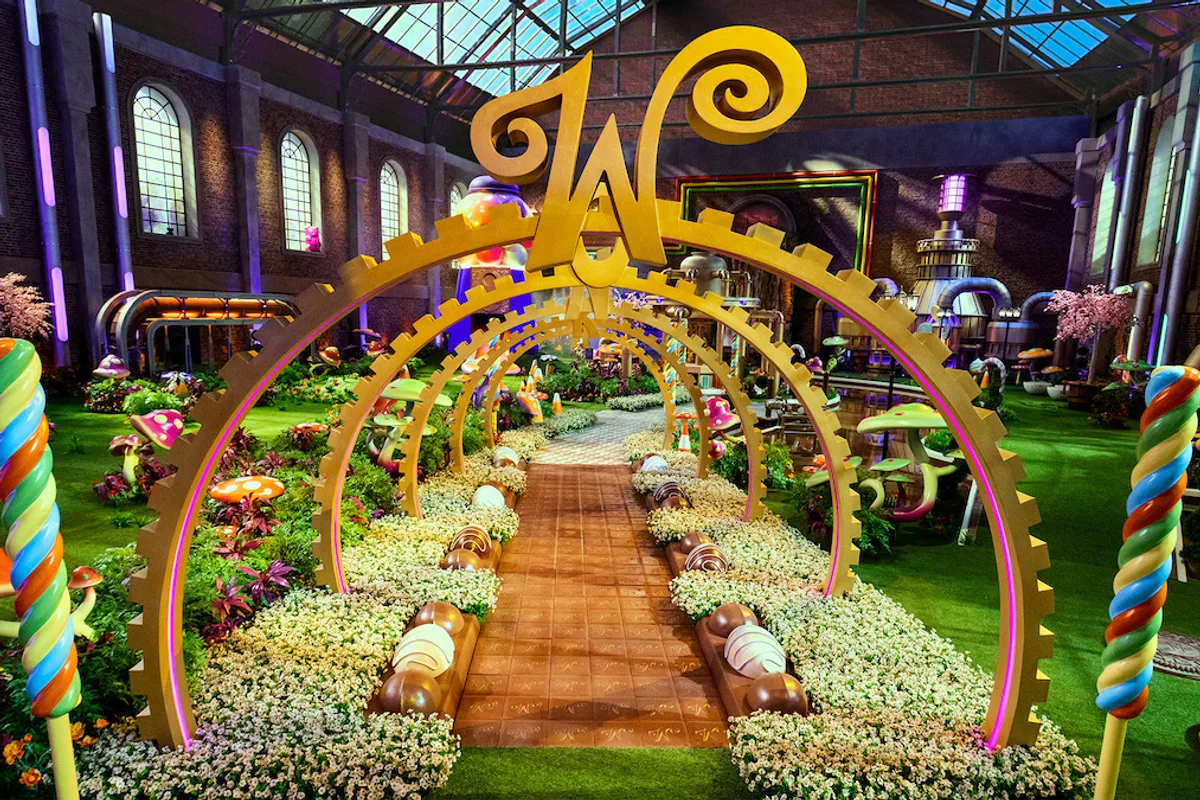
The contestants face physical, mental and moral tests while moving through a production built around Wonka's temptations. Netflix describes the format as both a competition and a high-stakes social experiment.
Gene Wilder's voice is becoming part of the new factory
The most consequential connection to the 1971 movie is not a costume or a recreated room. Netflix says the series will feature a recreated version of Gene Wilder's voice as Willy Wonka.
The Wilder estate has consented to the use. Karen B. Wilder, speaking on behalf of the estate, has framed the decision as a way to celebrate the humor, warmth and imagination of Wilder's performance for both longtime fans and a new generation.
Netflix does not, however, identify the technical method used to create the voice in its announcement. The company calls it a “re-created voice” without specifying whether it relies on archival editing, a performer, voice synthesis or multiple techniques.
That distinction matters. Calling it an AI recreation without additional evidence would go beyond what Netflix has publicly confirmed.
Estate approval answers one question, not every question
Consent makes this fundamentally different from an unauthorized attempt to imitate a deceased performer. Wilder's representatives are participating in and endorsing the use.
The broader industrial issue remains. Film and television companies increasingly have technical options for extending recognizable performances beyond an actor's lifetime, and every approved production helps establish expectations for how those tools may be used.
The Golden Ticket is especially notable because Wilder's vocal identity is not merely referenced. It is being incorporated into a new show as connective tissue to a performance created 55 years earlier.
The 1971 movie is being rebuilt in more tangible ways too
Rusty Goffe, who appeared as an Oompa-Loompa in Willy Wonka & the Chocolate Factory, returns to the factory and helped inform the production's updated approach to its Oompa-Loompa workforce.
Wonkavision also returns as Wonkavision 2.0, this time functioning as a game-show space. Howie Mandel, Nick Cannon and Wayne Brady appear through screens to host challenges.
The announced games include Wheel of Misfortune, Bubble Jeopardy and Steal or no Steal, openly remixing familiar television formats through Wonka's world.
One of the show's biggest illusions deliberately avoids postproduction
Australian magician and magic consultant Adam Mada worked with the production on a Wonkavision effect that makes contestants appear to disappear as they move between sets.
According to Mada, the illusion uses no camera trick, editing or postproduction. The contestants in the room can watch the disappearance happen in front of them.
That creates a curious contrast inside the same production: one part of The Golden Ticket proudly relies on a practical illusion, while another uses a recreated performance whose technical process remains undisclosed.
Netflix is turning Wonka into more than a film property
The competition also reflects Netflix's larger investment in Roald Dahl. The company acquired the Roald Dahl Story Company in 2021 and has since expanded the author's work through films, shorts, animation and now unscripted television.
Matilda the Musical, The Wonderful Story of Henry Sugar and The Twits have already emerged from that relationship, while the animated Charlie vs. the Chocolate Factory is planned for 2027 with Kit Connor and Taika Waititi among its voice cast.
The Golden Ticket pushes the strategy somewhere new: a fictional factory becomes a reality-show environment, while a performance from 1971 is repurposed as the voice guiding viewers back inside.
The factory opens September 23.