

TTE Corporation, the TCL Electronics subsidiary entering the venture, has agreed to buy Sony shares if Sony exercises a contractual put option. The sales are structured in tranches rather than as an immediate escape hatch.
The first exercise window comes on the third anniversary of closing, the second on the sixth anniversary, and another window is available on anniversaries from the ninth onward. The announcement does not publicly disclose the prescribed percentage of BRAVIA Inc. shares attached to each tranche.
There is a formula instead of a fixed future valuation
Each tranche starts with BRAVIA Inc.'s EBITDA for the preceding financial year multiplied by 4.5. That value is then multiplied by the proportion of outstanding shares being sold, with relevant cash dividends deducted.
Later exercises are subject to an additional discount mechanism beginning with the ninth anniversary. The agreement separately provides a minimum-return calculation around the first two tranches, based on the initial equity value, Sony's 49% stake and simple interest of 1% a year for six years.
The structure means a future sale price will depend heavily on what the home-entertainment company is actually earning by then. Sony and TCL did not lock in one valuation for those shares in 2026.
The ¥100 billion cap protects TTE, not necessarily the full Sony payment
On May 11, the parties amended the planned joint-venture agreement so that the aggregate put price payable by TTE Corporation across all three tranches cannot exceed ¥100 billion.
TCL Electronics explicitly says the figure does not represent the actual aggregate amount that will ultimately be paid. The cap was introduced to limit TTE Corporation's financial exposure and provide more certainty over its cash position.
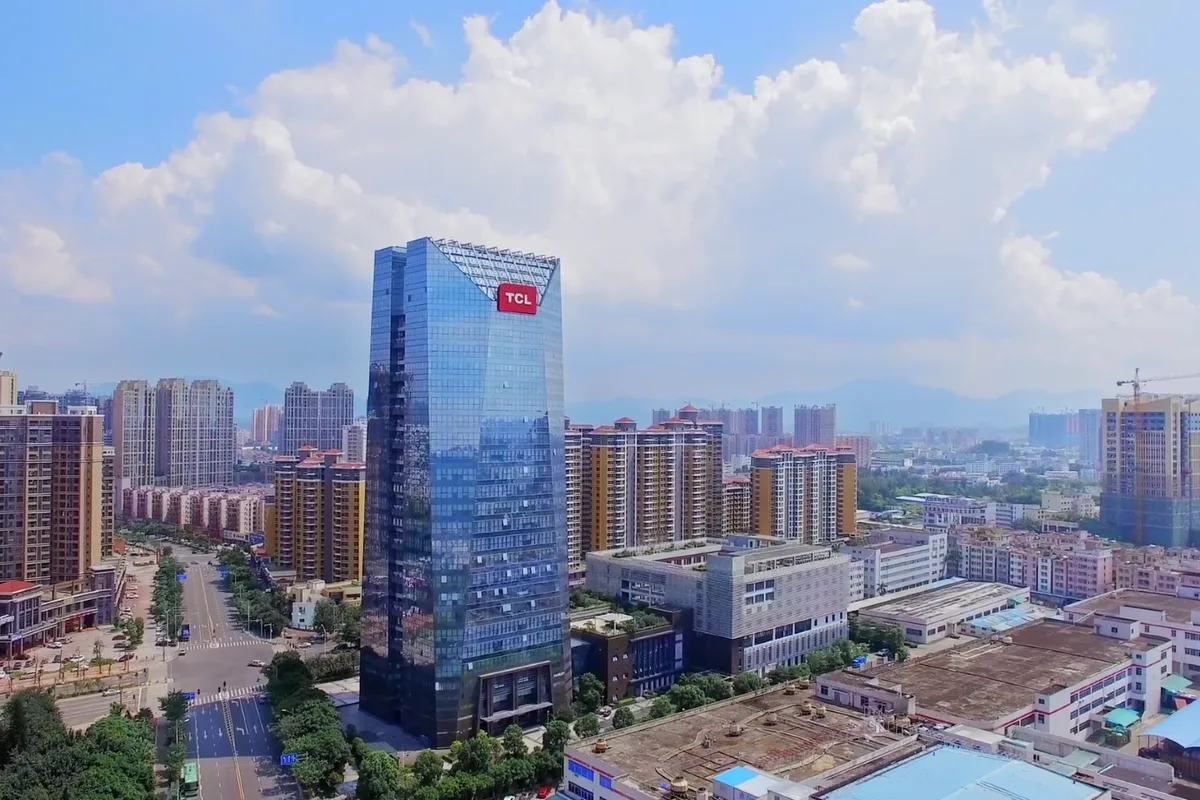
There is a second layer. T.C.L. Industries Holdings (H.K.), TCL Electronics' immediate controlling shareholder, separately promised Sony that it would cover any excess if the contractual put price rises above the cap.
That excess payment does not have to be reimbursed by the listed TCL Electronics group and is not secured against its assets. The arrangement leaves Sony with protection against an unusually high valuation while ring-fencing TTE's direct obligation at ¥100 billion.
Selling down also changes who controls the board
The governance provisions make the long-term mechanics visible. If Sony has exercised the second tranche and its ownership falls to 20% or less, TCL's side gains the right to appoint four of BRAVIA Inc.'s five directors. Sony appoints one.
Before that threshold, the planned board structure gives TTE Corporation three appointments and Sony two, alongside separately defined executive nomination rights.
None of this means Sony has announced an intention to leave BRAVIA Inc. TCL's filing describes the put as a customary minority-shareholder protection and says both parties currently intend to operate the company jointly for the long term.
The exercise clock also starts from closing. BRAVIA Inc. is currently expected to begin operations in April 2027, subject to regulatory approvals and the other closing conditions.