

The summer finished about 26% ahead of 2025
Reuters puts May-through-August ticket sales at approximately $4.6 billion, up 26% year over year. Associated Press, citing Comscore, reports $4.61 billion and a 26.1% increase.
AP describes it as the strongest summer box office since 2013.
That distinction matters. Recent theatrical comparisons have often sounded impressive mainly because the baseline was distorted by pandemic closures, delayed productions or the 2023 labor strikes. 2026 is beginning to clear older, healthier benchmarks.
The biggest movies were very big
Spider-Man: Brand New Day, The Odyssey and Toy Story 5 formed the obvious commercial backbone of the season.
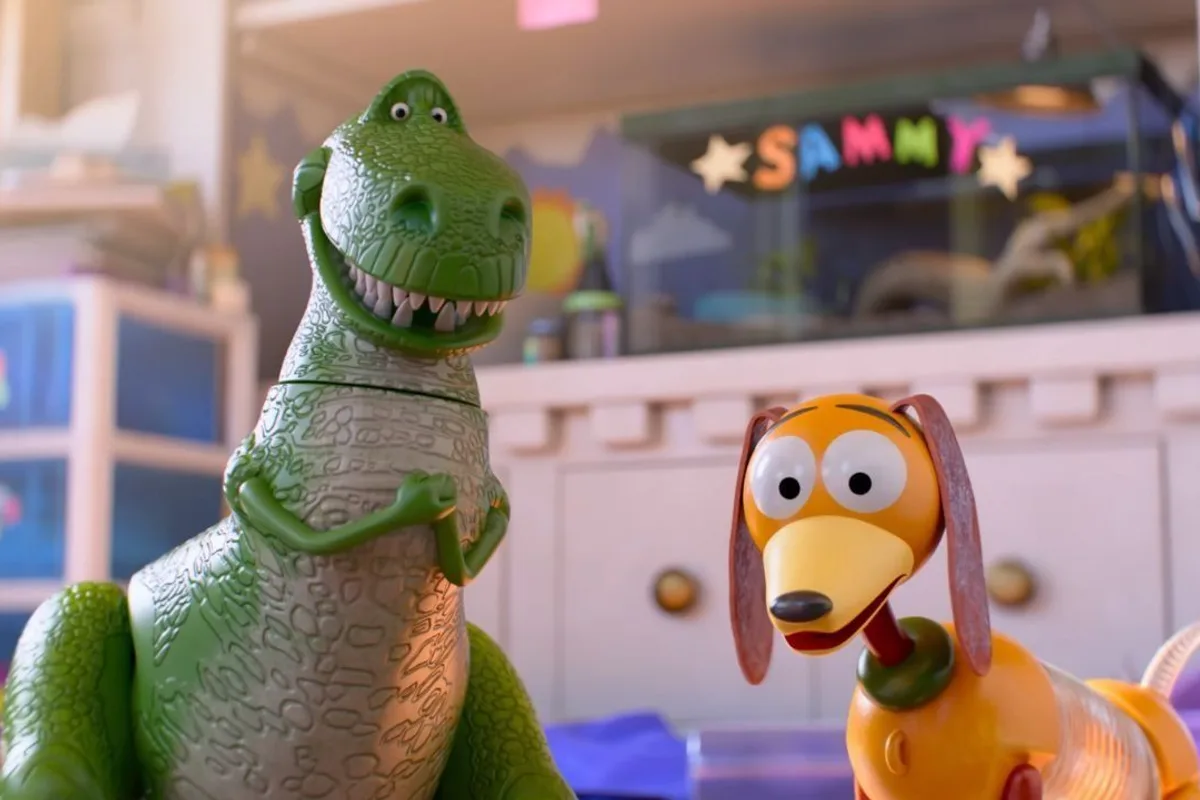
Disney reported a $160 million domestic opening for Toy Story 5 and $312 million worldwide in its first weekend. Spider-Man became one of the year's defining mass-market releases, while Christopher Nolan turned The Odyssey into both a mainstream blockbuster and a premium-format event.

That combination is useful for exhibitors because the three films did not sell exactly the same experience. Animation, superheroes and a nearly three-hour Homer adaptation can coexist in the same summer without asking precisely the same audience to buy the same ticket.
Gen Z did not stay home and wait for streaming
One of the clearest demographic shifts highlighted by Reuters and AP is younger attendance. Moviegoers aged 14 to 29 have become a major part of the theatrical rebound.
That group turned up for established franchises, but also horror and filmmaker-driven releases. Backrooms and Obsession are particularly useful examples because their success cannot be explained simply by decades of franchise familiarity.
For studios, younger viewers returning frequently is more valuable than one enormous opening weekend. It suggests the habit of going to theaters itself still has room to grow.
Women helped broaden the audience instead of merely adding to it
Reuters also points to stronger participation from female moviegoers, with titles including The Devil Wears Prada 2 helping the summer reach beyond the action-heavy demographic assumptions that have shaped many blockbuster calendars.
A broader audience changes programming. Theaters are less dependent on finding four different versions of the same young-male franchise hit to keep auditoriums occupied.
IMAX had the kind of summer it can build a business case around
The Odyssey became the clearest demonstration of premium-format demand.
IMAX reported a $52 million global opening for the film, representing 20% of its worldwide debut. By August 10, The Odyssey had already generated $289 million in IMAX alone and become the format's highest-grossing release at that point.
Nolan's film was the first full-length theatrical release shot entirely with IMAX film cameras. Its 70mm engagements also created something streaming cannot replicate with a simple day-and-date content drop: scarcity.
People planned around specific screens and showtimes.
Hollywood is still releasing fewer wide films than it used to
The recovery is not complete. AP counted 34 wide releases during summer 2026 compared with 44 in 2019.
That leaves exhibitors with a familiar problem. Strong tentpoles can generate enormous weekends, but fewer movies mean more opportunities for empty screens between them.
The fact that 2026 still reached $4.61 billion with that smaller supply makes the result stronger, while also showing where additional growth could come from if the release pipeline fully recovers.
Not every franchise came along for the ride
A rising market did not guarantee success. Supergirl, for example, struggled badly despite belonging to the newly connected DCU and receiving a major summer release.
That makes the season more interesting than a simple franchise comeback. Audiences showed up in large numbers, but they were selective about which familiar brands deserved the trip.
At the same time, original or less conventional projects such as The Odyssey and breakout horror releases gave theaters revenue outside the safest franchise lanes.
A $10 billion domestic year is back on the table
Analysts cited by Reuters now believe the full 2026 domestic box office could exceed $10 billion, something the market has not managed since 2019.
The calendar still has major December releases including Avengers: Doomsday and Dune: Part Three.
For now, the summer has answered the simpler question. People still want to go to movie theaters. Hollywood just has to give them enough reasons to do it.