
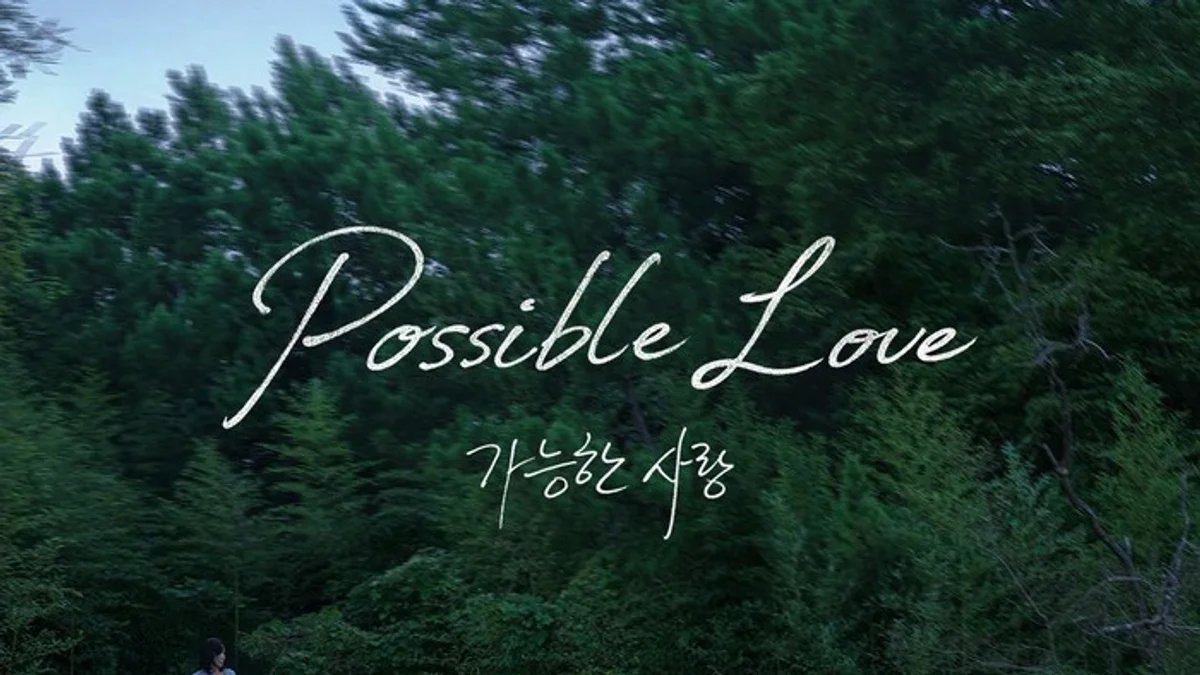
For another filmmaker, eight years away might invite a reassuring comeback. Lee Chang-dong has instead returned with a 164-minute drama built around unemployment, class, documentary ethics, desire and an episode of Korean labour history he once decided was too painful to fictionalise.
The real event dates back to 2009, when mass layoffs and a violent crackdown on striking workers became a major social trauma in South Korea. Lee considered responding to it through fiction, but hesitated after seeing how powerfully the experience had already been captured in documentary form.
He eventually returned to the idea in 2024 with Burning co-writer Oh Jung-mi. Possible Love does not recreate the labour conflict as a conventional historical drama. It begins with what remains after it.
A camera brings two very different marriages together
Jeon Do-yeon plays Mi-ok, whose husband Ho-seok, played by Sul Kyung-gu, lost his job during the upheaval. Their life is materially modest and still shaped by the aftereffects of what happened.
Cho Yeo-jeong's Ye-ji occupies a very different position. She is an affluent documentary filmmaker working on a project about laid-off workers, married to Zo In-sung's Sang-woo. Filming brings the two couples into the same orbit.
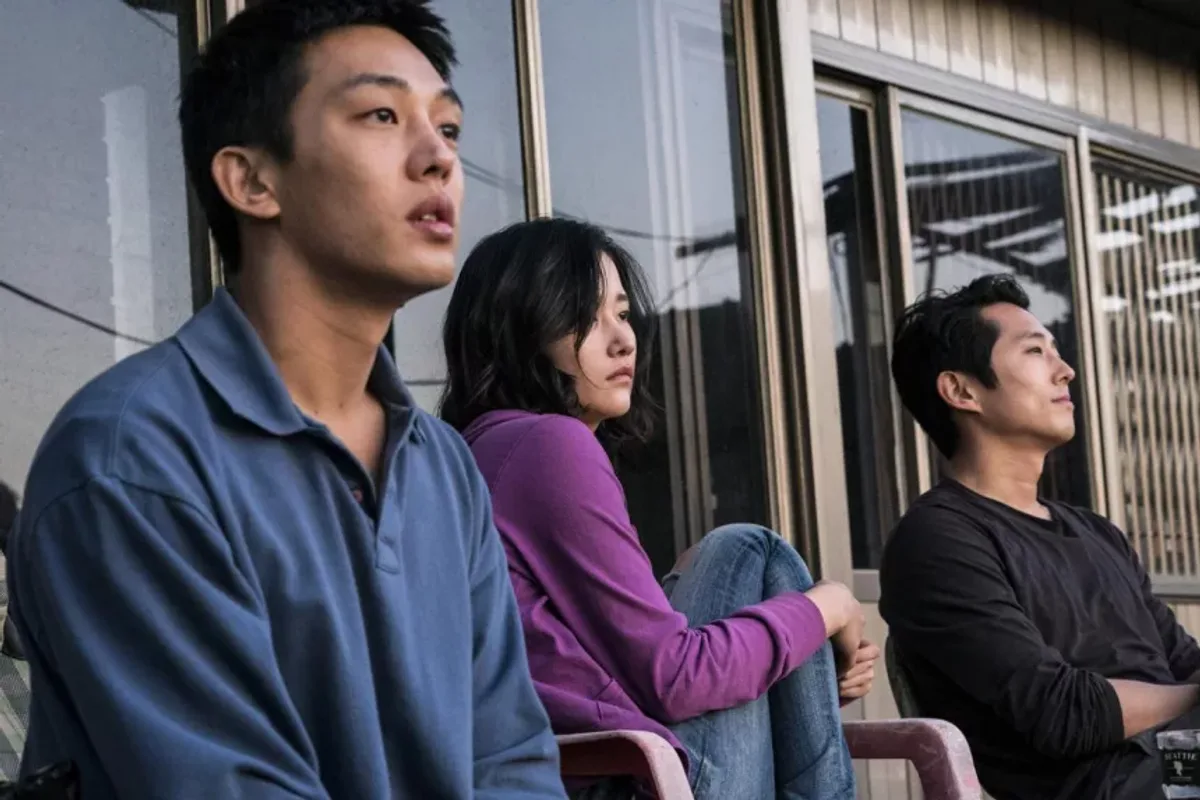
From there, the camera becomes more than a narrative device. Ye-ji wants access to other people's trauma because she believes it deserves to be recorded. The closer she gets, the harder it becomes to separate compassion, curiosity, attraction and exploitation.
Politics without turning the characters into arguments
That tension is central to the response coming out of Venice. Possible Love is unmistakably about class and labour, yet its characters are not arranged as convenient representatives of correct and incorrect positions.
The wealthier couple can care sincerely and still move through a world protected by money. The working-class couple can carry genuine trauma without becoming symbols whose only purpose is to prove the film's politics.
It is familiar Lee Chang-dong territory in that sense. Poetry, Secret Sunshine and Burning all found uncomfortable spaces between social structures and private behaviour. Possible Love appears less interested in resolving those contradictions than watching the four characters live inside them.
Jeon Do-yeon and Lee Chang-dong meet again
Possible Love also reunites Lee with actors tied to some of the strongest films in his career. Jeon Do-yeon won Best Actress at Cannes for Secret Sunshine in 2007. Sul Kyung-gu worked with Lee on Peppermint Candy and Oasis.
Zo In-sung and Cho Yeo-jeong are newcomers to Lee's films, creating a four-person ensemble built around performers usually capable of carrying projects on their own.
Netflix is distributing the film globally, although the release is not streaming-only. Possible Love opens theatrically in South Korea on September 23, followed by releases in several major international markets on October 23. Netflix launches it worldwide on November 6.
South Korea has already made its Oscar choice
Before the Venice premiere, the Korean Film Council selected Possible Love as South Korea's submission for Best International Feature Film at the 99th Academy Awards.
The film is also moving through an unusually dense festival route, with Venice followed by Toronto, New York, San Sebastián, Zurich, Vancouver and other events.
Lee hardly needs festival credentials added to his résumé. Oasis won him Venice's Silver Lion for directing in 2002. Poetry took the screenplay prize at Cannes. Burning competed for the Palme d'Or in 2018.
What makes this particular return more interesting is the distance between those dates. Twenty-four years have passed since Lee last competed in Venice. Eight since his last feature. He came back to a story he once decided not to make.
Apparently the wound had not become old enough to ignore.