
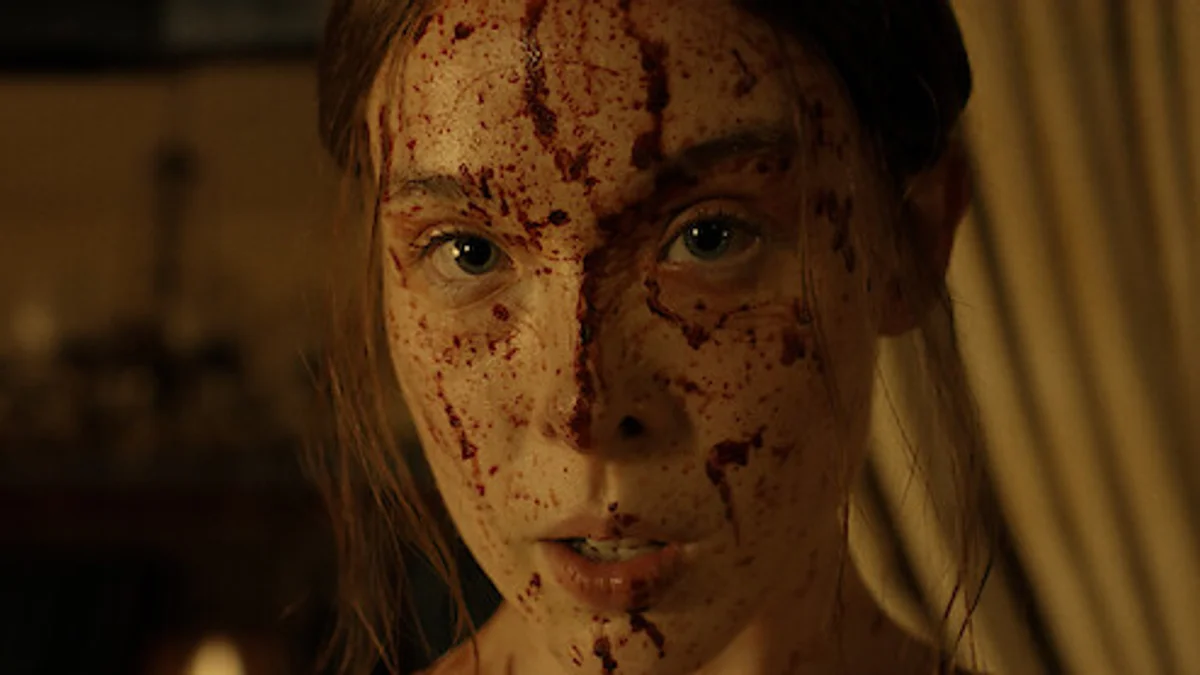
Monster: The Lizzie Borden Story begins streaming on Netflix on September 17. The eight-episode season is the fourth installment of Ryan Murphy and Ian Brennan's anthology and the first to build its central “Monster” around a woman.
Beatty plays Lizzie Borden, who was accused of killing her father Andrew and stepmother Abby with an axe in Fall River, Massachusetts, in 1892. The historical Borden was acquitted at trial the following year, and the murders officially remain unsolved.
Monster is not treating that uncertainty as a neutral space
The distinction matters because the series is dramatizing a theory rather than presenting a newly established historical conclusion. Netflix describes its Lizzie as a repressed daughter trapped inside a cruel Victorian household whose fantasies of sex, power and revenge eventually collide with murder.
The trailer makes that interpretation explicit. Its central question is not simply who killed Andrew and Abby Borden. It is interested in what might push this fictionalized version of Lizzie toward violence and how that violence allows her to escape the limits imposed on her.
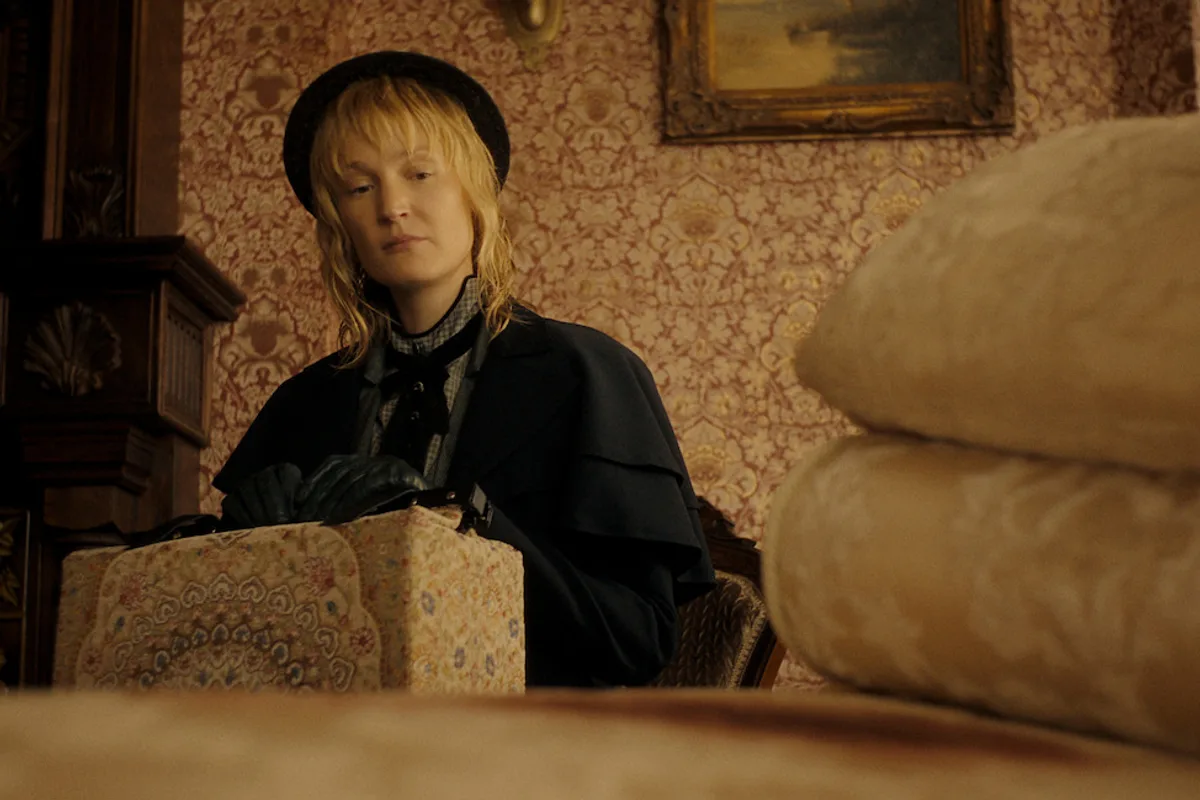
Vicky Krieps plays Bridget “Maggie” Sullivan, the Borden family's live-in maid. Charlie Hunnam is Andrew Borden, Rebecca Hall plays Abby, Billie Lourd appears as Lizzie's older sister Emma, and Jessica Barden plays actor Nance O'Neil.
The season is asking how its monster gets made
Beatty has described the story as an exploration of female rage and repression. That fits the larger Monster structure, which repeatedly uses notorious criminal figures as a starting point for psychological reconstruction.
Borden makes that approach more complicated because her guilt was never established in court. Any definitive interior portrait therefore requires the drama to move beyond what history can prove.
That uncertainty is not a flaw hidden at the edge of the season. It is one of the spaces in which Murphy and Brennan build their version of Lizzie.
Sarah Paulson's Aileen Wuornos arrives decades outside the Borden timeline
Sarah Paulson plays Aileen Wuornos, a choice that deliberately pushes the story far beyond 1892. Wuornos had no direct historical connection to Borden and was born more than six decades after the murders.
The series uses her thematically instead. Scenes set much later depict Wuornos as responding to Lizzie's cultural legacy, giving Monster a way to connect two radically different cases through its broader interest in female violence and the stories societies construct around it.
It is not presented as a literal meeting of historical figures. It is Monster building its own lineage.
Charlie Hunnam goes straight from Ed Gein to Lizzie's father
Hunnam's casting creates another unusual bit of continuity. He led the previous installment as Ed Gein and immediately returns as Andrew Borden, making the anthology feel increasingly comfortable reusing actors in entirely different historical roles.
Paulson brings an even longer history with Murphy's television work, while Max Winkler and Sarah Adina Smith are among the directors working on the new season. Brennan also serves as a writer.
Lizzie Borden was already a pop-culture character long before Monster
This case has been dramatized repeatedly. Christina Ricci played Borden in Lizzie Borden Took an Ax and The Lizzie Borden Chronicles, while Chloë Sevigny starred opposite Kristen Stewart in the 2018 film Lizzie.
Monster is therefore not excavating an obscure crime. It is taking one of America's most persistent murder legends and filtering it through an anthology already built around the collision between documented history, cultural mythology and psychological speculation.
History left Lizzie Borden acquitted. Monster has chosen a considerably less ambiguous version of the story.