
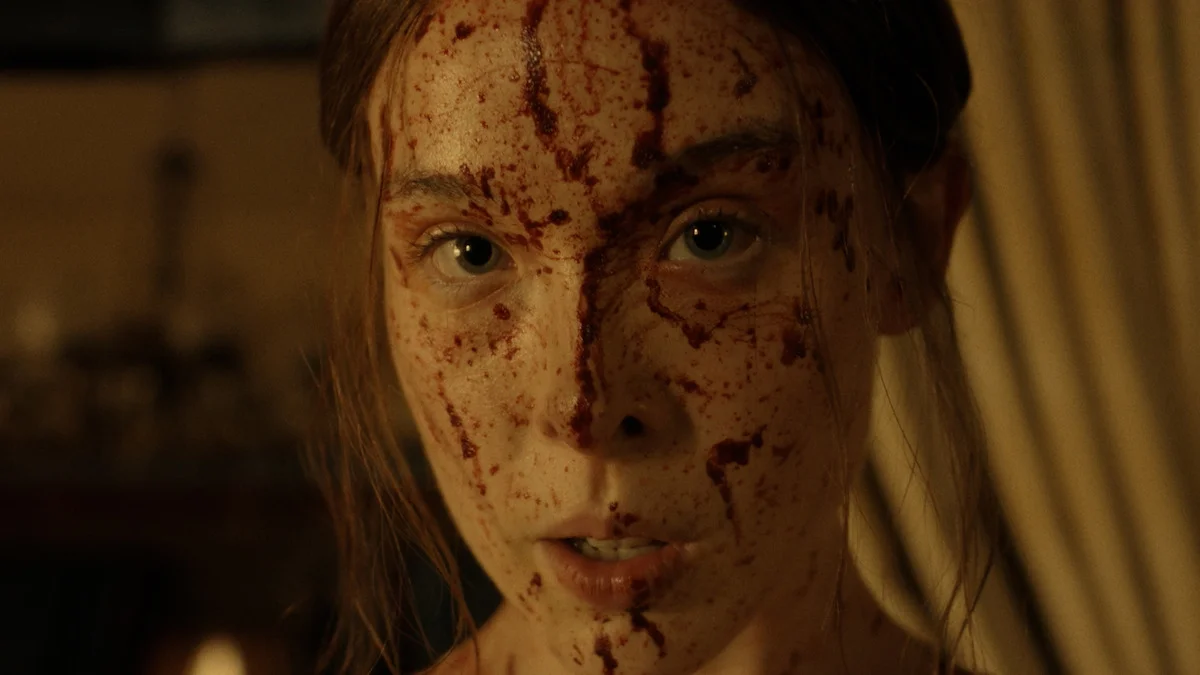
Netflix released its global viewing data for the week of September 14–20 on September 22.
Monster: The Lizzie Borden Story leads the English-language TV list with 12.1 million views.
The eight-episode season only premiered on September 17, meaning its first chart appearance covers the opening days of availability rather than a complete seven-day run.
Monster remains built for fast debuts
The number places the fourth installment close to the immediate performance of its predecessor.
Netflix says Monster: The Ed Gein Story drew 12.2 million views in its first three days.
Those measurement windows are not identical, so the figures should not be treated as a clean head-to-head opening record.
They do show how consistently the anthology can attract an initial audience despite replacing its period, characters and cast every season.
Ella Beatty is the anthology's first female Monster lead
The most obvious structural change is the person at the center.
Beatty plays Lizzie Borden, the Fall River woman accused of murdering her father Andrew and stepmother Abby with an axe in 1892.
Borden was tried and acquitted in 1893. The killings remain officially unresolved and have become one of the most persistent legends in American crime history.
After three installments focused primarily on men, The Lizzie Borden Story is Monster's first season organized around a female accused killer.
The series is openly dramatizing rather than solving the case
Ryan Murphy and Ian Brennan do not approach the season as a neutral courtroom reconstruction.
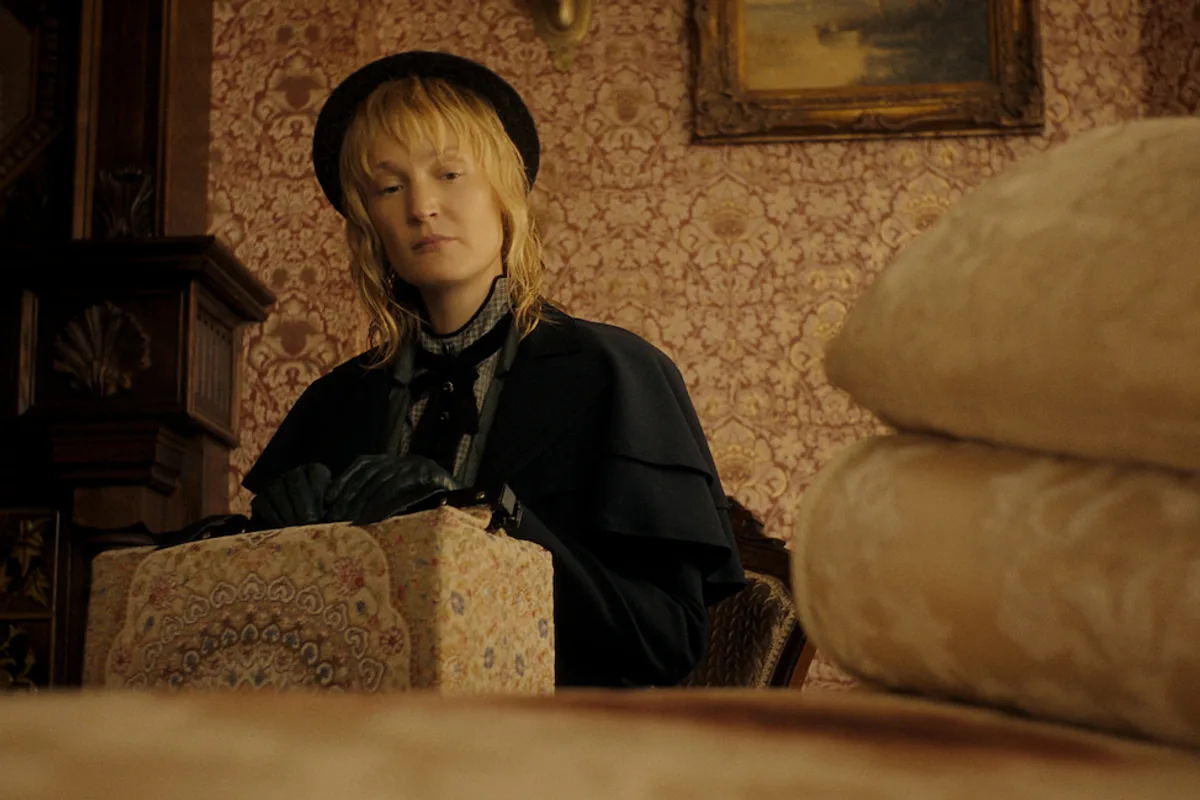
Their story imagines Lizzie as a young woman trapped inside an oppressive Victorian household and builds an intimate relationship between her and live-in maid Bridget “Maggie” Sullivan, played by Vicky Krieps.
There is no established historical evidence that the two women were lovers or criminal partners.
Netflix's own true-story material distinguishes the known details of the Borden case from several major inventions used by the drama.
The cast mixes new faces with familiar Murphy collaborators
Krieps stars opposite Beatty as Bridget Sullivan.
Charlie Hunnam plays Andrew Borden immediately after leading the previous Monster installment as Ed Gein. Rebecca Hall is Abby Borden, Billie Lourd plays Emma Borden and Jessica Barden appears as stage actor Nance O'Neil.
Sarah Paulson also enters the season as Aileen Wuornos.
The show uses Wuornos to construct a thematic lineage around female violence and public mythology. There is no documented historical connection showing the real Wuornos was meaningfully shaped by the Borden case.
Lizzie Borden takes the franchise much further back in time
Dahmer, the Menendez brothers and Ed Gein all allowed Monster to operate largely within recognizable modern America.
The new season travels back to the 1890s, replacing late-20th-century media culture with Victorian domestic rules, period institutions and a murder case that became famous decades before television existed.
That changes the visual vocabulary of the series without changing its underlying business question: can another infamous name provide a fresh entry point into the same anthology brand?
A 12.1 million-view debut is an encouraging first answer for Netflix.
Borden was already folklore long before Netflix arrived
The case has a particular cultural advantage.
Lizzie Borden escaped the boundaries of legal history long ago, becoming the subject of rhymes, books, films, television projects and competing theories.
Her acquittal also leaves writers with a form of uncertainty that a case like Dahmer's does not provide.
The series can construct one interpretation of events without credibly claiming that history itself settled the question.
Monster has become a repeatable label rather than one breakout miniseries
The anthology's development has gradually made the title more important than any continuing character.
DAHMER — Monster: The Jeffrey Dahmer Story remains one of Netflix's biggest English-language series ever.
The Menendez and Ed Gein installments then demonstrated that viewers would return without narrative continuity or the original lead actor.
Lizzie Borden tests the formula even further with a different century, a female central figure and a markedly different period aesthetic.
12.1 million views only measures the beginning
A first-week No. 1 position does not tell Netflix how long the season will remain culturally or commercially durable.
The next chart cycles will show whether The Lizzie Borden Story holds its audience, grows through conversation or falls sharply after the initial curiosity.
For now, the anthology has cleared its first test: moving to a 134-year-old murder mystery did not prevent Monster from finding another large opening audience.
Monster: The Lizzie Borden Story is streaming now on Netflix in eight episodes.