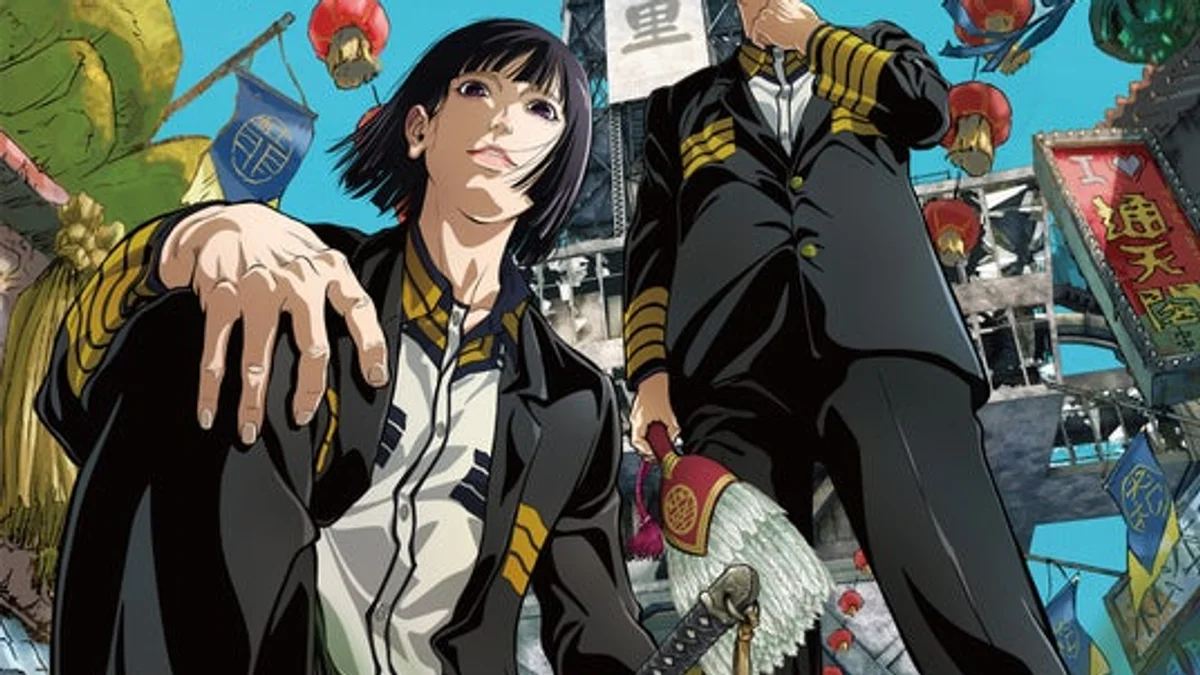
Prime Video's September 3 lineup event delivered a very straightforward piece of news: NIPPON SANGOKU: The Three Nations of the Crimson Sun is continuing.
The wording matters. The production committee has announced a sequel, not formally labelled it Season 2. No episode count, broadcast window or format has been revealed.
The footage does offer one useful glimpse of what comes next. After revisiting events from the first season, it reveals an older Aoteru Misumi once again committing himself to the peaceful era he wants to create.
The manga went from one million copies to two million
That happened extraordinarily quickly. Ikka Matsuki's original manga had passed one million copies in circulation around the time the anime began streaming in April. Twin Engine now says it exceeded two million only one month later.
For a manga that was respected but hardly operating at the commercial scale of Japan's largest franchises, doubling its circulation after the adaptation arrived is an unusually visible demonstration of the anime effect.
Prime Video also saw results on its own side. Amazon MGM Studios co-produced the series, and the production says Nippon Sangoku recorded the highest domestic viewer count among new anime series that premiered on Prime Video in April during their first month. It also entered Prime Video's global Top 10.
Its hero wins arguments before he wins wars
Nippon Sangoku is set after nuclear conflict, natural disasters and disastrous government have reduced Japanese civilisation and fractured the country into three competing states.
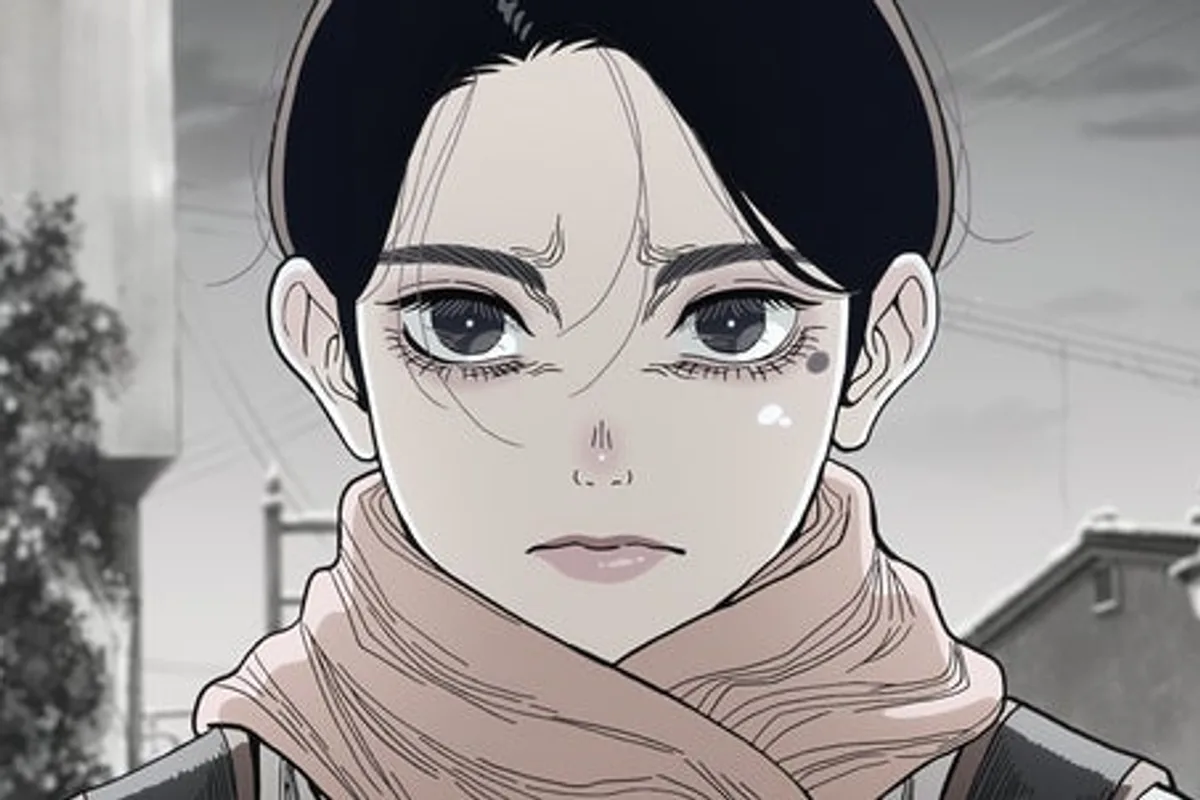
Aoteru begins as an obscure agricultural official. His objective is enormous — reunifying Japan — but the story does not give him a magical shortcut. Knowledge, memory and extraordinary rhetorical ability are the tools that allow him to climb.
The title's Three Kingdoms influence is deliberate. The series takes the shape of a future historical chronicle, full of armies and territorial conflict but just as interested in bureaucrats, political legitimacy, competing institutions and the people who gradually turn into historical figures.
Twelve episodes were never going to finish this particular war
The first season ran through spring 2026 and ended after 12 episodes with the conflict involving Yamato and Seii reaching a decisive point.
That is still far from the reunified Japan promised by the premise. The sequel announcement makes the scale of the adaptation clearer: Studio Kafka did not spend its first season racing toward an artificial stopping point just in case nothing else was ordered.
Matsuki described the continuation by comparing the first series to a quietly lit spark that will eventually become a fire large enough to scorch an era. Dramatic language, admittedly, but unusually appropriate for this story.
The production team has not been reconfirmed yet
Kazuaki Terasawa directed the first season at Studio Kafka. Teruko Utsumi handled series composition, Takahiko Abiru served as character designer and chief animation director, and Kevin Penkin composed the score.
The sequel announcement has not yet confirmed whether the full staff will return. It has not announced its cast again either, although the first season featured Kensho Ono as Aoteru alongside Jun Fukuyama, Asami Seto, Kazuhiro Yamaji and Yuichi Nakamura.
Keeping the announcement this limited is probably sensible. Production has begun; a release window can wait until the people making it know what they can actually deliver.
The bigger victory may be what happened off screen
Nippon Sangoku was not an unknown manga before 2026. It had received multiple Next Manga Award nominations and performed strongly in major Japanese manga rankings.
The anime changed the scale rather than creating interest from nothing. A manga that had been building gradually since 2021 suddenly added roughly another million copies to its circulation after the television adaptation arrived.
The new anime has no date and no confirmed format yet.
Its second campaign, however, has already begun.