
Publisher and platform remain part of the same plan
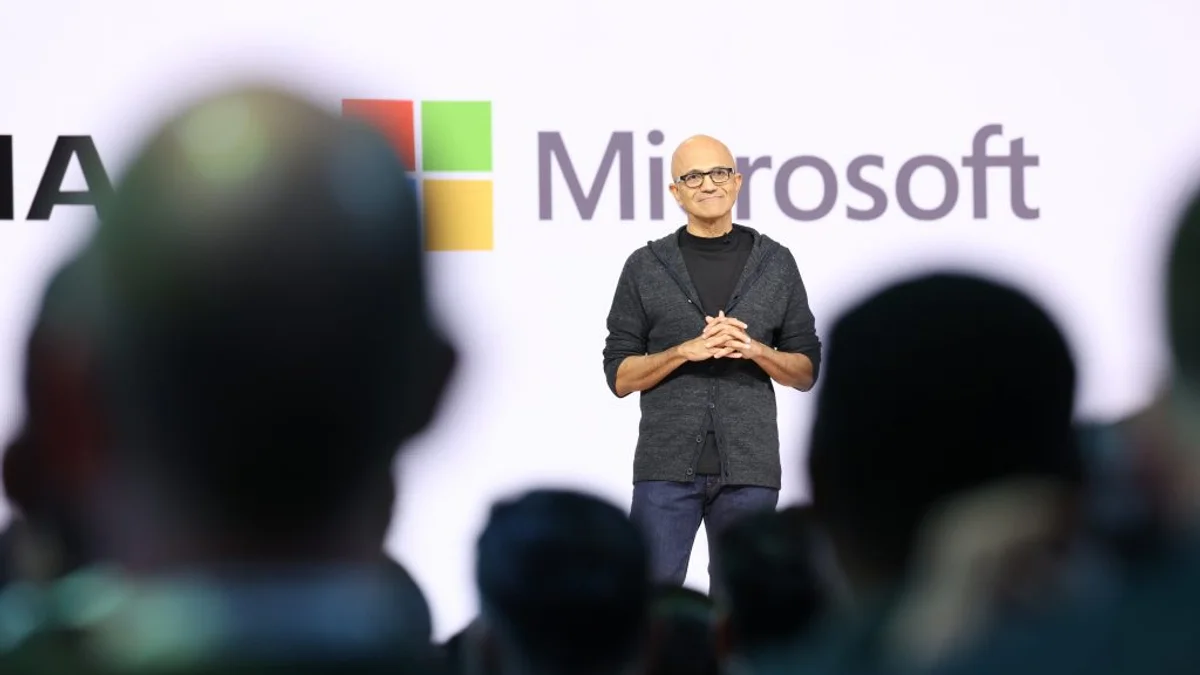
Speaking on Alex Heath's Sources podcast, Nadella said Microsoft's gaming goal is to be a strong publisher and a strong platform provider across PCs and Xbox consoles. The comment matters because it keeps both sides of the business inside the same strategy rather than treating wider game distribution as evidence that Microsoft plans to abandon its own platform.
Xbox had already described a similar direction in April. Its published strategy positioned console as a foundation while expanding the broader Xbox experience across PC, mobile and cloud. The company also shifted its stated north star toward daily active players rather than defining success purely through console hardware.
Nadella's new wording does not add another product category to that plan. It reinforces the commercial problem behind it: Microsoft wants a model that can distribute games to more people while keeping both publishing and platform economics viable.
The IP portfolio is the part Nadella sounds least worried about
Nadella says he feels highly confident about Microsoft's studios, franchises and their ability to produce future games. That echoes his July earnings remarks, when he similarly pointed to Xbox's IP and studio base while outlining the case for a return to growth.
The scale is obvious after years of acquisitions. Xbox now encompasses Microsoft's established gaming operations alongside Bethesda and Activision Blizzard. The less settled question is how those assets are organized, funded and distributed.
The restructuring is still happening in real time
Only three days before the podcast episode was published, Xbox announced another 268 role eliminations across Halo Studios, other first-party teams, Xbox Game Studios management and central functions.
Xbox said the actions taken since July, including studio divestitures, had brought it roughly three-quarters of the way through its previously announced restructuring. In the podcast, Nadella described the streamlining being led by Xbox CEO Asha Sharma as “great to see.”
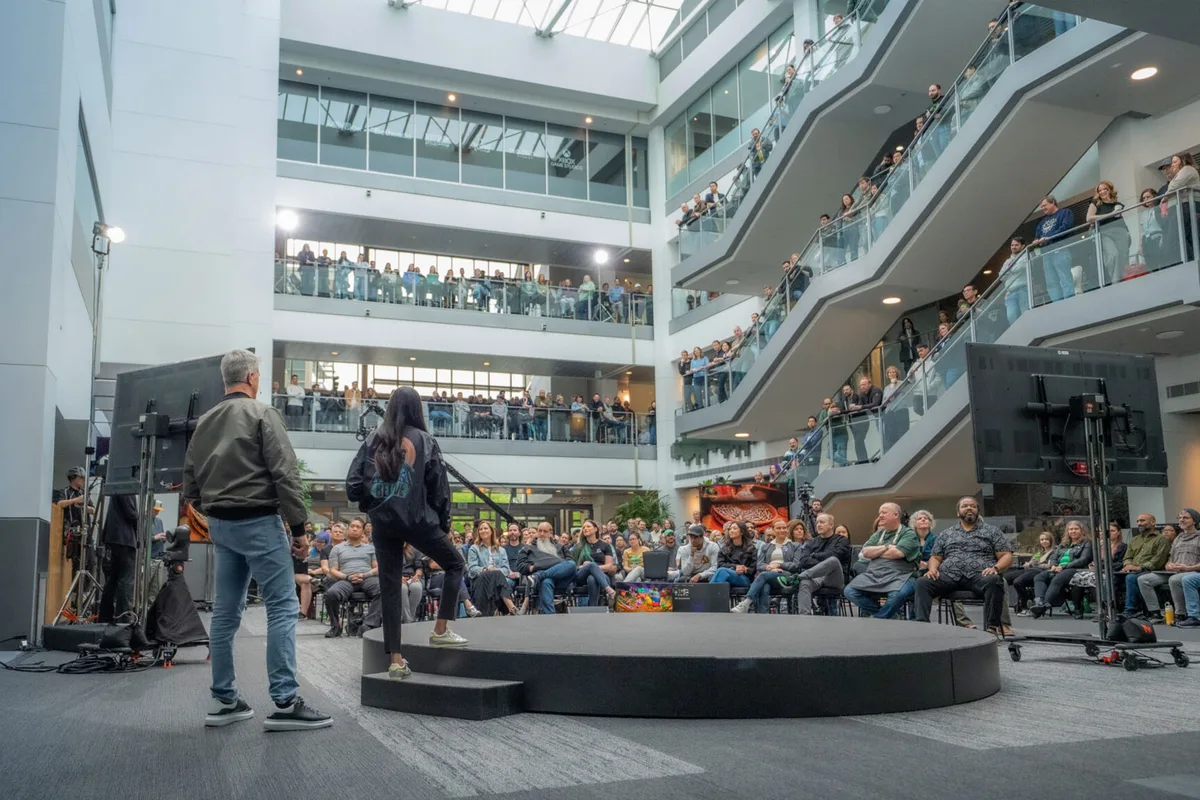
The reset is also redrawing reporting lines. Activision is expanding its remit to include World’s Edge and Rare, and a new Activision-based team is set to develop the next Halo game. Bethesda's remit now includes Obsidian, King is taking in Microsoft Casual Games, and Playground Games and Turn 10 are being combined around Forza and Fable.
Undead Labs has meanwhile completed its transition back to independence after similar moves involving Compulsion Games and Double Fine. Xbox says two potential Ninja Theory agreements fell through and consultation has begun around a proposed closure, while consultation regarding Arkane remains ongoing.
FY2027 gives the strategy a financial test
The growth target Nadella referenced was already public. Microsoft said in July that it expected the Xbox business to return to growth during fiscal 2027.
Its latest completed fiscal quarter explains why that target exists. For the quarter ending June 30, Microsoft reported Xbox revenue down 10% year over year. Xbox content and services revenue also fell 10%, while operating income declined 14%.
At the time, Nadella said Microsoft was making changes across content, platform and operations to reset the business for long-term growth. The September interview keeps the same basic framework intact: strong IP, fewer organizational layers, a sustainable model and a business expected to grow again.
What remains missing is the economic detail
The gaming portion of the interview does not announce a console, change Game Pass pricing or set a new exclusivity policy. Nadella also does not explain how much of the future business is expected to come from first-party publishing, subscriptions, PC distribution or Xbox hardware.
What he does make explicit is that Microsoft still sees value in owning both sides. Xbox is meant to sell and publish games broadly while remaining a platform in its own right.
That makes the next phase easier to measure, even if it is not yet easier to execute. Microsoft has attached the strategy to an FY2027 return-to-growth target while the organizational reset that is supposed to help deliver it is still underway.