

Bethesda Game Studios spent much of the last decade operating with an unusually visible dependency chain. Starfield had to move before The Elder Scrolls VI could become the main project. Fallout 5 sat behind Elder Scrolls VI. A huge game effectively blocked the next franchise from receiving the studio's full attention.
The studio's July roadmap does not eliminate that model, but it does build several lanes around it.
Elder Scrolls VI still gets the majority of the studio
The Elder Scrolls VI is Bethesda's primary development focus. The company says most of the team is working on it and that developers are already playing it internally every day.
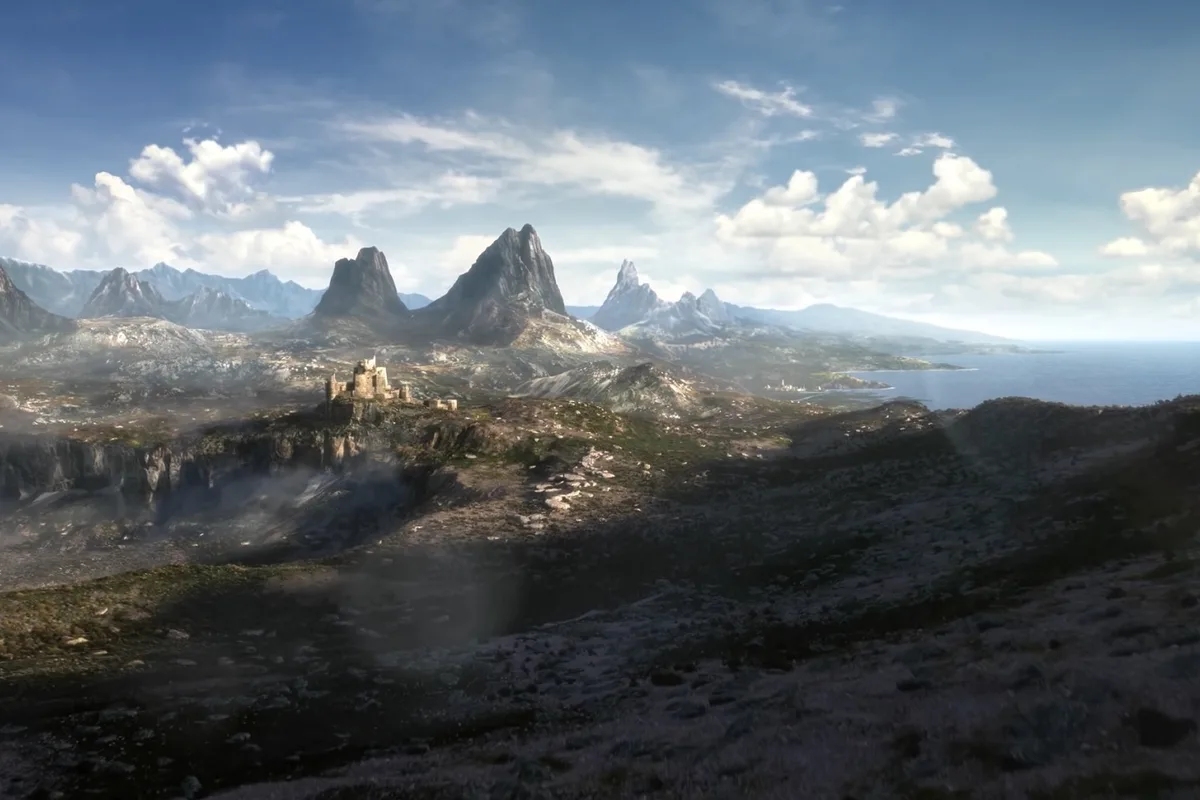
No release window came with that statement. Bethesda is describing production status, not promising an imminent launch. That matters when interpreting everything else the company announced.
Fallout 5 can exist at the same time, but Bethesda currently describes it as a pre-production project rather than another game consuming a comparable share of the organization.
Creation Engine 3 is partly an organizational bet
Both Elder Scrolls VI and Fallout 5 are being developed on Creation Engine 3. Bethesda says it has been building the technology since Starfield launched, adding new tools, rendering work and systems for its next generation of RPGs.
The more consequential claim is that the platform is designed to support multiple projects simultaneously. A common technology base can reduce some of the cost of starting a second project while the first remains in full production.
That does not remove the enormous staffing requirements of a Bethesda RPG. It does create a path for Fallout 5's pre-production work to progress without waiting for every Elder Scrolls developer to become available.
Fallout is being managed as a portfolio rather than a sequel
Bethesda calls Fallout one of its biggest priorities while also labeling Fallout 5 a long-range destination. The gap between those statements is now filled by several products.
Fallout 3 and Fallout: New Vegas remasters are in development without release dates. Fallout 76 has another major expansion, Raven Rock, planned for 2027. Fallout Shelter is continuing with new Seasons. Obsidian is developing another Fallout project in collaboration with Bethesda.
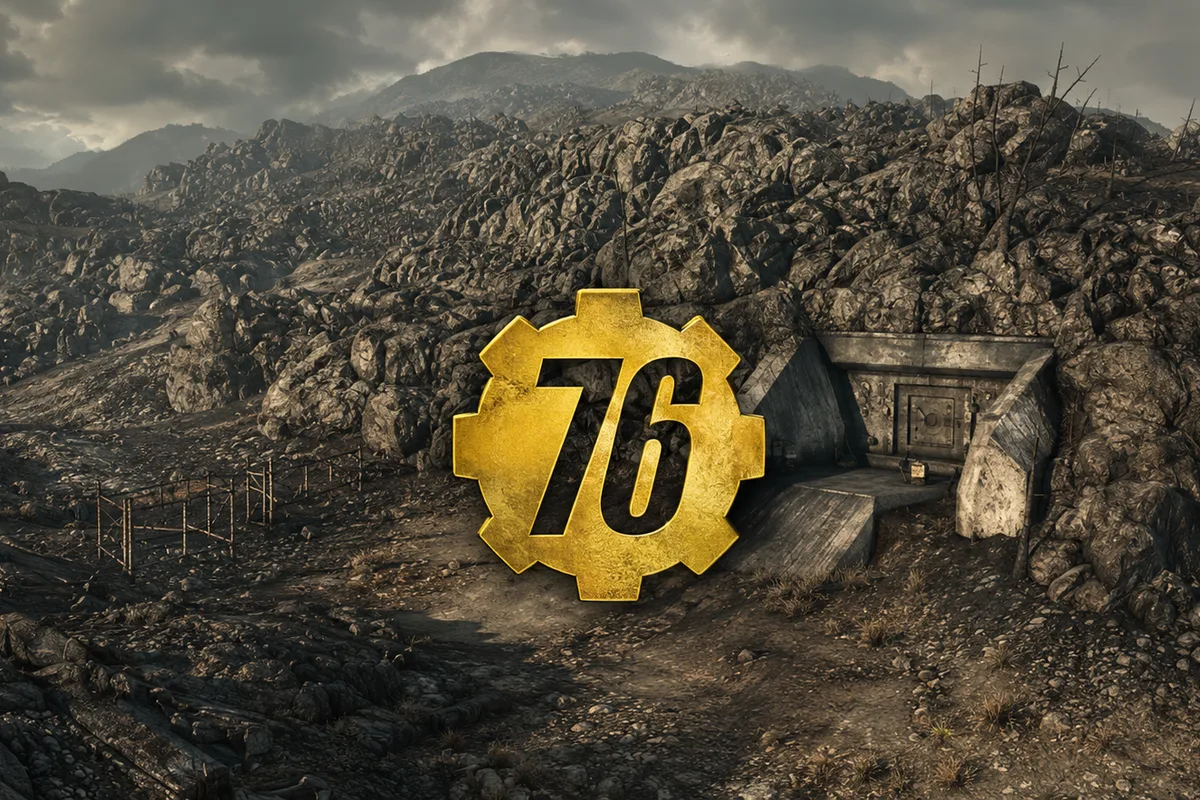
The commercial logic is straightforward. A live game, catalog remasters and an externally developed project can keep Fallout active while the main Bethesda RPG team remains occupied elsewhere.
Obsidian's involvement is particularly significant because it expands the amount of Fallout development that can happen outside Bethesda Game Studios itself. Bethesda has not announced a title, setting or release target, so attaching the New Vegas 2 label to the project would still be speculation.
Starfield is being converted from launch project to ongoing platform
Starfield is another example of the shift. The game no longer needs the majority of Bethesda's RPG team to remain commercially active.
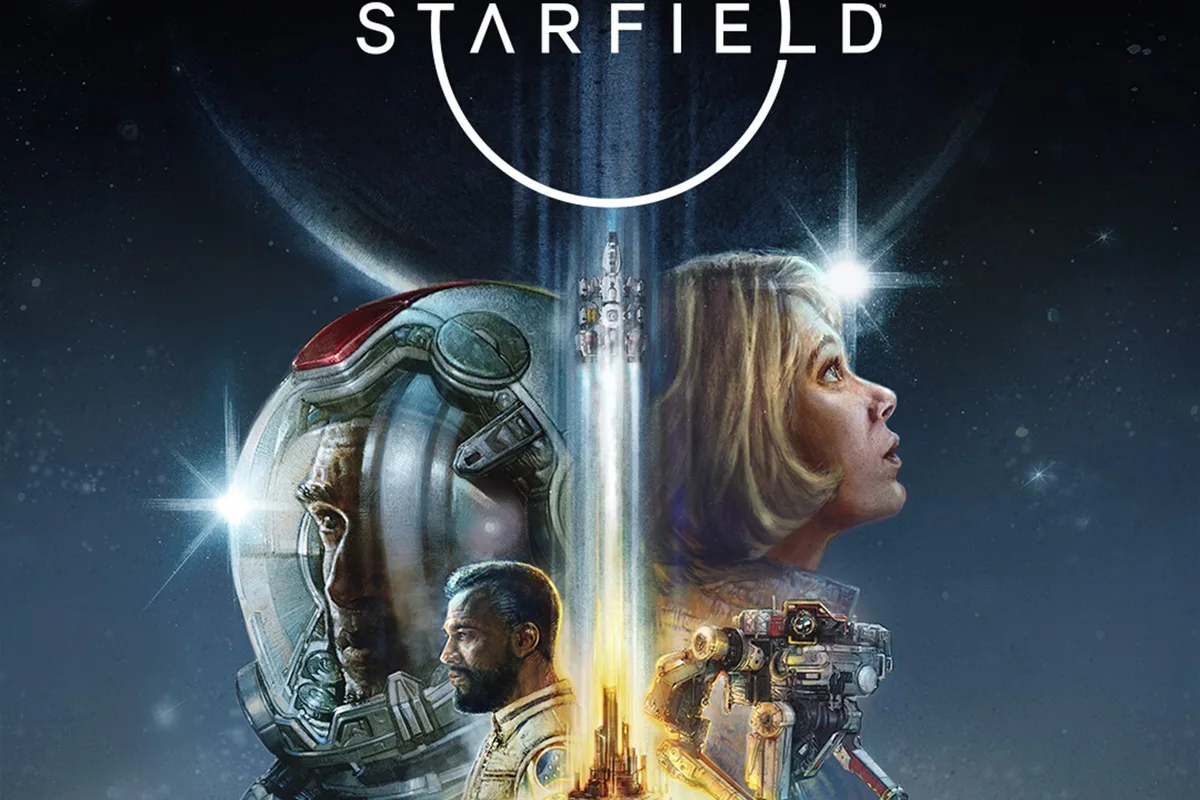
Bethesda says Starfield will receive more stories, targeted gameplay improvements and additional updates, with new Starborn content planned for 2027. Its PlayStation 5 release in April also expanded the addressable audience beyond the game's original Xbox and PC footprint.
The company reported more than 17 million players and almost one billion hours played by July. Those are player figures rather than unit sales, but they reinforce Bethesda's stated intention to keep investing in the IP.
Creations are becoming part of the same long-tail strategy. Bethesda says more than 40% of Starfield players customize the game through Creations, while Skyrim and Fallout 4 are also part of the ecosystem. Creator royalties have exceeded $10 million according to the studio.
Elder Scrolls is becoming a more shared franchise operation
Bethesda also says ZeniMax Online Studios will work more closely with Bethesda Game Studios around The Elder Scrolls franchise while continuing to operate The Elder Scrolls Online.
That should not be rewritten as a claim that ZeniMax Online is co-developing Elder Scrolls VI; Bethesda did not announce that. What it did announce is closer alignment between teams that have spent years operating different branches of the same universe.
It fits the wider pattern: shared technology, outside development partners, live-service teams and franchise collaboration surrounding a core group still building enormous single-player RPGs.
Parallel projects are not the same thing as faster games
The obvious danger is to read the longer project list as a shorter release schedule. Bethesda has not given dates for Elder Scrolls VI, Fallout 5, either Fallout remaster or Obsidian's project.
The roadmap changes something else first. A franchise no longer has to disappear completely because another Bethesda RPG occupies the main production floor.
Elder Scrolls VI remains the dominant internal project. Fallout 5 is being prepared behind it. Fallout has multiple additional teams and products. Starfield and Fallout 76 continue as supported worlds. Creation Engine 3 is meant to give those future productions more common infrastructure.
Bethesda has therefore identified the industrial problem that defined much of its previous decade: extraordinary games with extraordinary gaps between them. The new structure is an attempt to reduce those gaps without abandoning the scale that created them.