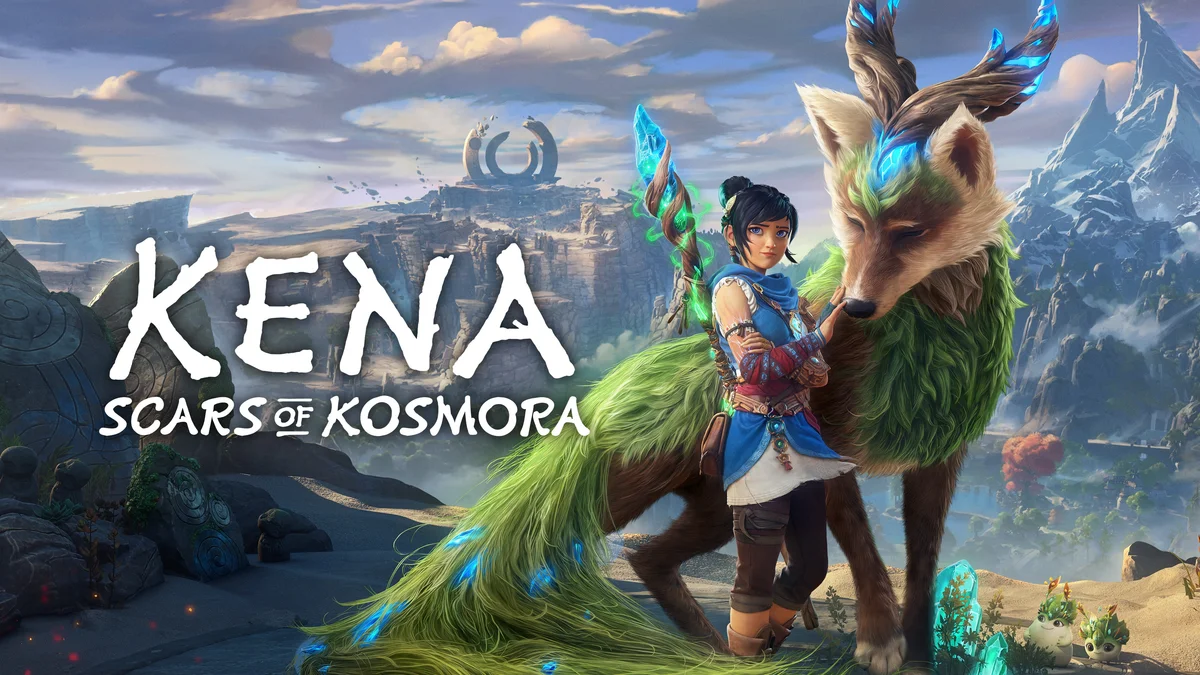
At first glance, Kena: Bridge of Spirits belonged to the tradition of enchanting fantasy adventures. Its lush forests, adorable spirit creatures and expressive characters seemed closer to an animated fantasy film than a story about painful emotions.
Beneath that appearance, however, Ember Lab's first game explored a world shaped by loss. Its heroine helped spirits unable to release their regrets, confronting memories, grief and suffering beneath the beautiful environments.
The sequel intends to push that idea in a more personal direction.
On October 1, 2026, Ember Lab confirmed that Kena: Scars of Kosmora, originally planned for this year, will instead launch in 2027. The studio accompanied the announcement with a detailed look at the next game's narrative and world.
The change matters for PlayStation's release calendar, but the story revelations are equally significant.
When the Healer Must Examine Her Own Pain
Kena has grown since the events of Bridge of Spirits.
She is now an experienced Spirit Guide, accustomed to fighting the manifestations of corruption that emerge when the dead cannot find peace.
That responsibility has given her considerable knowledge. It has also encouraged her to devote most of her attention to the problems of others.
According to Ember Lab, Kena is beginning to recognize that she has neglected her own emotional wounds. Understanding the suffering of the dead has not taught her everything about helping the living.
The contrast gives Scars of Kosmora a compelling direction. The first game primarily explored the regrets and memories of other characters. The sequel appears ready to turn that reflection toward its central heroine.
The challenge is no longer simply repairing what is broken around her, but understanding why her own pain has persisted.
Orfio Connects Kena to Her Earlier Life
The adventure begins with a journey to Kosmora, a mysterious island that may hold the answers Kena needs.
Her childhood friend Orfio plays a decisive role. He believes the island contains clues about her past and her future as a Spirit Guide.
That detail is revealing. Instead of immediately introducing a new kingdom that needs saving, the story gives Kena a deeply personal motivation.
She travels somewhere unfamiliar because a person who knew her before she became a renowned spiritual healer suggests a path forward.
Orfio therefore provides a connection to a period of Kena's life that the original game left largely unexplored.
Ember Lab has not revealed all the answers awaiting her. The mysterious affliction she has endured since childhood remains a particularly important unanswered question.
Four Cultures and a Forgotten Catastrophe
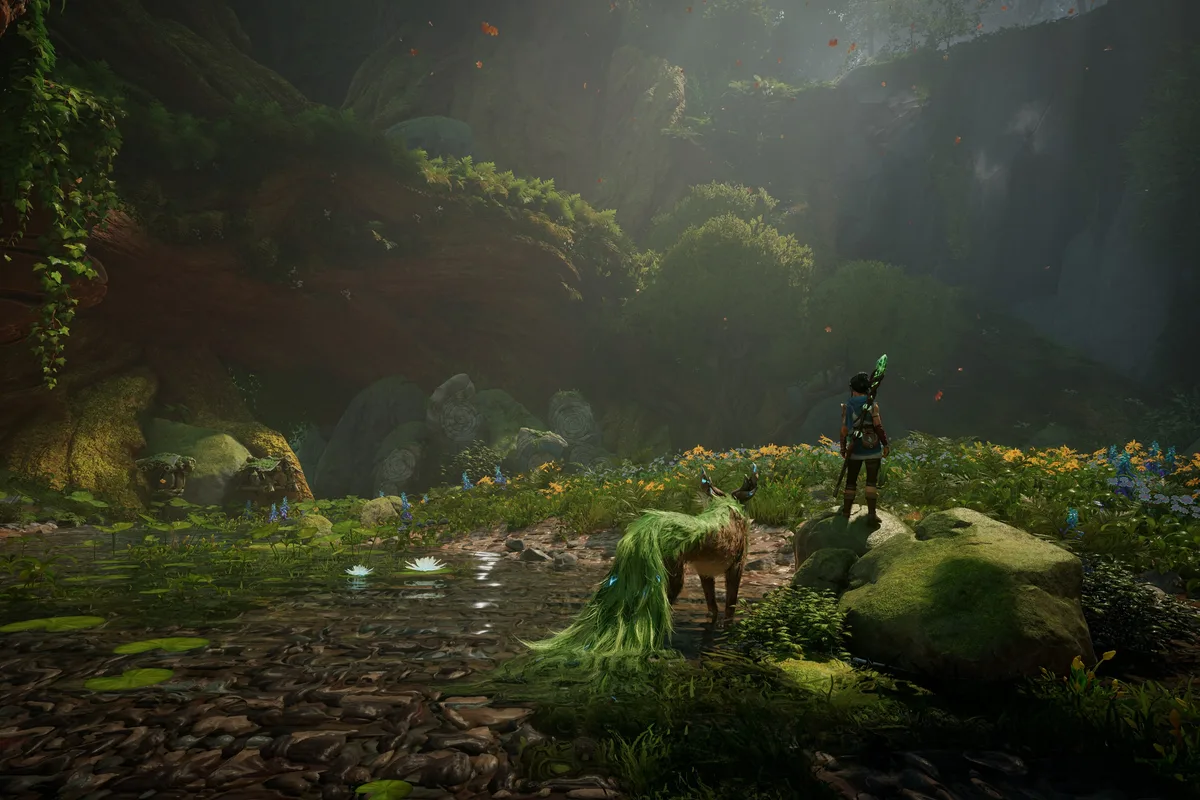
Kosmora has a history of its own.
The island once supported four closely connected cultures. Each drew part of its identity from one of the elements, which served as a spiritual and social foundation.
A cataclysm destroyed one of those civilizations. The others survived, but much of the knowledge that once connected them faded over generations.
That history gives the setting more complexity than a straightforward struggle between a heroine and an evil force.
Kosmora's inhabitants live with consequences of a past they no longer fully understand. Traditions remain, but their meaning has changed over time.
Kena will encounter multiple communities, learn about their differences and discover how the ancient catastrophe continues to shape their lives.
The idea recalls a theme from the first game: unresolved suffering can pass from one generation to another, even when those who inherit it do not understand where it began.
Temples Preserve a Lost Spiritual Tradition
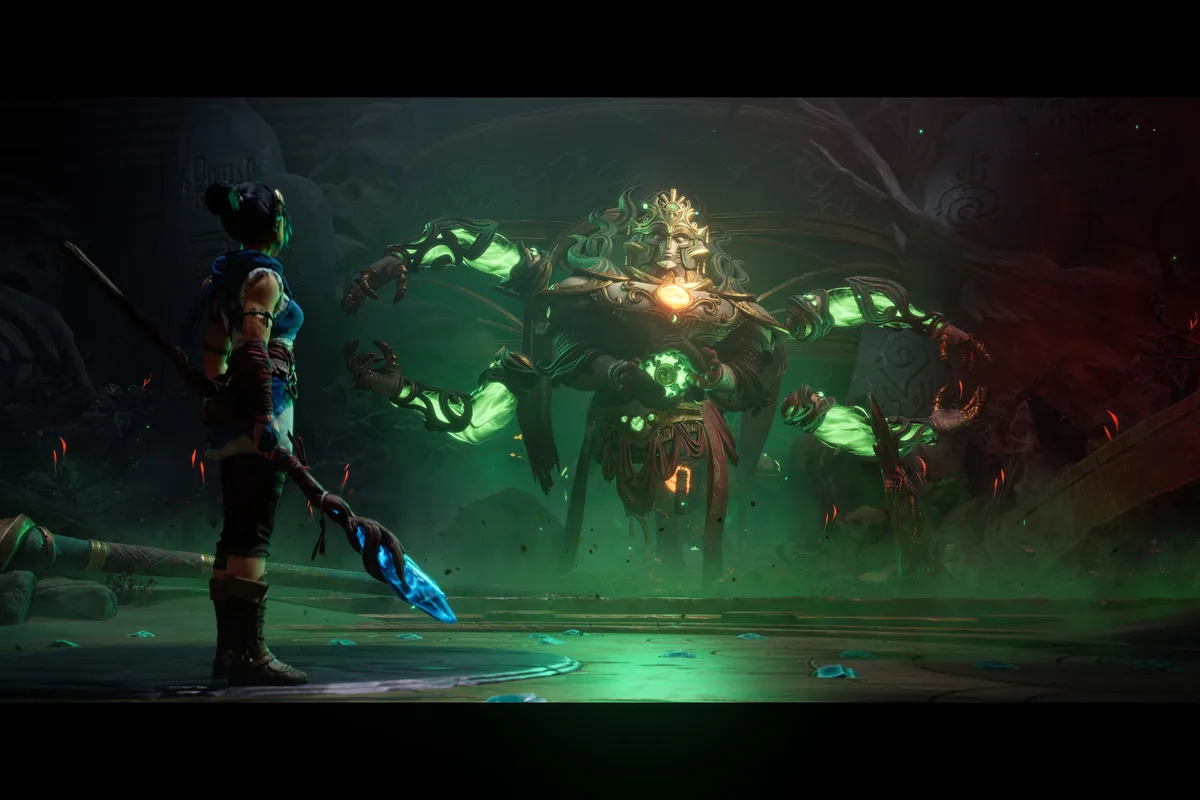
Alchemystic Temples occupy a central place in the island's history.
Ember Lab explains that they are linked to an ancient form of Spirit Guiding based on the manipulation of four elemental forces.
These structures are more than combat arenas or locations filled with puzzles. They preserve traces of knowledge that has gradually disappeared.
Exploring them will reward players with abilities that transform Kena's progression. Within the story, they also offer a way to understand what once connected Kosmora's civilizations.
That relationship between progression and memory fits the series particularly well. Discovering a new power can also reveal something meaningful about the world itself.
A Companion That Belongs to the Story
Kena's new companion immediately stands out.
A large crystalline canine creature accompanies the heroine and allows her to travel through Kosmora's regions more quickly.
Its function extends well beyond transportation.
Ember Lab confirms that it can assist during combat and help solve Alchemystic puzzles. The studio also says the creature is directly connected to the island's mysterious origins.
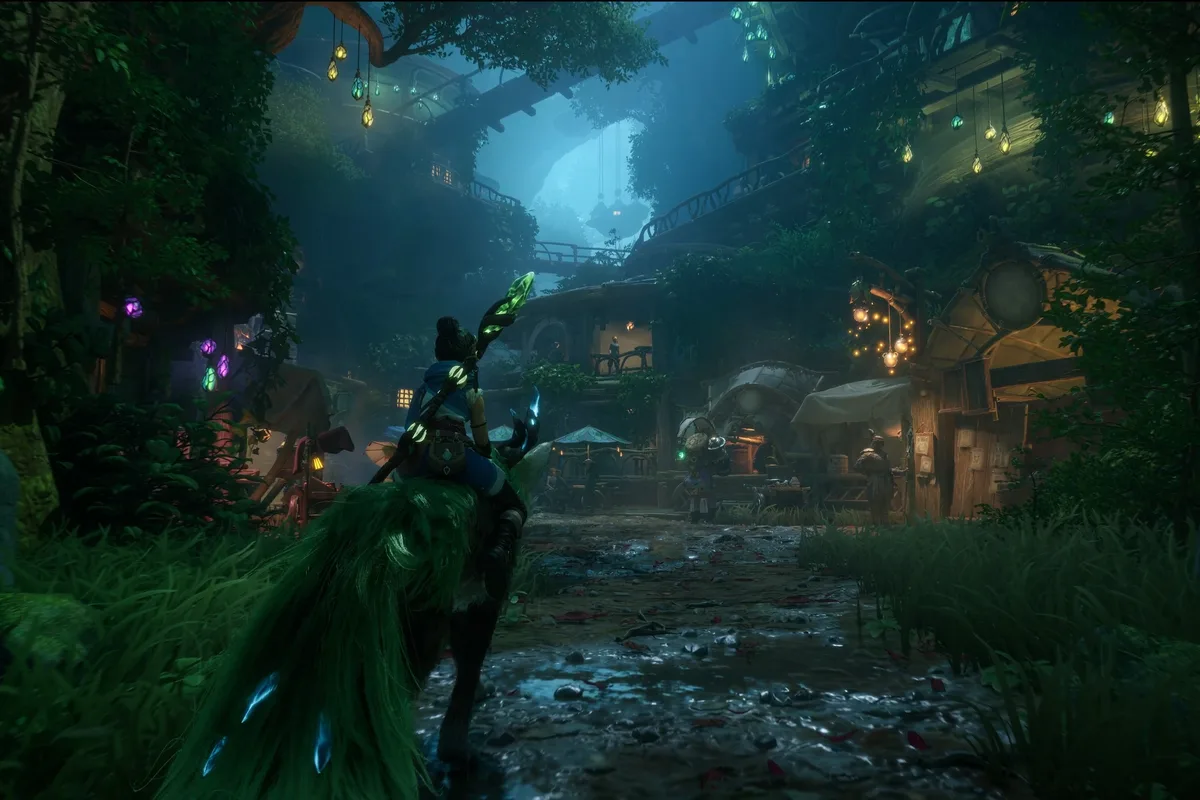
The companion may therefore become a meeting point between the practical needs of the adventure and its narrative mysteries.
The details of that connection remain unknown. Even so, its presence suggests that Ember Lab wants its fantasy creatures to participate in the story rather than merely decorate the world.
Fantasy as a Language for Grief
Part of Kena's appeal comes from the contrast between its gentle visual presentation and the emotions beneath it.
Its characters have expressive silhouettes, its environments are rich in color, and its spirit companions can resemble creatures from a fairy tale.
Yet the corruption threatening those landscapes emerges from darker feelings: regret, suffering and the inability to accept loss.
That combination gives the franchise a distinctive personality. Rather than simply opposing bright goodness and dark evil, it uses fantasy imagery to represent emotional wounds.
Scars of Kosmora appears ready to place this dimension closer to the center of its narrative, because Kena herself becomes someone in need of healing.
A Larger Game That Remains Character-Focused
Ember Lab promises an experience substantially larger than Bridge of Spirits. Kosmora will offer more expansive regions, additional cultures and deeper exploration.
Nevertheless, the studio has not announced a transition to a fully open world.
Its creators continue to describe Scars of Kosmora as a linear, character-focused adventure. This distinction matters: expanding the world does not necessarily require weakening the narrative.
The more interesting question is whether these additional environments give the characters and cultures enough room to develop.
Finding that balance may be essential to the sequel's ability to build on its predecessor.
The 2027 Delay Is a Promise Yet to Be Fulfilled
Ember Lab says it needs more time to polish this larger experience.
No precise launch date has been announced. The game is currently planned for 2027 on PlayStation 5 and PC.
It would be premature to conclude that additional development time will necessarily produce a better game. A delay explains the studio's intentions, not the final quality of a work that remains in production.
What the October 1 update does establish is the sequel's clearer narrative ambition.
Where Kena: Bridge of Spirits explored the wounds of other people, Scars of Kosmora also wants to examine those its heroine has carried for years.
Her next journey will therefore be more than geographical. Kena is searching for a part of herself she has never fully understood. And in a world where memories can literally corrupt nature, confronting those personal scars may prove to be the hardest challenge of her life.