
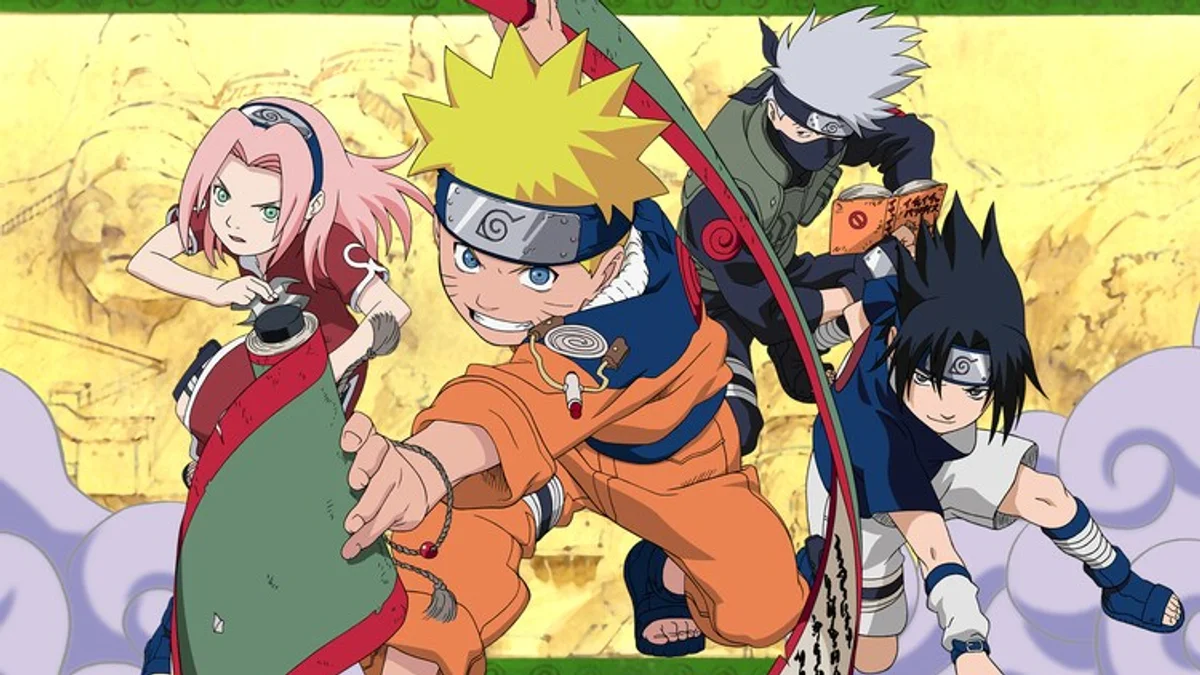
Hollywood has been discussing a live-action Naruto movie for more than a decade. Directors have been attached, development updates have arrived, and fans have repeatedly been left wondering when the project would actually reach production. The latest announcement is more substantial than another creative attachment: Lionsgate has greenlit the film, and Sony Pictures is coming aboard to help pay for it.
Announced on November 3, 2026, the deal gives Sony international distribution responsibilities while Lionsgate retains oversight of development, production and domestic distribution. Destin Daniel Cretton is still set to write, direct and produce the adaptation of Masashi Kishimoto's manga.
The companies are targeting spring 2027 for the start of production. That is a filming window, not a theatrical release date, and the distinction matters for a project with such a lengthy development history.
A Hollywood partnership built for a global audience
Sony did not simply inherit international distribution rights as part of an existing arrangement. Reporting around the agreement describes a competitive process involving several interested studios, with Sony ultimately securing a role in both financing and overseas distribution.
For Lionsgate, the advantage is straightforward: another major studio shares the financial burden while bringing an established international theatrical network. For Sony, the attraction is access to a globally recognizable entertainment property that originated outside Hollywood.
Naruto is particularly well suited to that international ambition. Kishimoto's manga ran from 1999 to 2014 and has reached more than 250 million copies in circulation worldwide, according to figures associated with the franchise. Its animated adaptations, movies, games and merchandise helped turn the Hidden Leaf Village and its characters into recognizable cultural symbols far beyond Japan.
But familiarity cuts both ways. It creates a potential audience before a film even opens, while making creative decisions unusually visible. A live-action adaptation must persuade existing fans that the world and characters remain recognizable without relying exclusively on those fans to understand its story.
Sony Pictures chief Tom Rothman has emphasized the company's belief in the worldwide appeal of manga and anime. Sony's broader involvement in Japanese entertainment, including its ownership of Crunchyroll, provides useful background for the decision, though the newly announced agreement concerns film financing and theatrical distribution rather than a streaming release.
Why Destin Daniel Cretton remains central
The directing choice predates Sony's involvement. Cretton was announced by Lionsgate in February 2024, and his continued attachment provides a degree of continuity to a project that has otherwise experienced an extended development process.
His filmography offers two relevant sides of the assignment. Shang-Chi and the Legend of the Ten Rings demonstrated his experience with large-scale martial arts action, while earlier work such as Short Term 12 established his interest in intimate character relationships. Naruto needs both capabilities.
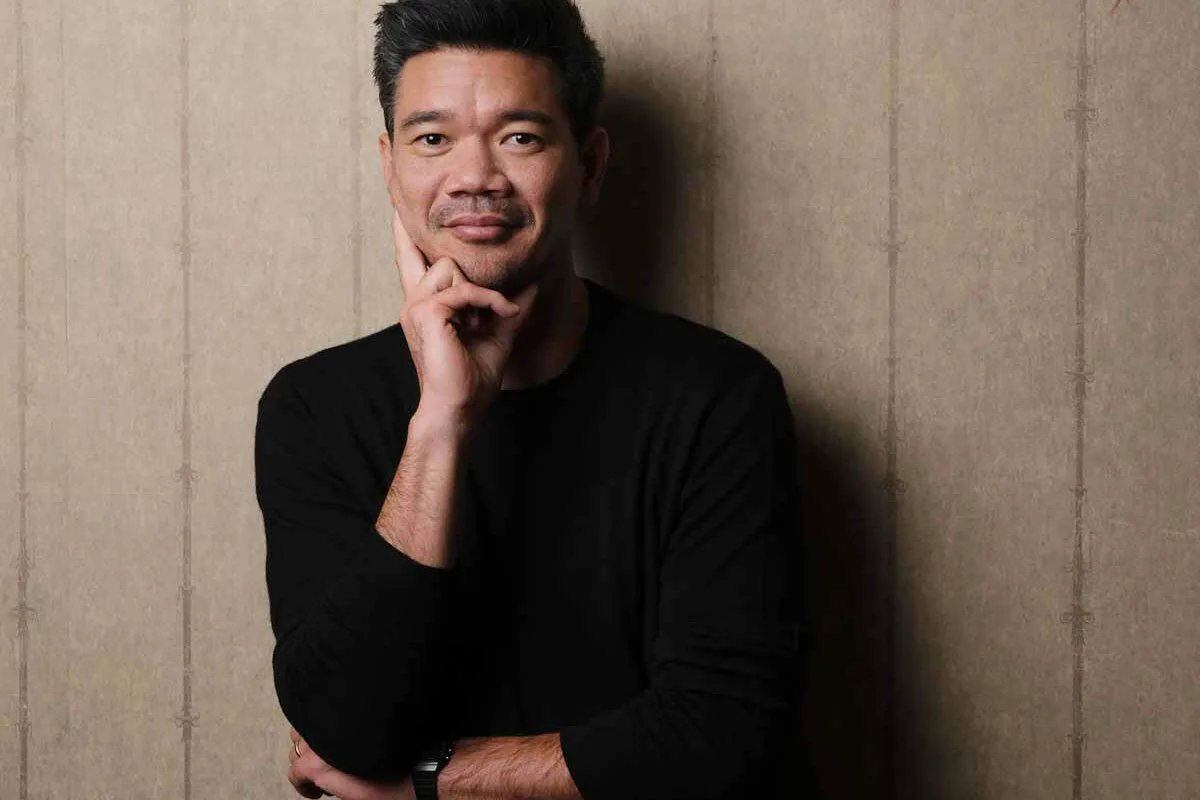
Cretton also comes to the partnership following Spider-Man: Brand New Day, another major franchise production associated with Sony. His return to the studio is therefore not an unfamiliar collaboration, even if Naruto presents a different creative challenge.
Masashi Kishimoto publicly welcomed Cretton's appointment in 2024, highlighting the filmmaker's ability to tell emotionally grounded stories. That endorsement remains significant because the original manga relies on far more than its visual combat language. Naruto's exclusion, his ambition to earn recognition, and the uneasy connections within Team 7 give the narrative much of its emotional identity.
A two-hour film cannot reproduce the manga's extensive progression unchanged. Which storylines to prioritize, how to introduce the characters and what to save for potential future installments are decisions that have not yet been publicly explained.
The cast is still a major unanswered question
The production launched an international casting search for the central Team 7 characters in 2026. Naruto Uzumaki, Sasuke Uchiha and Sakura Haruno are consequently at the heart of one of the adaptation's most important remaining decisions.
Charles Melton was reported to be in advanced negotiations to play Kakashi Hatake in August. His involvement should not be presented as definitively confirmed solely on the basis of those negotiations, and the November partnership announcement does not resolve all the outstanding casting questions.
The producing team includes Avi Arad, Ari Arad and Emmy Yu for Arad Productions, along with Jeremy Latcham. Cretton and Jeyun Munford are involved through Hisako. Lionsgate continues to lead the production operation.
No completed-film footage or confirmed first look at the live-action characters accompanied the new financing announcement. Existing Naruto anime and manga artwork remains useful for identifying the property, but it should not be mistaken for imagery from the forthcoming movie.
The greenlight changes the timetable, not the creative stakes
The Naruto adaptation has been connected to Hollywood since 2015. Its development history illustrates how securing recognizable intellectual property is only one part of bringing an ambitious film into production. Financing, a director, creative development and worldwide distribution all need to align.
The new partnership brings several of those pieces together. Lionsgate is retaining control of production, Sony is taking on a substantial international role, and Cretton has a publicly stated filming target for spring 2027.
What remains unknown is equally important. The studios have not announced a theatrical date or outlined precisely how much of Kishimoto's original story the film will cover. The casting search and the demands of translating the manga's stylized world into live action leave substantial work ahead of the cameras.
For a project that has spent years moving through development, however, the immediate milestone is now clearly identified: production is expected to begin in spring 2027.