
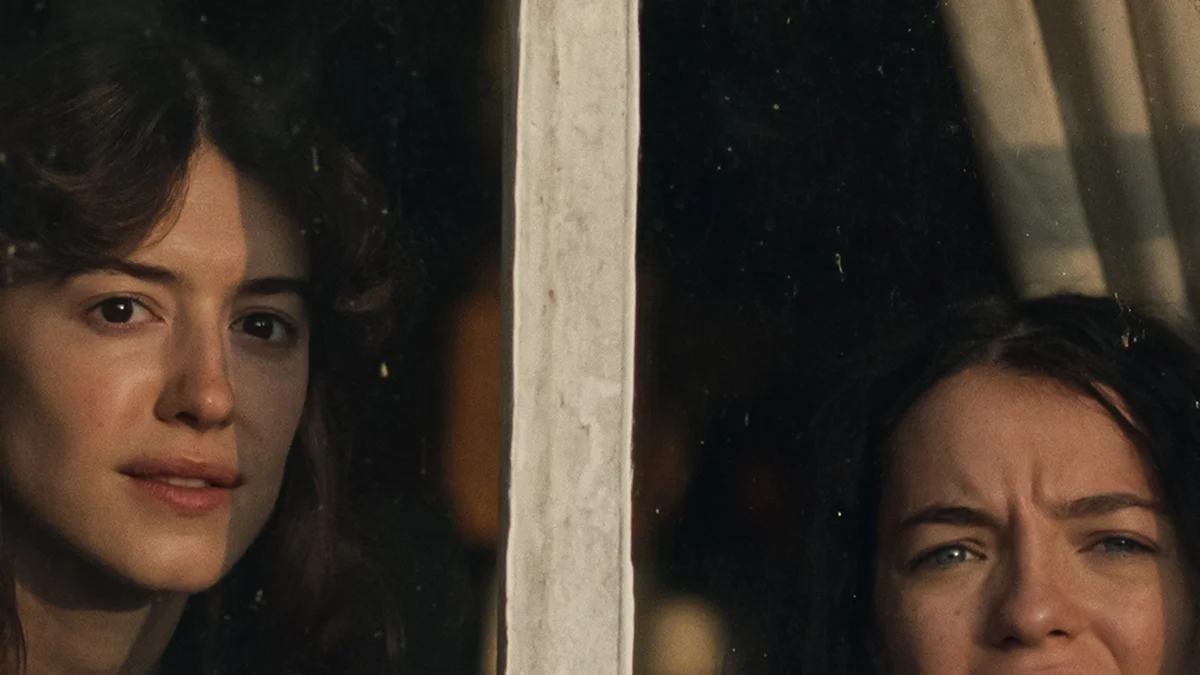
Daisy Edgar-Jones stars as Elinor Dashwood opposite Esmé Creed-Miles as Marianne in the new feature directed by Georgia Oakley. The cast and filmmakers celebrated its London premiere on September 15, ahead of an international rollout beginning later in the month and a current US theatrical date of October 16.
Diana Reid adapted Jane Austen's 1811 novel. The material remains immediately recognizable: the death of Mr. Dashwood leaves his widow and daughters financially vulnerable, forcing them away from Norland Park and into a far more modest life.
For Elinor and Marianne, romance is therefore never separate from money, inheritance or social expectation.
The sisters are not being treated as a lesson with one correct answer
Oakley has described the new film's approach to the sisters as symbiotic. Marianne does not simply need to learn restraint from the sensible Elinor. Elinor also has something to learn from a younger sister who refuses to hide what she feels.
That subtle shift changes the emotional hierarchy. Edward Ferrars, John Willoughby and Colonel Brandon still drive major parts of the story, but the sisters' development is not measured exclusively by which romantic lessons they absorb.
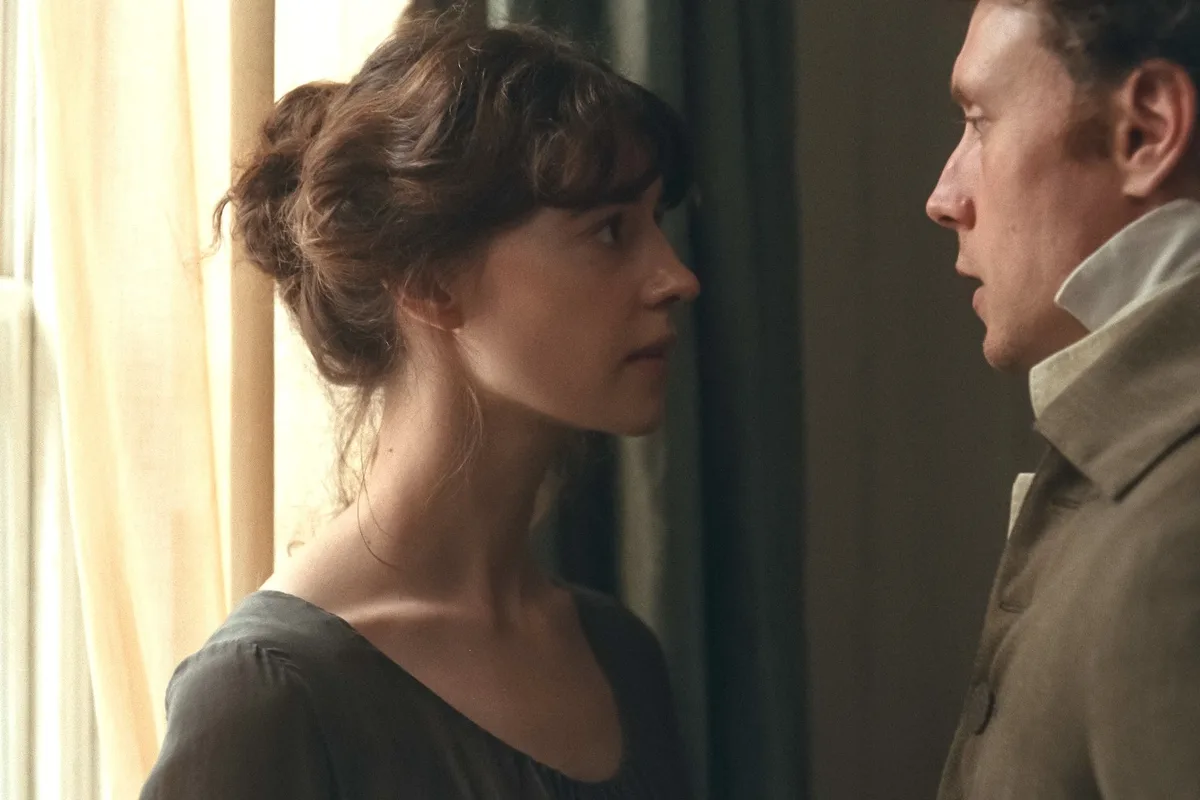
Edgar-Jones has spoken about the intensity beneath Elinor's restraint: a character who feels deeply while constantly managing what everyone else is allowed to see. Creed-Miles' Marianne provides the opposite energy, making emotion visible almost as soon as it exists.
Georgia Oakley wants the period to feel lived in
The same philosophy extends to the physical world. Oakley has pushed back against the pristine version of period drama in which homes, costumes and people seem permanently prepared for display.
The contrast between the Dashwoods' former estate and their reduced circumstances is meant to feel material. A grand country house should not simply be prettier than a seaside cottage; the audience should understand what losing one and being forced into the other actually means.
Oakley and her collaborators discussed films including John Schlesinger's Far from the Madding Crowd, Céline Sciamma's Portrait of a Lady on Fire and Hlynur Pálmason's Godland while developing the visual language.
George MacKay, Frank Dillane and Herbert Nordrum take the romantic positions
George MacKay plays Edward Ferrars opposite Edgar-Jones' Elinor. Frank Dillane is John Willoughby, while Herbert Nordrum takes on Colonel Brandon.
Caitríona Balfe plays Mrs. Dashwood, Bodhi Rae Breathnach is Margaret and Fiona Shaw also joins the ensemble. Tim Bevan and Eric Fellner produce through Working Title alongside India Flint and Jo Wallett.
Working Title's presence creates another Austen connection. The company previously produced Joe Wright's 2005 Pride & Prejudice and is now returning to the author's work with a filmmaker whose priorities are deliberately different.
The 1995 adaptation remains the unavoidable comparison
Ang Lee's 1995 Sense and Sensibility still casts a long shadow. Emma Thompson wrote its Oscar-winning screenplay and starred as Elinor alongside Kate Winslet's Marianne, creating performances that remain closely associated with the characters three decades later.
Oakley's film therefore cannot rely on the novelty of adapting Austen. Its argument has to come from emphasis: a less polished material world, a more reciprocal relationship between the sisters and a belief that “sense” and “sensibility” are qualities both women may need.
The film begins its international rollout in late September, with Focus Features currently listing October 16 for its US theatrical release.