The history lives in machines rather than a storyline
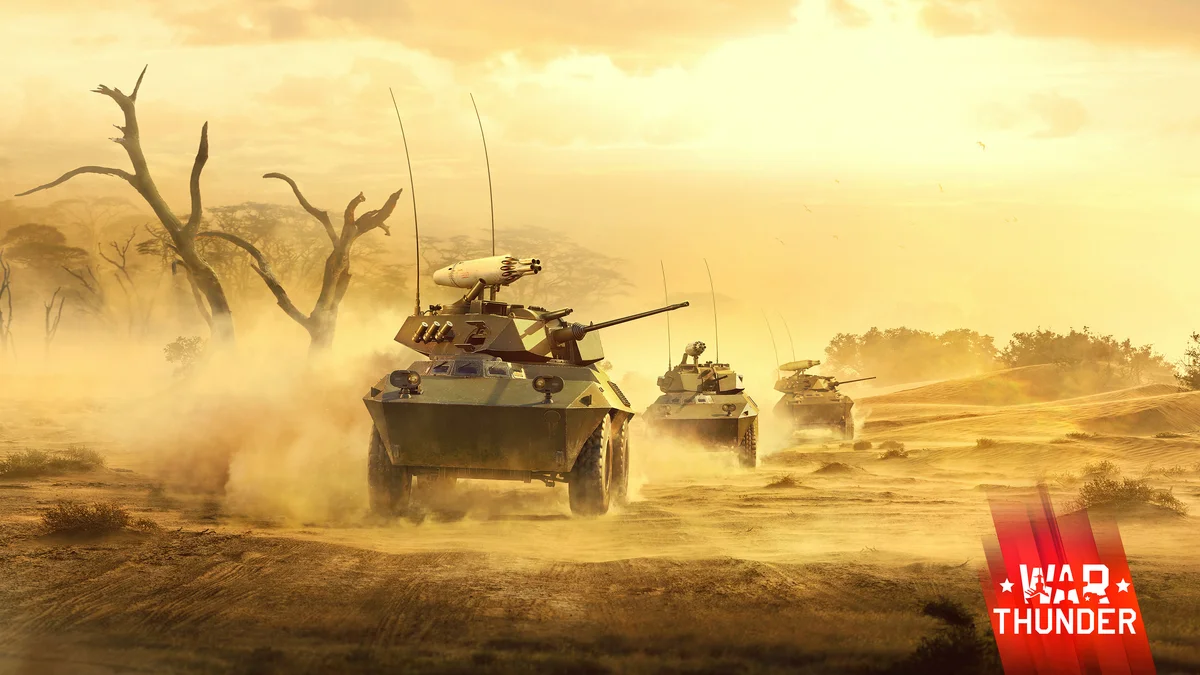
War Thunder has no protagonist and no contemporary campaign capable of connecting thirteen years of updates into one narrative. Its world is built from the vehicles themselves. Gaijin now advertises more than 3,000 aircraft, helicopters, armoured vehicles and naval craft, created with reference to historical documents and surviving sources.
The scale has become fascinating in its own right. One account can move from a propeller aircraft to a modern fighter, from Second World War armour to machines with sophisticated fire-control systems, then into a destroyer. Each object carries a different visual and mechanical language through its silhouette, armour layout, cockpit, weapons and intended use.
The result resembles a museum where every exhibit has to be operated instead of observed behind glass. The analogy only goes so far, but it captures an important part of the appeal. Understanding why a machine was built a certain way frequently helps explain how it behaves inside the game.
Authenticity is not the same as reenactment
War Thunder borrows real machines, locations and extraordinary amounts of mechanical detail without attempting to recreate one historically exact battle every time matchmaking starts. Nations, eras and operational contexts are reorganised around Battle Rating and competitive requirements.
That distinction matters. The game can make armour slope, ammunition design or fighter energy tactics intuitively understandable without turning each match into a reliable history lesson. Documentation becomes competitive rules.
Historical missions and PvE material still exist, but the cultural centre of War Thunder is the multiplayer ecosystem and its unusually machine-obsessed community. Arguments over module placement, technical manuals or missile behaviour almost seem inevitable in a game that already rewards knowing such details.
Modern equipment changed the identity of the game
War Thunder was once strongly associated with Second World War aviation. The 2026 version has moved far beyond that identity. Radar, guided weapons, modern main battle tanks, helicopters and sophisticated air defence have expanded its vocabulary into contemporary military technology.
Sky Odyssey continues that movement with India's Arjun Mk 1, Indonesia's Harimau, Greek equipment and additional aircraft. That produces an interesting cultural friction: a collection rooted in military history increasingly contains technology much closer to the present day.
Older machines are not simply abandoned. Gaijin continues revisiting internal modules, damage models and cockpit systems using plans and photographs. The museum never quite freezes; some exhibits are repeatedly dismantled and rebuilt.
Free-to-play turns collecting into permanent desire
The problem arrives when historically interesting machines also become a very long list of unlocks. Progression gives structure to exploring a nation, yet a famous vehicle can sit many ranks beyond the starting point. The catalogue becomes both the game's greatest attraction and the source of its longest friction.
Premium time, events and paid vehicles connect directly to that desire. A player happy to remain around one favourite historical bracket can largely treat the rest as optional. Someone staring constantly at a modern aircraft several ranks away encounters the live-service economy much sooner.
Recent Steam sentiment is considerably more mixed than the game's long-term reputation, while 2026 reviews repeatedly describe the same split: admiration for the machinery and fatigue with the time required to move through it.
A thirteen-year-old game that refuses to become an artefact
Perhaps War Thunder's strangest achievement is that it has not become historical software itself. A Steam game released in 2013 might reasonably survive as an archive of another multiplayer era. This one still receives major content drops, interface revisions, vehicle reworks and new permanent modes.
There is no traditional narrative arc to evaluate. Its story is instead the expansion of a military collection from Second World War aviation toward modern combined arms while keeping one central obsession intact: understanding a machine through what it can do and exactly how it can fail.