
Success quickly creates obligations of its own
When a game becomes enormous, players do not spend long asking whether there will be more. They ask what is coming, when it will arrive and why the next thing cannot be even bigger.
Palworld has just provided a neat demonstration. After version 1.0 launched in July, Pocketpair publishing and communications lead John Buckley asked the community what it would like the team to consider for 1.1.
Roughly 1,700 responses later, the scope needed clarification. A new continent, another twenty levels and similarly large undertakings are not what Pocketpair currently wants from version 1.1. The studio is not planning to spend a year building another massive update.
Version 1.0 had placed the bar in an impossible position
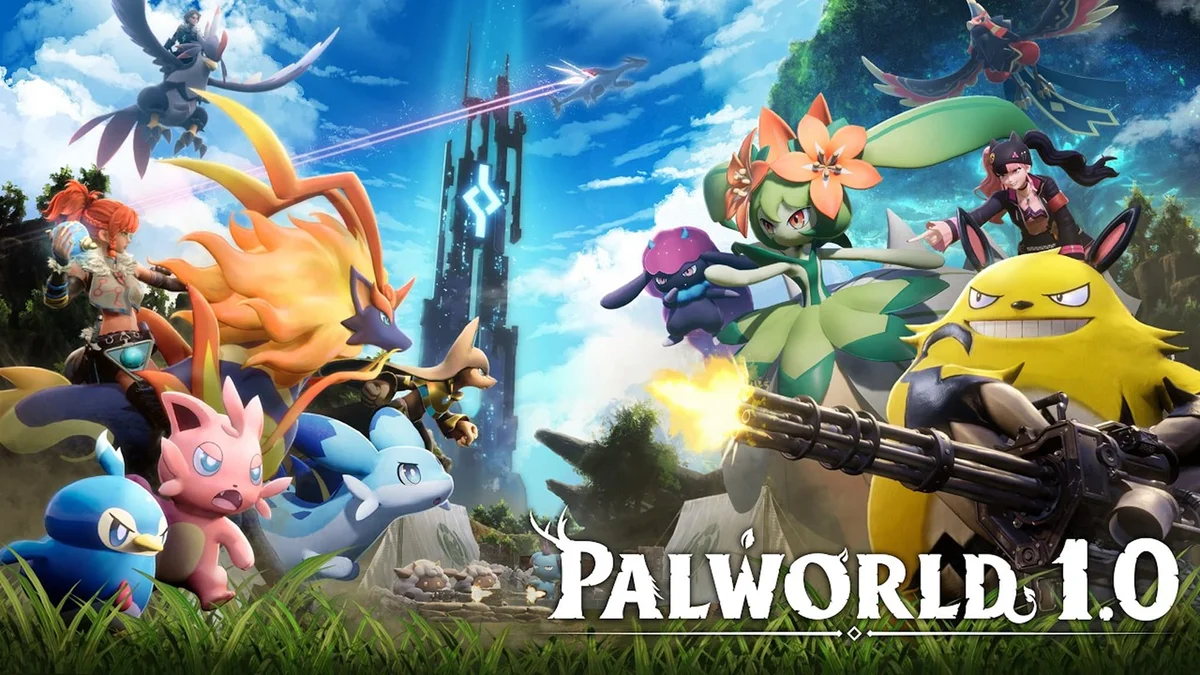
Part of the problem comes from Palworld 1.0's own success. That version represented the culmination of more than two years in Early Access and was naturally designed as an event, bringing new areas, new Pals, the World Tree and a substantial volume of changes.
Immediately before release, Pocketpair announced that Palworld had surpassed 40 million total players since its original launch. A few days after 1.0, the studio reported more than 850,000 concurrent players on Steam.

Those figures come from Pocketpair's own announcements, but they explain the pressure. When an update brings that many people back, every following step risks being judged not by what it improves but by whether it can recreate the same spike.
Saying no is also part of managing a hit
The 1.1 clarification is notable because it arrives before the update has even received a complete reveal. Pocketpair would rather reduce the scale of expectations now than allow the idea of another 1.0-sized launch to build for months.
That discipline is difficult for a studio that could easily feed a much larger promise machine. Palworld has a huge audience, an instantly recognizable identity and an expanding group of projects built around its name. Any spectacular possibility can become an expectation after a few screenshots and social posts.
By drawing a limit itself, Pocketpair is attempting to avoid a familiar trap: turning an actively supported game into an implicit subscription to escalation, where each update has to become larger than the last or risk being treated as a retreat.
The less spectacular work has already started
The period after 1.0 is already showing another form of support. Version 1.0.3 focused on progression, building and resource adjustments alongside a broad set of fixes.
The Aquatic Construction Kit was moved dramatically earlier in progression, while World Tree Holy Water gained additional acquisition methods and several changes intended to reduce the grind surrounding it.
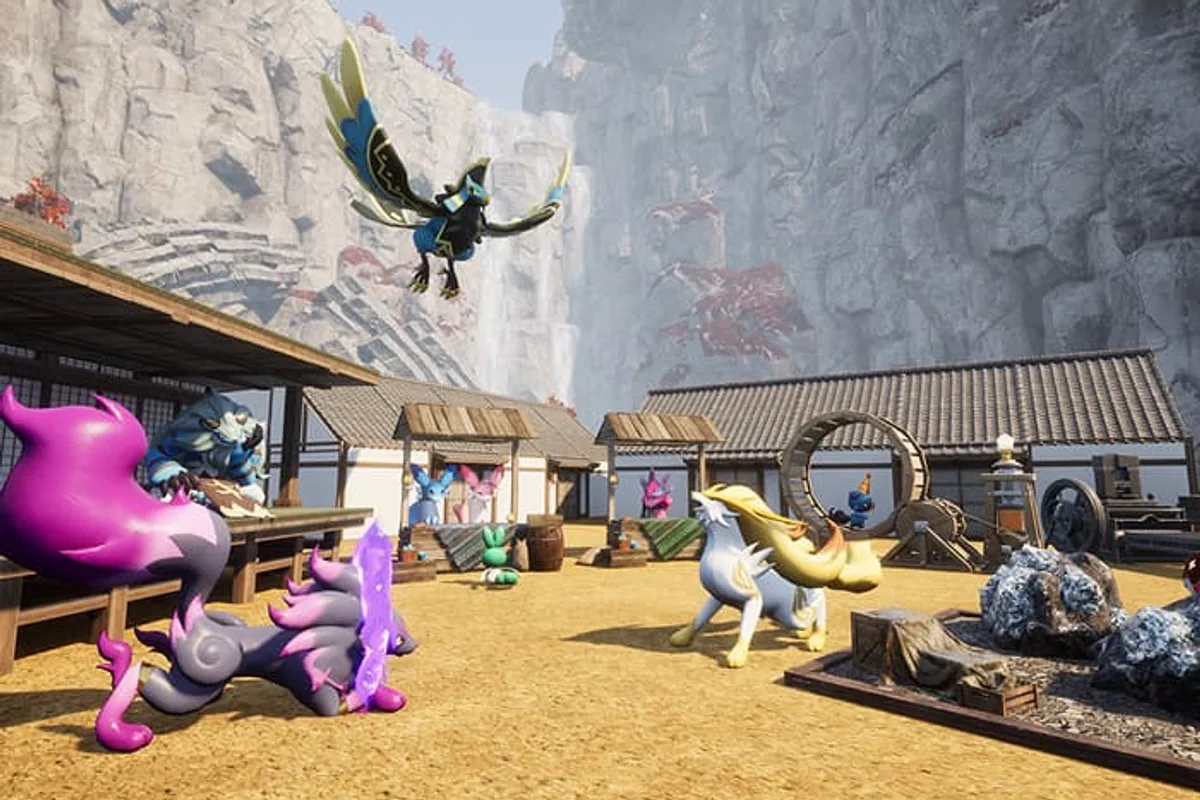
Changes like these are harder to turn into trailers than an entirely new continent. They can matter more to the actual lifespan of a survival game because they affect systems players repeat hundreds of times.
Palworld now has to learn how to last
The larger industrial question surrounding Palworld is therefore no longer simply whether Pocketpair can create another spectacular moment. It has already managed that twice, first with the original launch and then with version 1.0.
The next problem is more conventional and probably harder: finding a cadence the team can sustain and players can understand, without abandoning updates but also without promising another revolution every few months.
Palworld 1.1 still has no announced release date or final feature list. That absence is exactly why Pocketpair's intervention matters. Before selling the next big thing, the studio is beginning by explaining what it will not be.
For an IP now expanding in several directions, learning how to limit expectations may eventually prove as important as learning how to add more Pals.