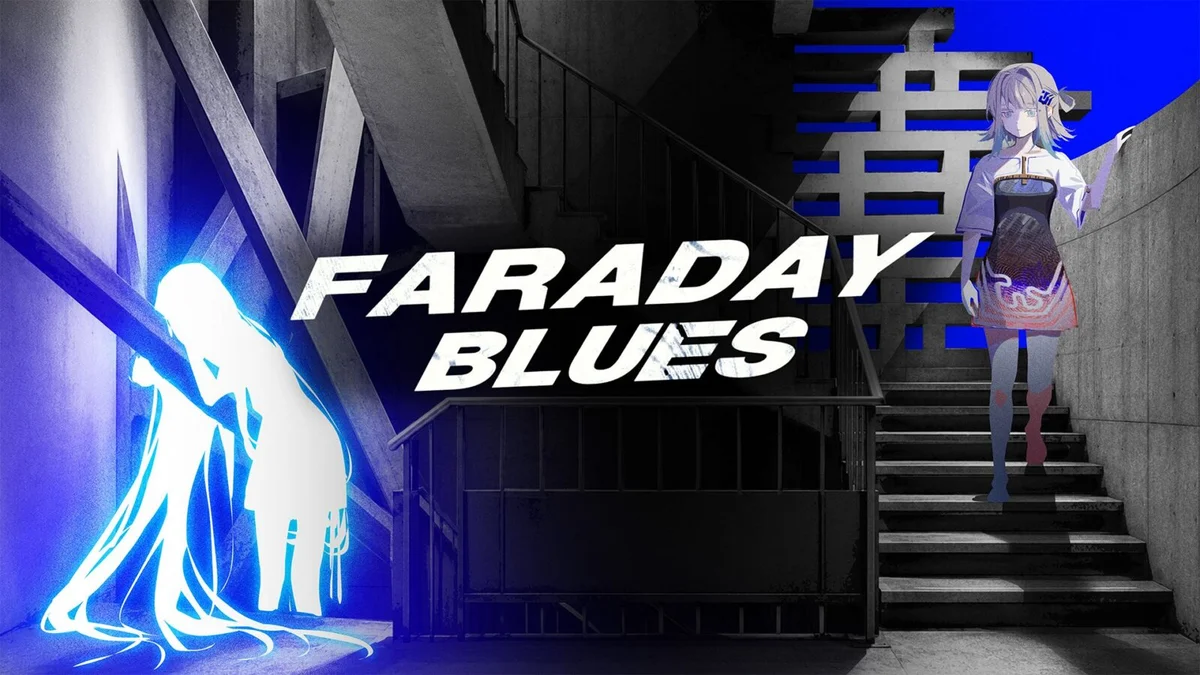
Serenity Forge revealed Faraday Blues during Xbox's Tokyo Game Show presentation. The game follows Lina and is planned for 2027 on PlayStation 5, Xbox Series and PC.
Lina is searching for her parents.
Her parents do not know she exists.
The cards are people before they are game mechanics
The structure initially resembles a strategy game. Cards, slots, character states, items and rules determine who can be present at a particular event.
The pieces being moved around, however, are members of a family. A bad placement does not simply cost health. Someone can miss a conversation, fail to form a relationship or be absent when a life-changing event occurs.
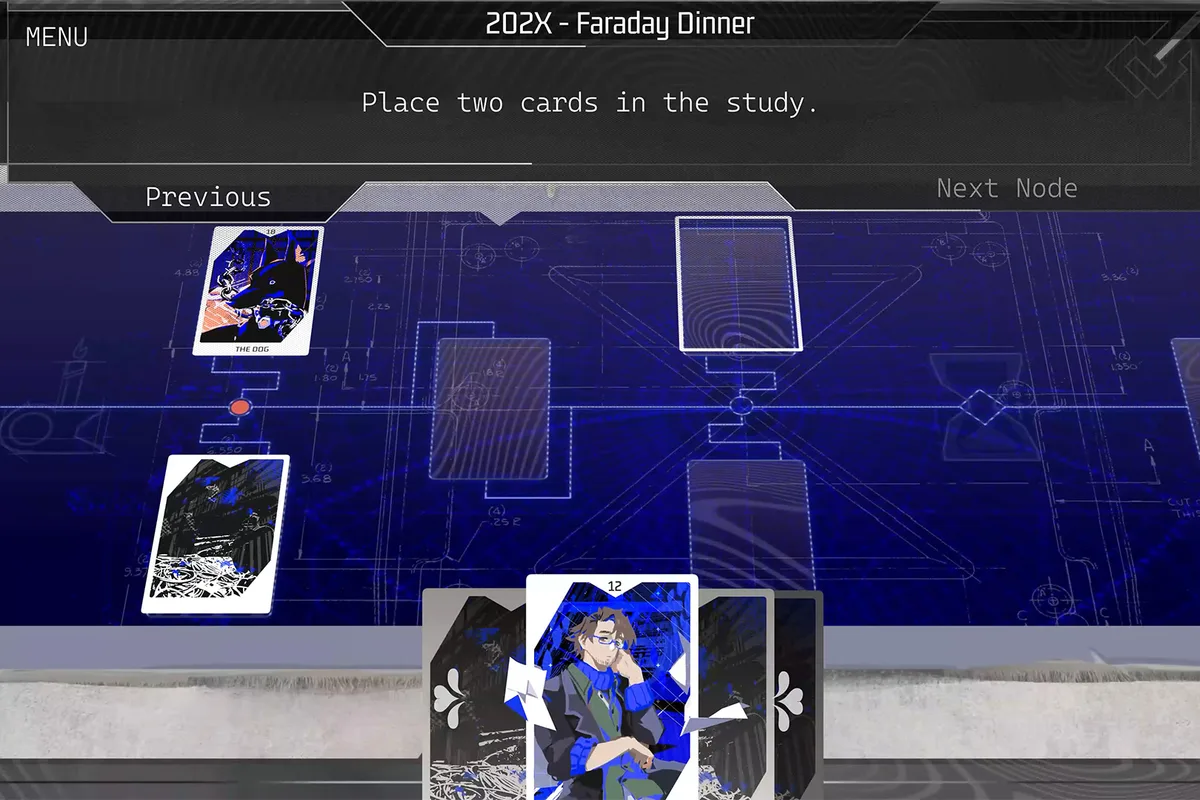
That collision gives Faraday Blues its immediate identity. It uses the cold vocabulary of a system to manipulate events that remain painfully intimate.
Three eras look at the same family through different languages
The game contains three connected visual novels, each using its own aesthetic, atmosphere and narrative presentation rather than merely moving the date forward.
Events in the first era modify the board available in the second. The third then inherits whatever survived: relationships, memories, objects, traumas and altered character states.
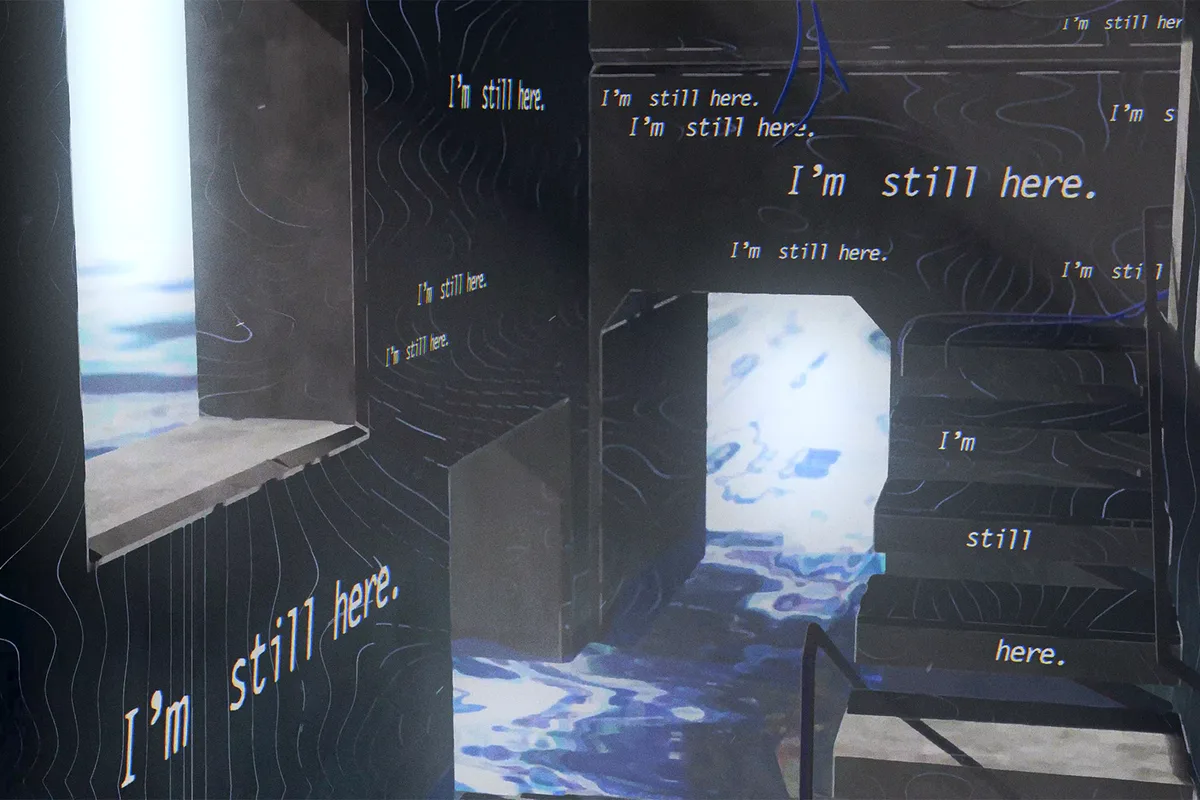
The Faraday family becomes a kind of living archive in which one generation receives decisions made by another, even when nobody understands where those consequences began.
The science fiction is less about time travel than regret
Director Zhenghua Yang describes Faraday Blues as intensely personal. Its emotional starting point is the familiar impulse to mentally rewrite events that cannot actually be changed.
The game makes that impulse possible and then makes it dangerous.
A better outcome from one perspective can be disastrous from another. Saving a person does not necessarily save the family. An apparently happy ending can change meaning once its cost becomes visible.
Sixty-four endings mostly mean sixty-four ways not to feel completely satisfied
Serenity Forge says the game contains 64 endings and openly notes that most are not victories.
Some routes only become possible once Lina has learned enough about the people involved to manipulate events in ways she could not understand earlier.
Resetting therefore becomes more than completionist hunting. Lina keeps resetting because she still believes a version of this family might exist that is worth preserving.
Doki Doki Literature Club, Slay the Princess and Cyanide & Happiness meet in one project
Co-creator and lead artist Satchely is known for character work on Doki Doki Literature Club, while Kevin Ye serves as narrative director.
Nichole Goodnight, the voice of the Princess in Slay the Princess, is among the cast. Cyanide & Happiness creator Kris Wilson is composing music.
Those names make Faraday Blues easy to frame as a collision of internet-era visual novel sensibilities. Its premise is simpler and stranger than that: a family presented as a system somebody believes can be repaired.
There is a fourth reality hiding behind the first three
The official description focuses on three principal eras and 64 endings, but Serenity Forge also confirms a hidden fourth timeline.
Unlocking it requires specific conditions and leads toward the motives of a suspicious trillionaire and a larger attempt to alter reality itself.
Faraday Blues is planned for 2027. By then, its most interesting question may not be how many timelines the player can create, but when they finally decide to stop resetting the board.