
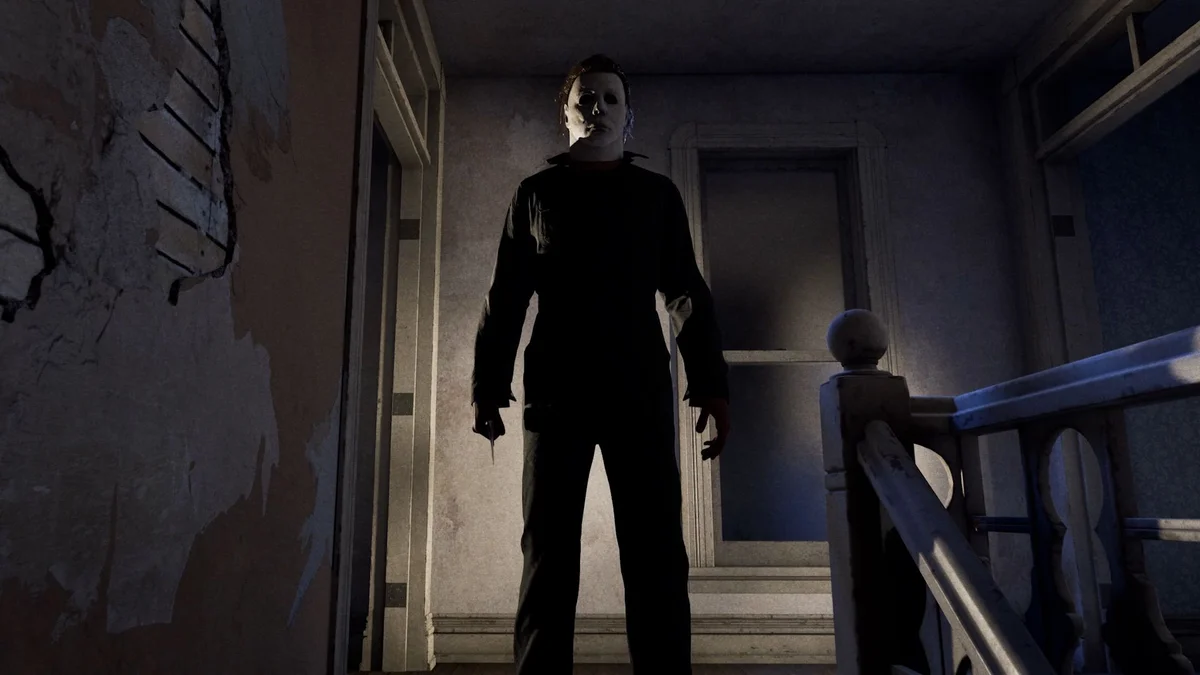
Halloween: The Game launched September 8 on PS5, Xbox Series X|S and PC. The asymmetrical multiplayer mode is a major part of the package, but its most direct relationship with the 1978 film sits inside the standalone campaign.
IllFonic describes that story as a reimagined extended version of the night surrounding Michael Myers' return to Haddonfield.
Michael becomes the protagonist
The six chapters begin around Michael's escape from Smith's Grove Sanitarium.
Players see how he acquires the pieces that form his familiar image: the coveralls, pale mask and kitchen knife. The path eventually reaches Haddonfield and the final babysitter encounter with Laurie Strode.
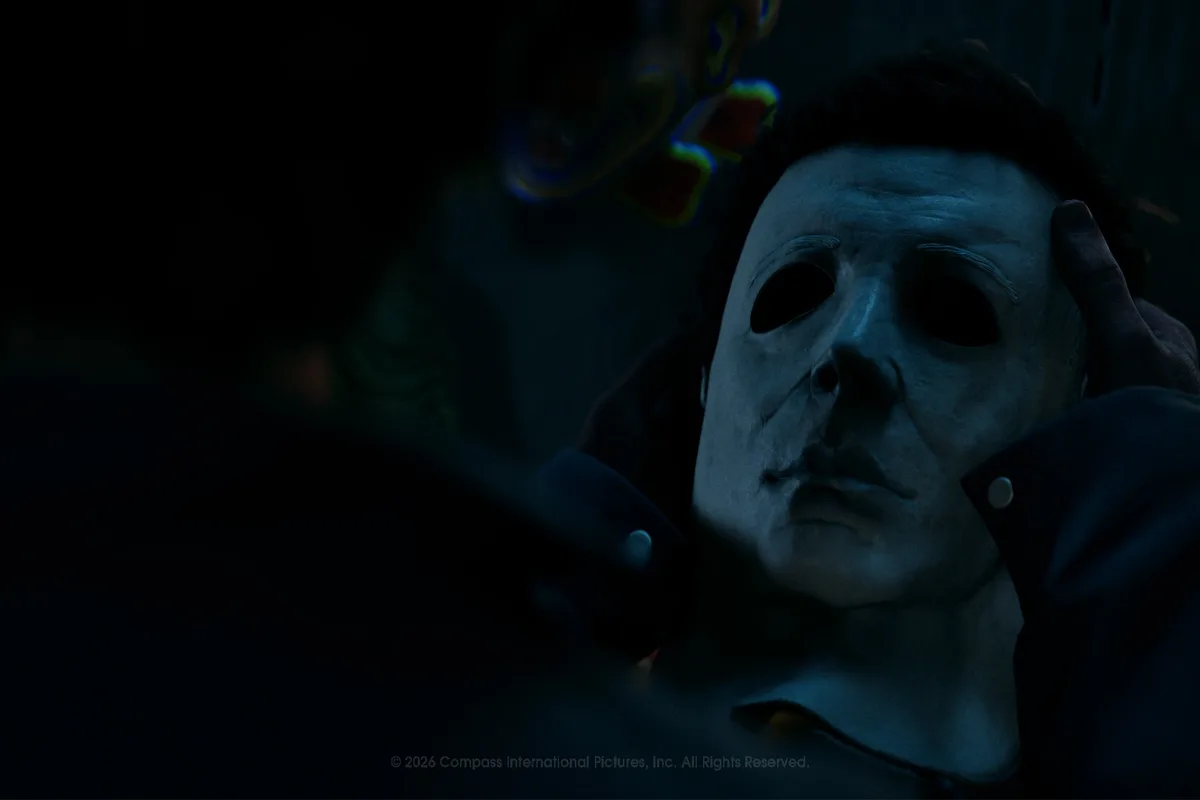
That perspective creates an obvious adaptation problem. Carpenter's film makes Michael frightening partly because viewers do not control his presence. He appears in a doorway, across a street or behind a hedge and can vanish before anybody properly reacts.
A game has to turn that uncertainty into player input without reducing him to a fast action character.
IllFonic's solution is to keep stalking and concealment central. Killing is the objective, but remaining unseen long enough to arrange it is part of playing the role.
Loomis narrates the damage left behind
Dr. Samuel Loomis provides narrative commentary as Michael moves through the campaign.
That preserves an outside perspective on a protagonist who is not going to explain himself through conventional dialogue.
Cinematic sequences introduce chapters and story beats with visual recreations inspired by specific shots from the original film.
Haddonfield is more than a generic suburb
IllFonic worked with Compass International Pictures and Further Front while rebuilding locations associated with the film and establishing the game's version of 1978 Haddonfield.
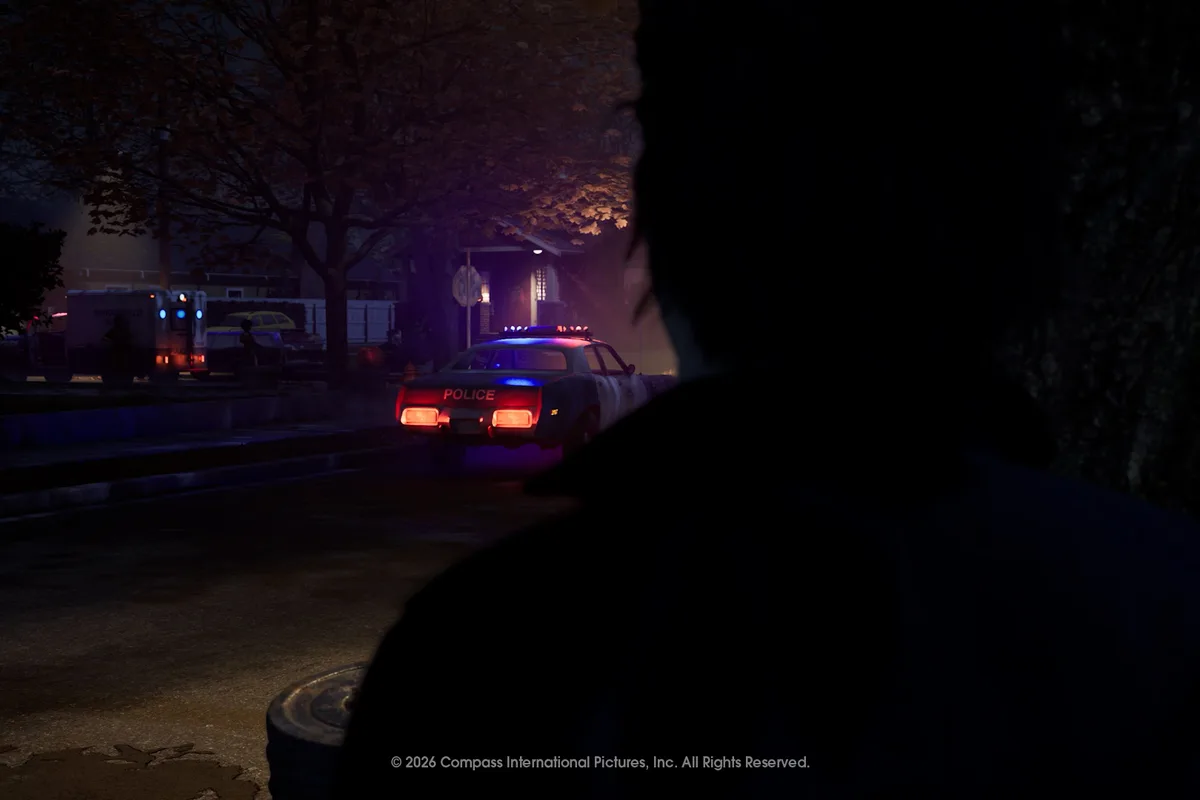
The familiar suburban environment has to support much more interaction here. Homes contain resident NPCs, telephones bring police into the neighborhood, power can be cut and escape opportunities change between matches.
Four multiplayer maps explore different sections of the town: Haddonfield Town Center, Haddonfield Heights, Orange Grove Estates and East Haddonfield.
The quiet neighborhood is therefore both iconography and game system.
The score carries the movie's DNA
IllFonic says it deliberately worked from the musical identity of the original rather than treating Halloween as a generic modern horror soundtrack.
That connection is difficult to separate from the property. John Carpenter's musical motifs are nearly as recognizable as Michael's mask.
The campaign pairs that sonic lineage with recreated imagery, then gives players more freedom once the cinematic framing hands control back to them.
It recreates the night without becoming an interactive transcript
The six chapters have defined objectives, but players choose how Michael approaches and kills his victims by combining his abilities with dynamic environments.
It is therefore not simply a sequence of prompts asking players to duplicate the original edit shot for shot.
Secondary challenges and collectibles reveal additional lore and unlock new scenarios, executions and rewards.
Some of those campaign rewards carry into multiplayer as cosmetics.
The film expands into a neighborhood horror sandbox
Multiplayer takes the opposite perspective. Civilians try to convince Haddonfield residents that Michael is real, get them to safety and bring local authorities into the hunt.
That expands the small community around Carpenter's film into a simulation where ordinary residents can be warned, moved and even armed.
Michael cuts lights and uses darkness to reposition. Survivors attempt to turn an isolated suburb into a coordinated response.
Halloween: The Game is available now on PlayStation 5, Xbox Series X|S and PC.