
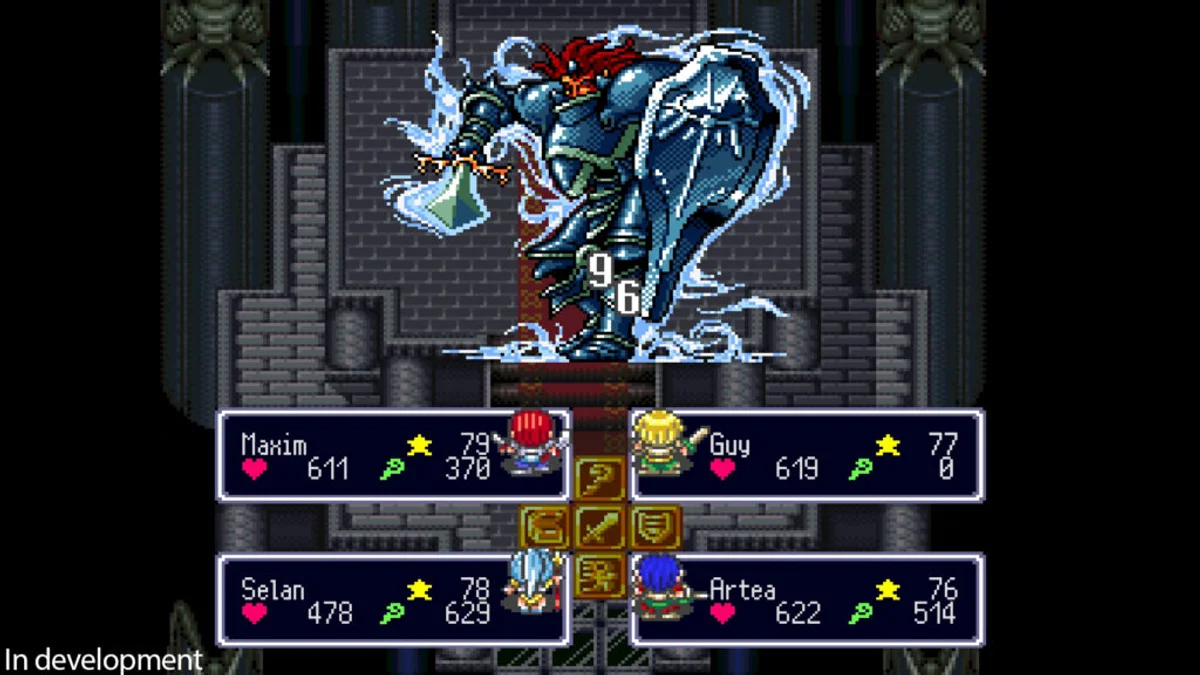
Lufia & the Fortress of Doom and Lufia II: Rise of the Sinistrals will return together in one collection in 2027 for PC, PS5, Switch and Switch 2.
The PC Gaming Show Tokyo Direct announcement revives a series that has been largely absent from modern gaming despite retaining an unusually persistent reputation among 16-bit JRPG fans.
Taito is not positioning the release as a ground-up reconstruction. The company explicitly says the original pixel art is being preserved while new functions improve the experience for modern play.
The two games almost tell one story in the wrong order
Fortress of Doom opens with a legendary battle against four godlike beings known as the Sinistrals.
Players witness that confrontation before the narrative jumps forward almost a hundred years to the descendants of the people involved.
Rise of the Sinistrals, released afterward, moves in the opposite direction and follows Maxim, turning one of the first game's legends into a complete character journey.
The sequel is therefore not merely filling in lore. It transforms historical figures glimpsed for a few minutes into people whose relationships and eventual fate the audience already partially understands.
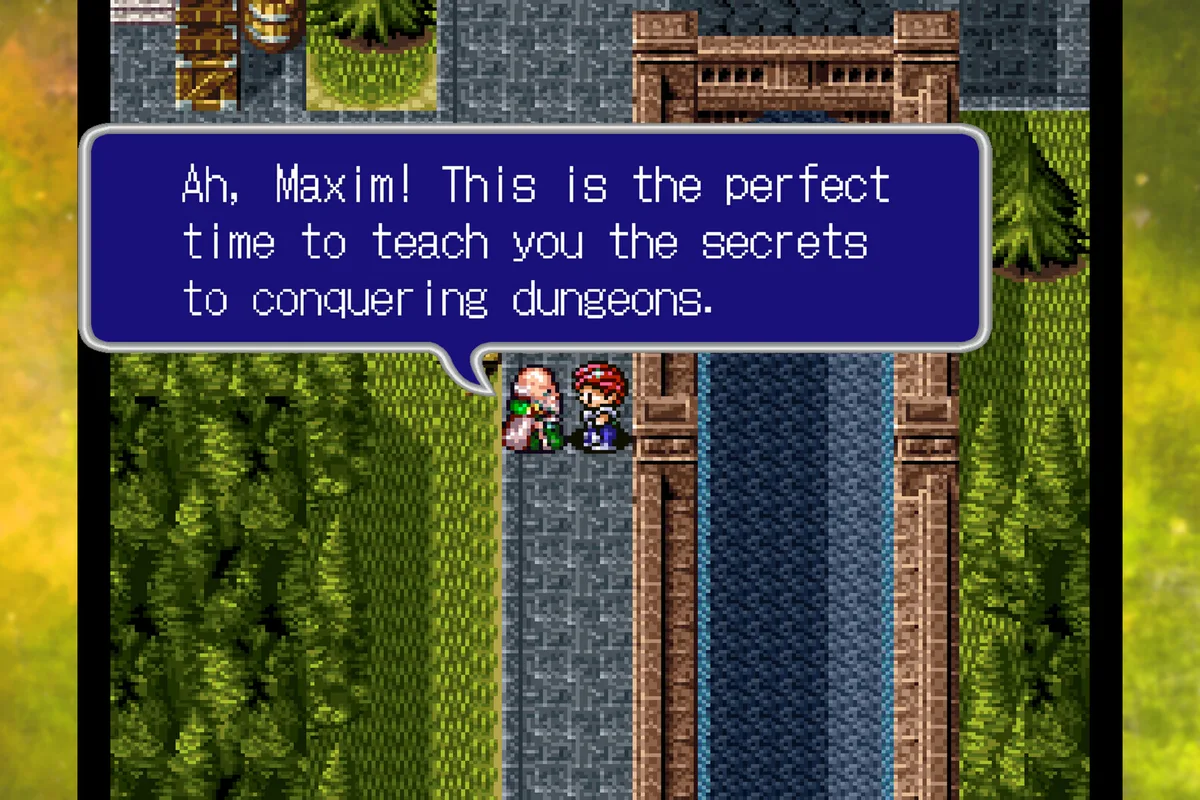
That structure gives the word prequel a different weight
Players already know part of the destination when beginning Lufia II.
Suspense becomes less about whether the heroes will ultimately succeed and more about how Maxim, Selan and their companions become the names remembered by the first game.
Taito still describes the pair through themes of love, loss, meetings and farewells.
Series designer Masahide Miyata has also reread the complete scripts while preparing this edition, revisiting both development memories and dialogue his older self now finds somewhat embarrassing.
Preservation sometimes means preserving the oddities too
The Sinistrals Saga screenshots retain the Super Nintendo visual language instead of repainting characters as high-definition illustrations.
That matters because these games are artifacts of their era as much as stories. Sprite proportions, palettes, dialogue windows and animation rhythms all contribute to how their worlds communicate.
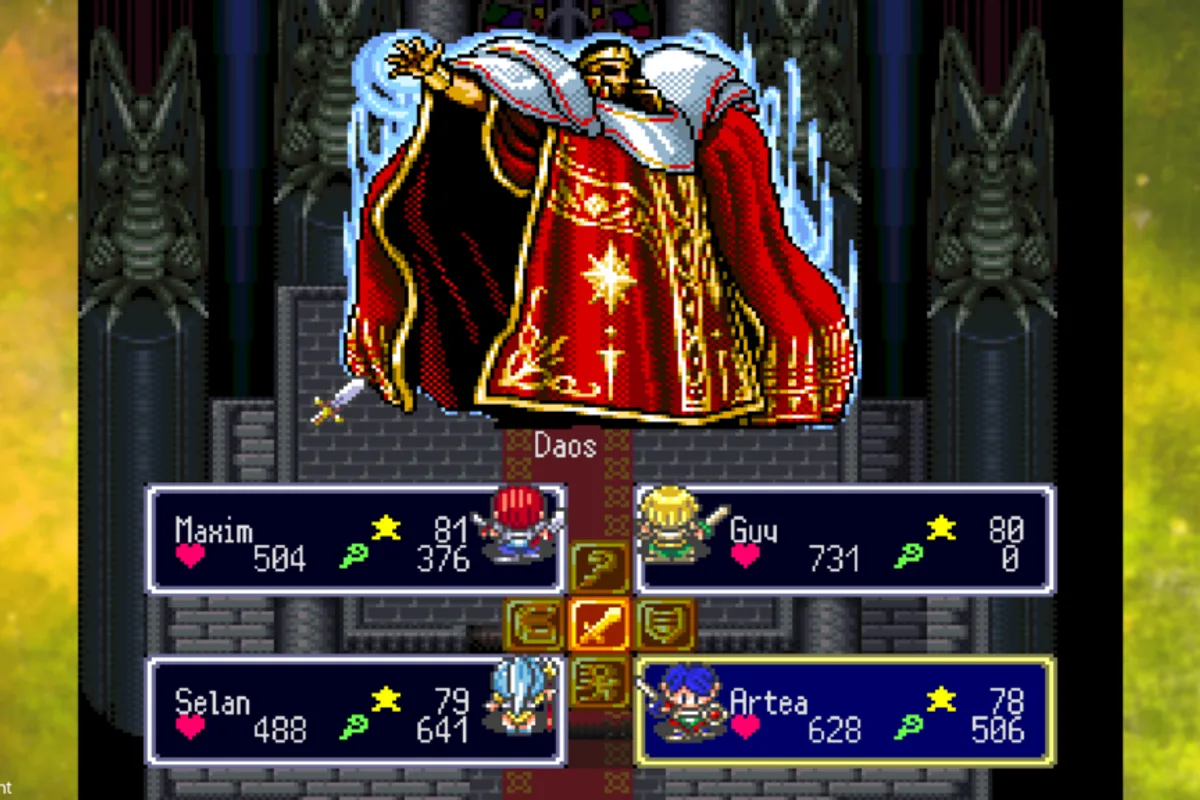
A remake could reinterpret those qualities. This collection appears to have a different job: put the original works back into circulation without requiring the hardware on which they were born.
Lufia II remains fascinating for what it was already trying to do
Rise of the Sinistrals was not simply a more ambitious story. Its dungeons deliberately challenged several established JRPG habits.
Enemies became visible inside those spaces, while rooms were built around environmental puzzles instead of functioning purely as corridors between random battles.
The Ancient Cave then added a 99-floor challenge whose layout changed between runs and forced players to rebuild progression during each attempt.
That design language is considerably more familiar in 2026 than it was in the mid-1990s.
An official PC release also changes how the series can be preserved
The Sinistrals Saga will be the first official Lufia release on PC.
Steam supports eight languages, including French, together with achievements and cloud saving.
Taito has not yet explained every modern gameplay function included in the collection. It would therefore be premature to assume standard retro-release features such as rewind, save states or speed controls simply because similar collections use them.
The confirmed part is more fundamental: both games are commercially returning together in 2027.
For a series whose reputation remained alive far longer than its availability, that alone is a meaningful form of restoration.