
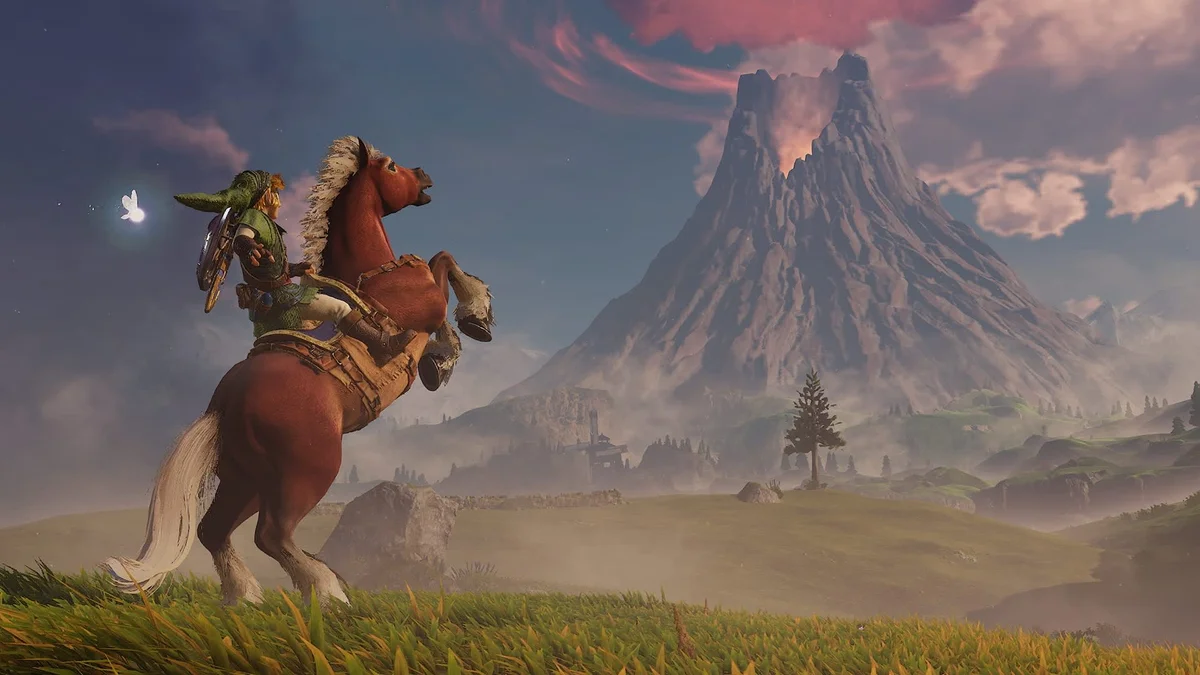
Ocarina of Time has existed long enough for almost every design choice to feel sacred to somebody.
Nintendo's Switch 2 remake keeps the familiar journey between Link's childhood and adulthood, but the September presentation made clear that the company is willing to reinterpret the experience around that structure.
Hyrule finally gets voices
Cutscenes are now fully voiced, and Nintendo says characters have considerably more dialogue than before.
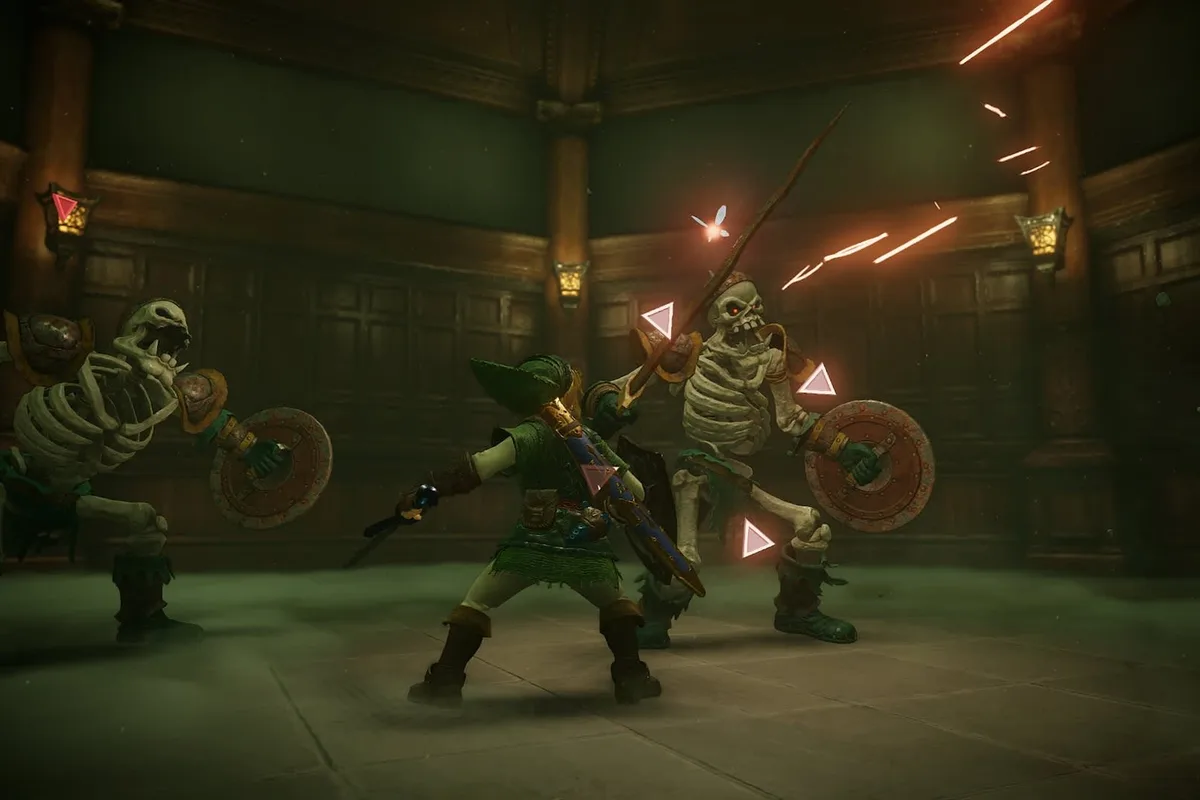
That changes more than production value. The original relied on text, animation and music to leave voices largely inside the player's imagination. Characters such as Zelda, Saria and Darunia will now arrive with explicit performances attached to scenes that players have remembered for decades.
The music is being reconsidered in the same spirit. Ocarina of Time's score returns with symphonic orchestral arrangements rather than simply playing the original audio at higher quality.
A classic control scheme is not being treated as untouchable
Link now has dedicated commands for running and jumping, alongside full right-stick camera control.
Those are almost invisible conventions in a contemporary action game. In 1998 they were not. Ocarina of Time was itself helping establish how a 3D adventure could work with one analog stick and a camera that the player did not freely operate.
The remake is therefore modernizing a design language that the original helped create.
Memory is no longer part of the difficulty
Threads of Time lets players inspect story progress and identify the next objective.
It is not an announced rewrite of the dungeons. It is an acknowledgment that people now return to long games after interruptions, while a late-1990s adventure often expected the current quest to remain fresh in the player's head.
The ocarina becomes a physical gesture again
Switch 2's microphone allows players to hum learned melodies and have Link perform them. Conventional controller input remains available.
It is a tiny feature next to the reconstructed environments and full voice acting, but culturally it may be the most fitting addition. The instrument that gave the game its title can now be used through an actual human sound rather than only a button sequence.
Nintendo is positioning the remake at the center of Zelda's 40th anniversary celebrations, alongside special hardware, amiibo and other releases.
The Legend of Zelda: Ocarina of Time launches November 5, 2026 exclusively on Nintendo Switch 2.