Polyarc's closure is useful to read as an industry story rather than only a farewell to Moss. The Seattle developer announced on September 11 that it was winding down after almost twelve years, with 29 employees appearing on a reverse-recruiting list shared to help the remaining team find work.
The crisis began with a project that disappeared
Months earlier, Polyarc had already acknowledged that a major project had been cancelled. The studio then failed to secure enough replacement funding to continue at its previous size.
Former employees said approximately two thirds of the workforce lost their jobs during the resulting cuts. The project had reportedly been in active development when its financial backing disappeared.
That chronology matters. September's shutdown was preceded by a substantial loss of staff and a financing problem that Polyarc had already spent months trying to solve.
A recognizable IP did not remove the funding problem
Moss was unusually valuable for a small VR studio because people remembered it. Quill became one of the medium's recognizable characters after the original game's 2018 launch, while Moss: Book II collected major awards four years later.
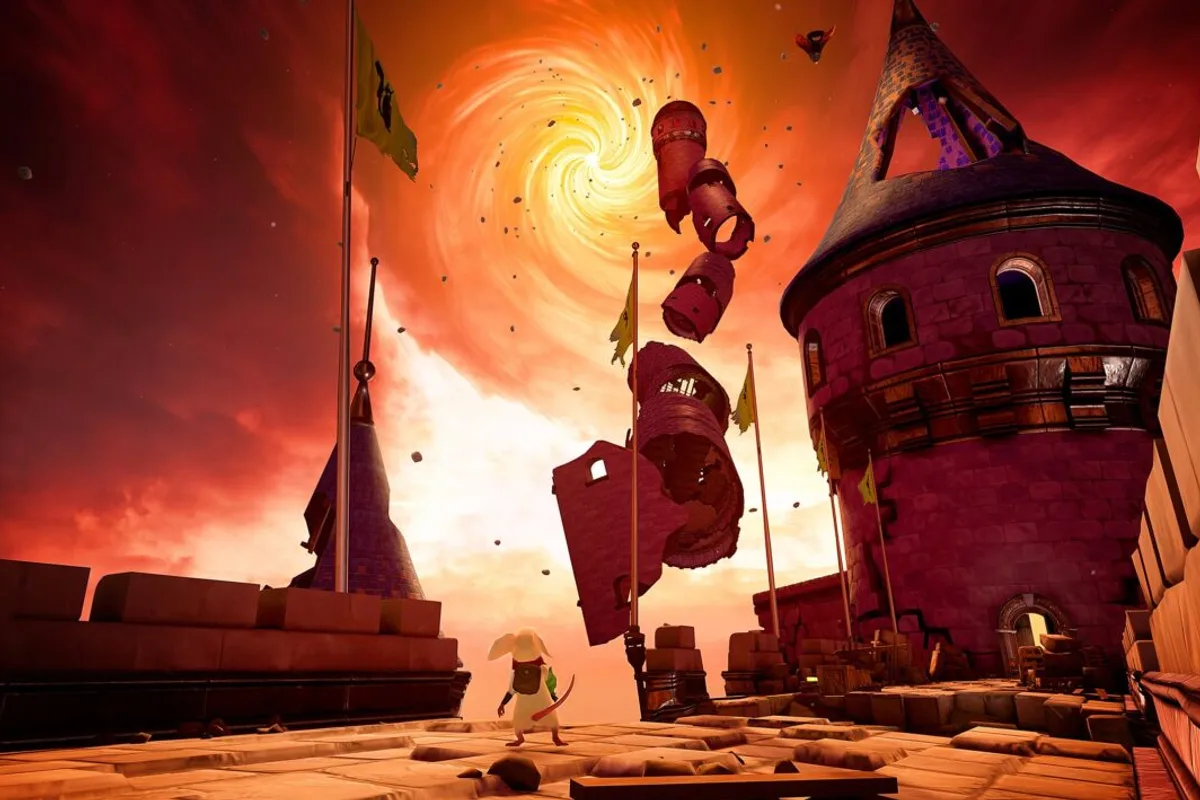
The series also demonstrated a form of VR design that did not depend on reproducing a first-person body. Players looked into Quill's world, controlled her directly and physically interacted with parts of the environment as another presence in the story.
That creative identity survived. The business around it did not.
The Forgotten Relic widened the addressable audience
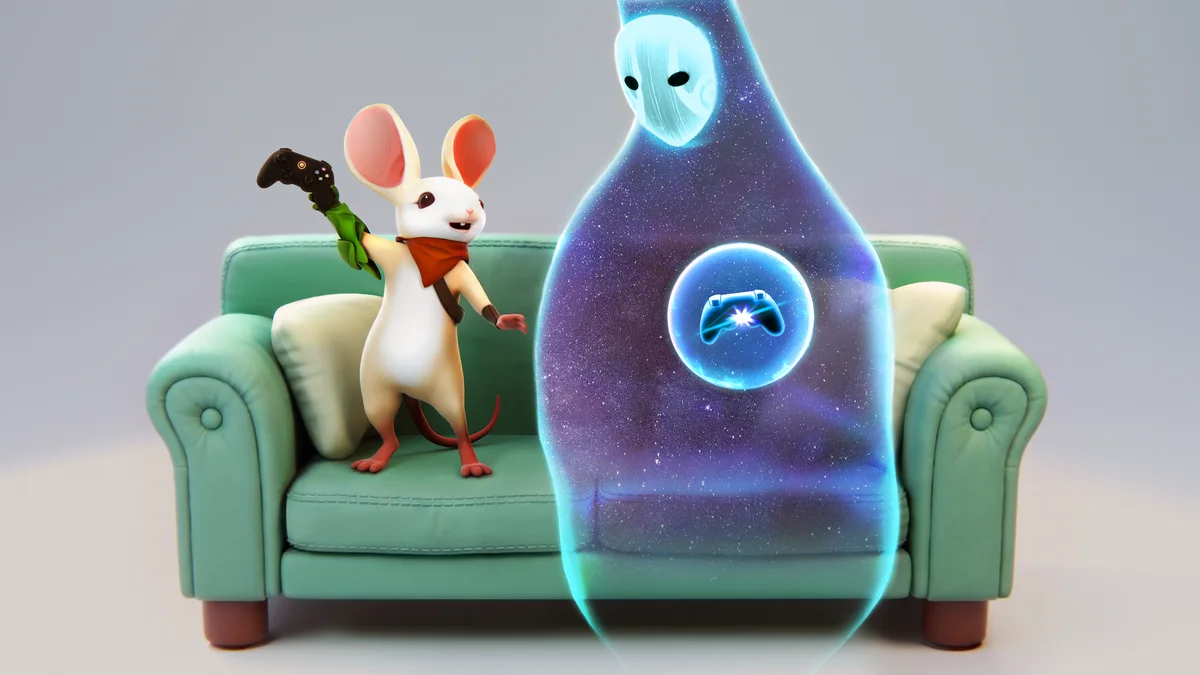
This summer's Moss: The Forgotten Relic took both main adventures and redesigned them for ordinary screens. Polyarc's own explanation was straightforward: plenty of people had wanted to experience Quill's story but had never owned compatible VR hardware.
Moving to traditional consoles and PC therefore expanded the potential audience without abandoning the studio's strongest property. A free local co-op update followed on September 3.
The company closed eight days later.
VR studios carry concentrated risk
Polyarc's experience arrives during a period of retrenchment across specialist XR development. Several established teams have faced closures, layoffs or cancelled projects as the sector's financing environment has tightened.
A studio operating in that market can be especially exposed when a large production loses its backing. Development costs continue long before a game produces revenue, while smaller companies rarely have enough simultaneous products to absorb the disappearance of one major contract.
There is still a line between context and confirmed cause. Polyarc did not publicly name the cancelled project's funder in its final announcement, and it did not attribute the closure to one platform holder or one specific strategic decision elsewhere in the industry.
Moss succeeded at one problem, not the other
Polyarc helped prove that third-person adventure design could feel native to VR instead of compromised by it. Moss had a clear visual identity, awards and an audience that followed Quill across multiple headsets.
The studio's final months show a harsher equation. A game can become culturally important inside a young medium without creating enough financial insulation to survive the loss of the next project.