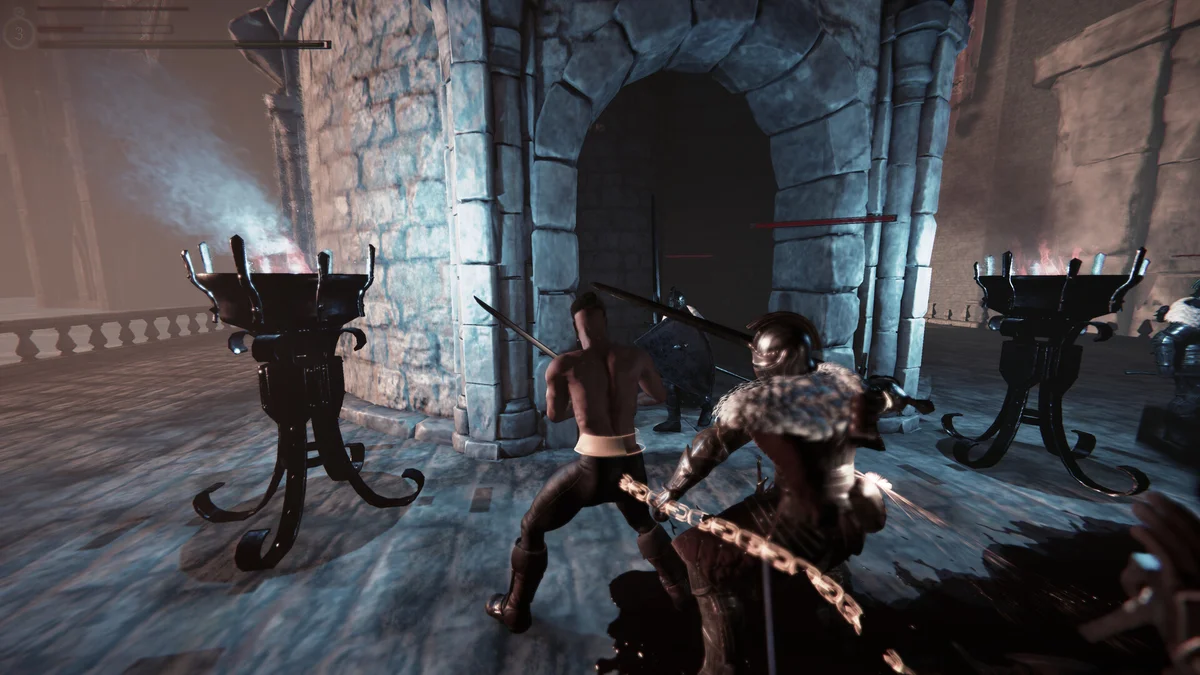
Kyroware had scheduled Soul Chained for August 31. On August 28, solo developer Andrew announced that the date could no longer be met because the final Steam build had not completed review.
One part of that process involved Grundle the Defiler, a deliberately ridiculous boss with pixelated nudity.
Andrew said Steam had difficulty reaching the boss to verify that material and determine what kind of explicit content it represented.
A disclosure still has to describe what the product actually contains
Soul Chained's current Steam mature-content section explicitly lists blood and brief instances of censored or pixelated nudity.
Kyroware's account illustrates the distinction between a developer declaring content and a platform conducting its own review before approving the commercial build.
The developer turned that distinction into a joke about Grundle's anatomy. Operationally, it still caused a missed release date.
The store has now moved to September 7
Kyroware did not announce a replacement date in the original August 28 delay post.
Andrew said the game would remain delayed until Steam completed its review and approved the build, after which a new launch update would follow.
Steam has since changed the public listing to September 7, 2026.
That store update should not be expanded into claims the developer has not made in the source material. It establishes the current planned date; the August 28 statement does not itself document the final outcome of Valve's review.
For a solo developer, a one-week slip touches almost everything
Soul Chained crossed 40,000 wishlists in August after roughly two years of development.
Kyroware had already built its release campaign around a $6.99 price, public demo, Steam Next Fest exposure and eventually the August 31 date.
A large publisher can distribute certification, marketing and release management across different departments. Here, the person building the game is also the person publicly explaining why the store cannot sell it yet.
The problem fits the game's marketing almost too well
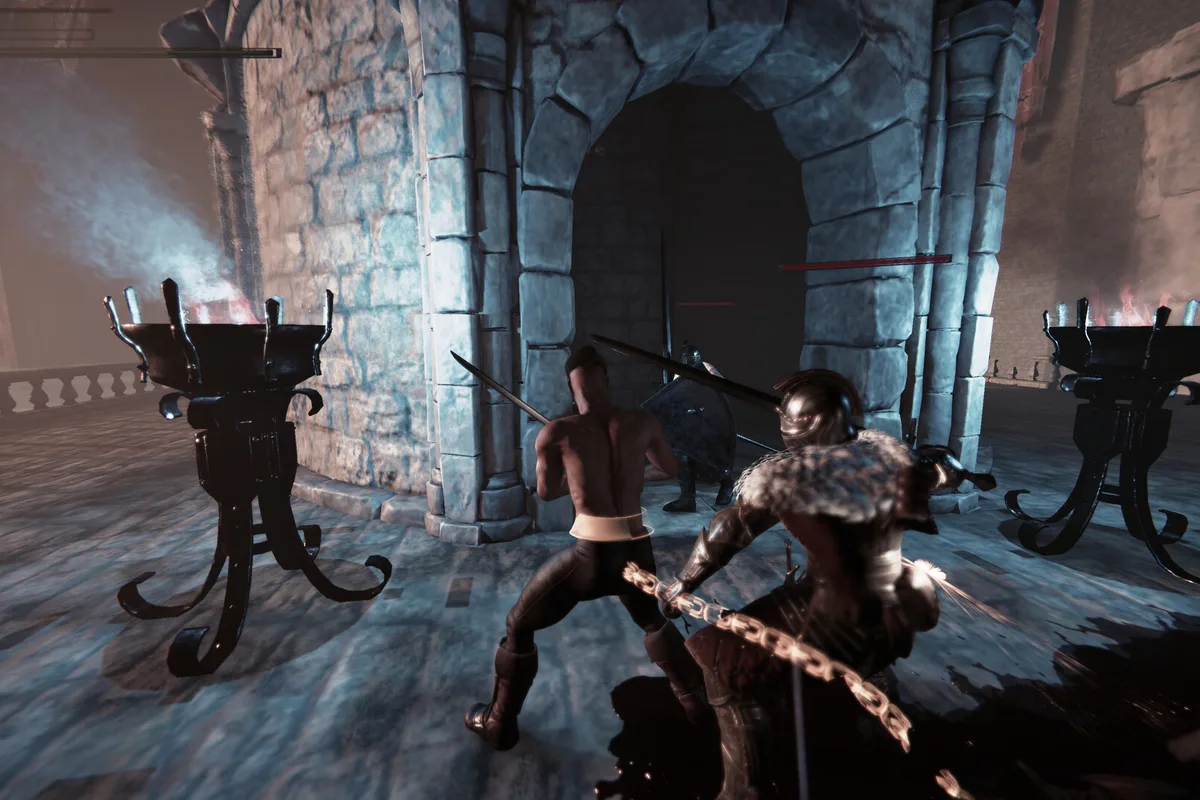
Soul Chained intentionally presents itself as a comedic interpretation of Souls-style co-op. Its store copy talks about terrible decisions, chaotic chain physics and bosses with suspicious amounts of jiggle physics.
Grundle therefore became useful marketing material the moment the review problem appeared.
Kyroware's announcement converts an otherwise dry approval delay into a story perfectly aligned with the game's existing tone.
That does not make the platform issue fictional. The build was still unavailable on the original launch date.
Self-publishing still has a gatekeeper at the final step
Steam dramatically lowers the barriers separating small developers from a global PC audience. Soul Chained is a good example: one developer can build, market and sell a commercial multiplayer game worldwide.
But the final distribution layer remains controlled by the storefront.
A developer can consider a product finished, announce a date and accumulate tens of thousands of wishlists while still depending on the platform's approval process before the buy button can activate.
Steam now points to September 7. For Soul Chained, that dependency appears to have cost roughly one week.