
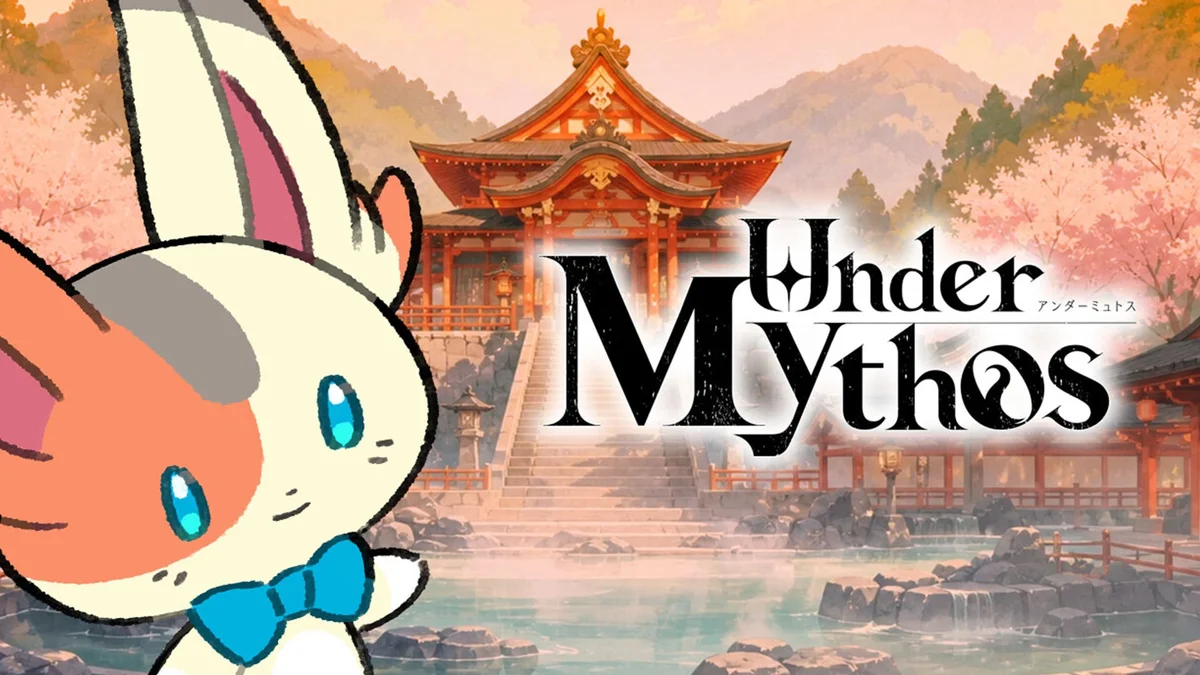
KADATH revealed Under Mythos on September 10 for PC and Nintendo Switch. A Steam page is live, a teaser has been released and several notable Japanese creators are already attached.
Producer Yoichi Miyaji brings LUNAR and GRANDIA history. Atsuko Nishida is contributing character design, Takumi Miyajima is writing and Noriyuki Iwadare is composing.
The project itself remains much younger than that list of names might suggest.
KADATH is designed around projects rather than payroll
Miyaji told Game*Spark that KADATH was established in January 2026 and began operating around February. It functions primarily as an IP creation and production company.
Many of the people contributing to its games remain members of other companies. Programming support for Under Mythos includes developers associated with Matrix Software and Riz, while KADATH handles areas such as planning, funding and project coordination.
The model is closer to assembling a production around an idea than staffing a traditional studio first and finding work for it afterward.
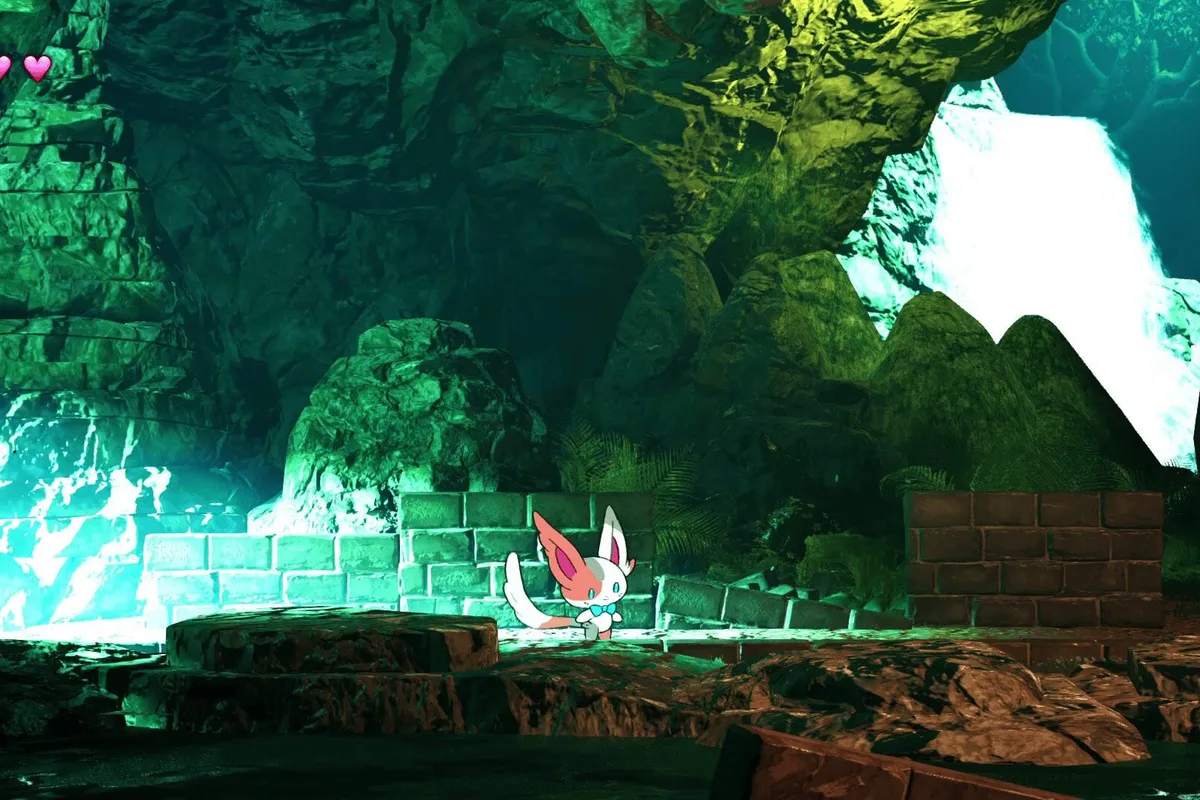
The next product KADATH needs to finish is not the game
It is the vertical slice.
KADATH says this prototype is being prepared to demonstrate the intended final quality of the visuals, audio direction and core gameplay. The company is seeking collaborators for that phase and for subsequent development.
Japanese announcement materials still list the publisher as undecided, even though KADATH currently appears on the game's Steam storefront information.
That puts the 2028 target in context. The project is public early, before its commercial structure is completely settled.
Miyaji is deliberately borrowing indie development habits
KADATH describes its position as independent despite the long industry histories of the creators involved. Miyaji argues that smaller productions can communicate with fans from the planning stage instead of waiting until a nearly finished game is ready for marketing.
He connects that approach to a broader concern about original Japanese RPG production. As large publishers have concentrated resources around increasingly expensive projects and established franchises, he believes there is less room for new standalone JRPG properties.
Meanwhile, international developers continue to build games explicitly inspired by Japanese RPGs from earlier generations.
Veteran credits give an unfinished project immediate leverage
Atsuko Nishida's Pokémon design work provides a recognizable visual pedigree. Takumi Miyajima brings a Tales of the Abyss connection. Noriyuki Iwadare links the project to GRANDIA, LUNAR and Ace Attorney.
Those credits do more than generate headlines. For a new company actively looking for financing and publishing relationships, they establish credibility before a finished vertical slice exists.
KADATH's official site makes that business need unusually visible, openly inviting inquiries regarding collaboration, investment and publishing.
Its first project is not trying to look commercially obvious
Under Mythos combines a Japanese hot spring inn, Cthulhu Mythos characters, action combat, extraction systems and randomized mutations. Its protagonist is a small cat connected to Nyarlathotep.
Miyaji recalls showing the concept to a publisher who responded by asking who exactly the audience was supposed to be. He describes the reaction almost approvingly.
That is effectively KADATH's reason for existing: make the sort of original concept that may struggle to survive a larger company's approval process, then build a project-specific coalition around it.
The real test comes before 2028
KADATH wants development itself to become part of the audience relationship, with early feedback and public interaction influencing the project while it is still flexible.
That flexibility also means the current design is not a contract. Miyaji says the scenario is not yet fully written, while the studio's own announcement describes the vertical slice as still being prepared.
Under Mythos may eventually prove whether its hot springs, extraction mechanics and cosmic horror belong together.
Before that, KADATH has to prove that its networked production model can turn an unusually strong pitch into a fully financed game.