
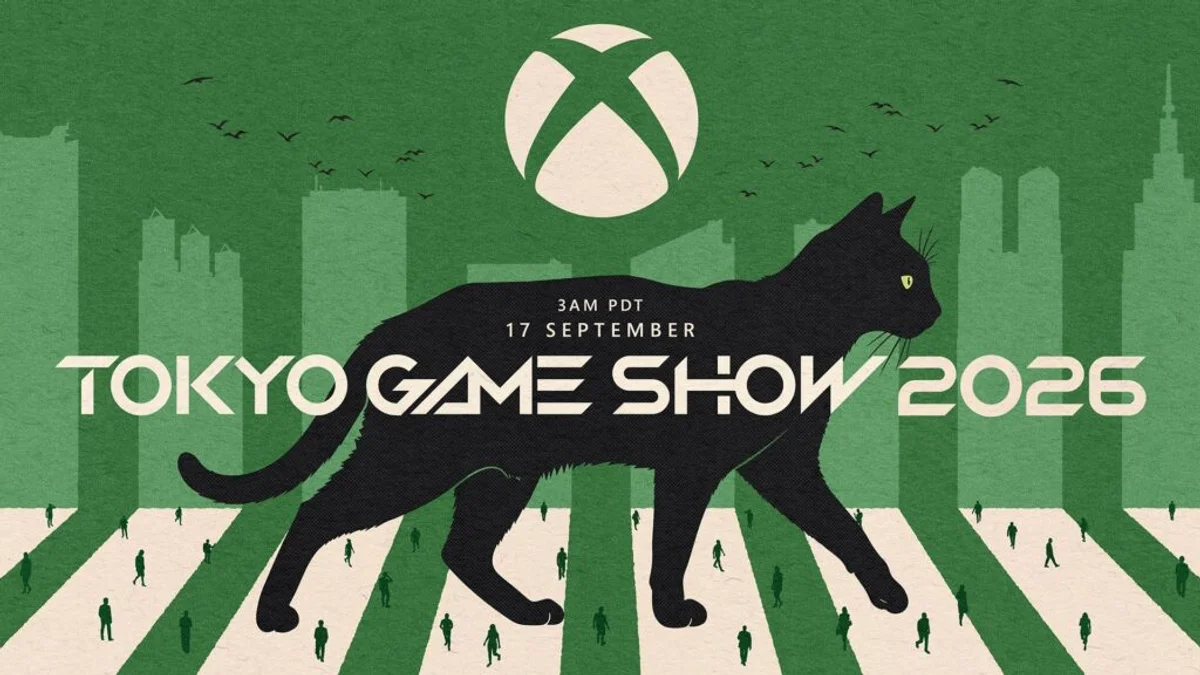
Xbox says the September 17 broadcast contained 17 gameplay reveals and announcements, plus a world premiere and a surprise launch. Activision, Bethesda, Koei Tecmo, SEGA, ArtPlay, Serenity Forge, Netmarble and several Asian developers shared the same program.
For Microsoft, that mix serves a longstanding objective. Xbox still needs a broader catalogue of Asian-made and Asia-focused games if it wants the platform to look less culturally narrow in Japan and surrounding markets.
SEGA gives Crazy Taxi a particularly useful Xbox showcase slot
Crazy Taxi: World Tour was already announced in June, but Tokyo Game Show provided an obvious regional hook with the reveal of its Japanese city.
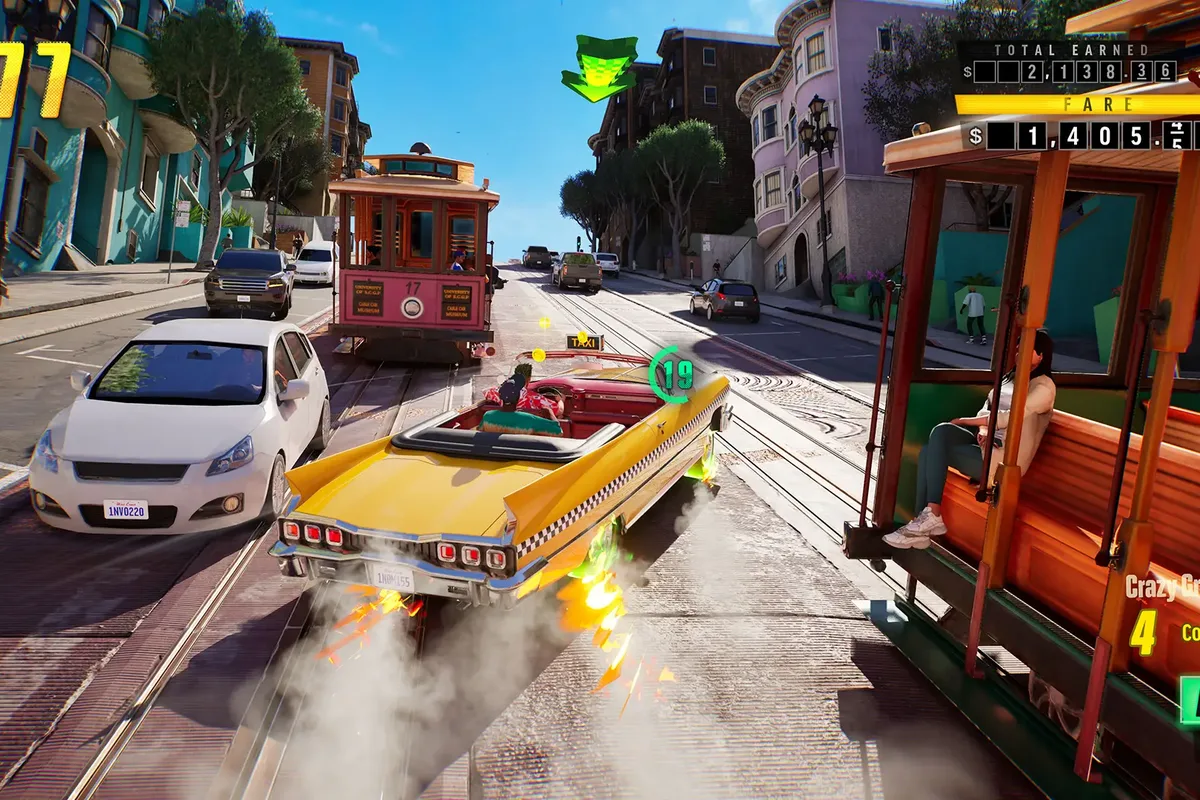
The 2027 game contains five cities, a story campaign, online multiplayer, vehicle customization and a revised classic mode.
Xbox Series X|S and Xbox on PC are part of a broader multiplatform release that also includes PlayStation 5, Steam and Nintendo Switch 2. Microsoft's advantage here is therefore not exclusivity but visibility and ecosystem integration.
Play Anywhere is becoming a recurring part of the pitch
GACHIAKUTA: BREAKOUT, Faraday Blues, Raji: Kaliyuga and several other games in the broadcast carry Xbox Play Anywhere support.
That feature is rarely the most exciting line in a trailer, but it reinforces Microsoft's wider platform strategy: the purchase and save experience should move between console and PC without making the player treat them as separate libraries.
Tokyo Game Show gave the company a set of Asian and Asia-inspired projects to place directly inside that structure.
Game Pass offers a discovery route for smaller launches
Raji: Kaliyuga is heading to Game Pass, while Shape of Dreams launched into the service during the broadcast itself.
For a major franchise, Game Pass is one commercial component among many. For a mid-sized or independent project, it can be the main way a curious player encounters the game at all.
That does not guarantee retention, sales or long-term success. It simply removes the initial separate-purchase decision for subscribers.
The projects themselves are increasingly difficult to put in one box
Bloodstained: The Scarlet Engagement remains recognizably metroidvania but adds a dual-protagonist structure and a larger world. Gachiakuta is adapting an anime as a survival action RPG. Raji is abandoning the first game's isometric presentation for full third-person action.
Faraday Blues goes in another direction entirely with three interconnected visual novels, character cards and 64 announced endings.
They do not naturally form a genre category. For Xbox, they serve a common catalogue function: giving the platform distinctive releases between the giant marketing events.
Japan remains a long-term project, but the content is changing
Microsoft is marking 25 years of Xbox and more than two decades in Japan. The company also says the number of Japanese development and publishing partners it works with continues to grow.
A showcase is not evidence of commercial success on its own. Hardware sales, software engagement and subscription adoption need a much longer view.
The broadcast does provide something more concrete than corporate messaging: Xbox now has enough regional partners to construct a Tokyo show that is not simply a sequence of American first-party games with Japanese subtitles.
That is less dramatic than an acquisition. It may be more useful in the long run.