
Elden Ring begins after its most important history has already happened.
The wars are old, the royal family is broken and its gods have already made disastrous choices. The player enters the Lands Between as an archaeologist with a sword.
The world explains itself through debris
George R. R. Martin contributed to the mythology behind the setting. FromSoftware then does what it does best: presenting that history after collapse.
A weapon description, a ruined church or the impossible scale of a corpse can carry more narrative weight than a conventional exposition scene.
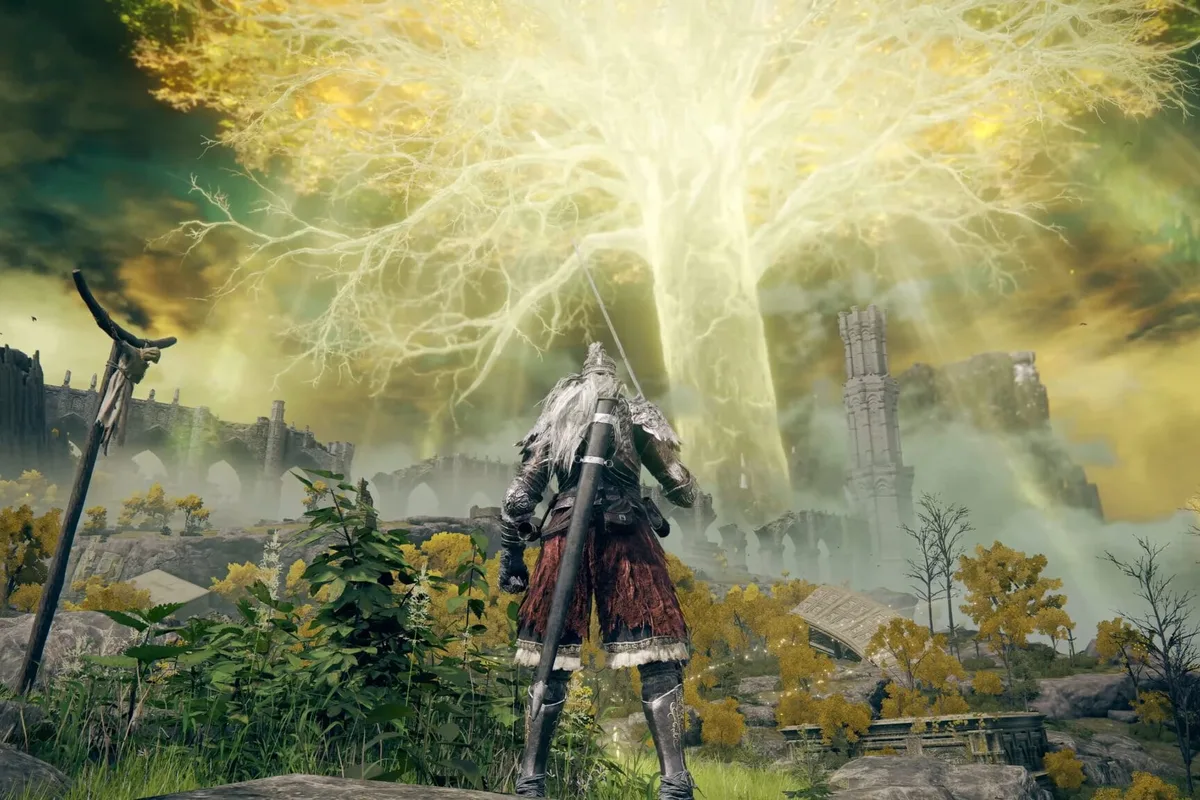
That approach is central to why contemporary reviews from GameSpot and Eurogamer found the Lands Between so compelling. Exploration creates narrative context as often as it creates loot.
Every region has a visual argument
Limgrave offers deceptive pastoral calm. Liurnia sinks academia into flooded melancholy. Caelid looks diseased before the player learns exactly why. Leyndell turns political power into monumental architecture.
The Erdtree makes almost every exterior view part of the same mythology.
Elden Ring's graphical technology was never the main attraction. Composition is.
Its characters refuse to behave like quest markers
Ranni, Blaidd, Fia, Alexander and Millicent can vanish from one location and reappear somewhere the player may never think to revisit.
That makes meetings feel discovered rather than scheduled.
It also creates one of the game's clearest weaknesses. Some of its most affecting character stories are unnecessarily difficult to follow without documentation.
Beauty is constantly contaminated by something grotesque
The Lands Between rarely allows grandeur to remain clean.
Royal bloodlines produce cursed bodies. Golden divinity exists beside grafting, rot, flame and deformity. Noble architecture is full of corpses and locked chambers.
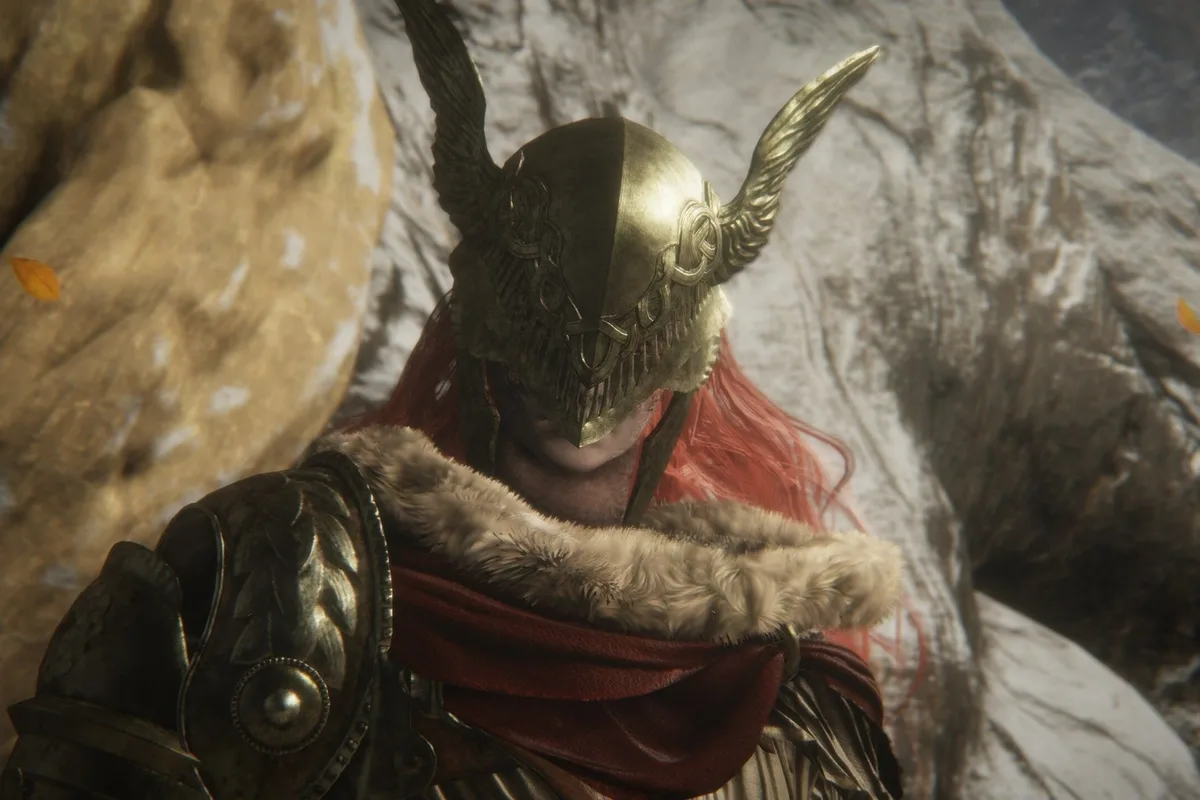
Malenia embodies that mixture perfectly: heroic silhouette, tragic history and a disease catastrophic enough to reshape an entire landscape.
Mystery works better for mythology than logistics
Not understanding Marika's motives after one playthrough feels intentional and productive.
Not understanding that an NPC moved to an unmarked corner because an invisible state changed can feel like paperwork.
Elden Ring sometimes asks the same kind of obscurity to serve two very different purposes.
The world keeps functioning after the credits because it remains arguable
A completely solved mythology would be less interesting.
Elden Ring gives players enough evidence to support interpretations while leaving enough uncertainty for disagreement. That balance has helped the setting persist well beyond its 2022 launch.
Expansions, spinoffs and a forthcoming film adaptation now surround the property, but the original game remains its most powerful cultural object.
The first ride into Limgrave still introduces the Lands Between better than any encyclopedia could.