

Time travel is more useful than dramatic
The Epoch lets the game move through different ages of Eterra, revisiting places before and after wars, empires and supernatural disasters. Structurally, it is an excellent ARPG device. New enemies and radically different environments can appear without forcing the world into a single continuous geography.
The plot itself is far less successful. PC Gamer described tuning out during the opening hours, while IGN's much more favorable review still identified the story as poorly told. Other reviews similarly praise the systems more readily than the campaign.
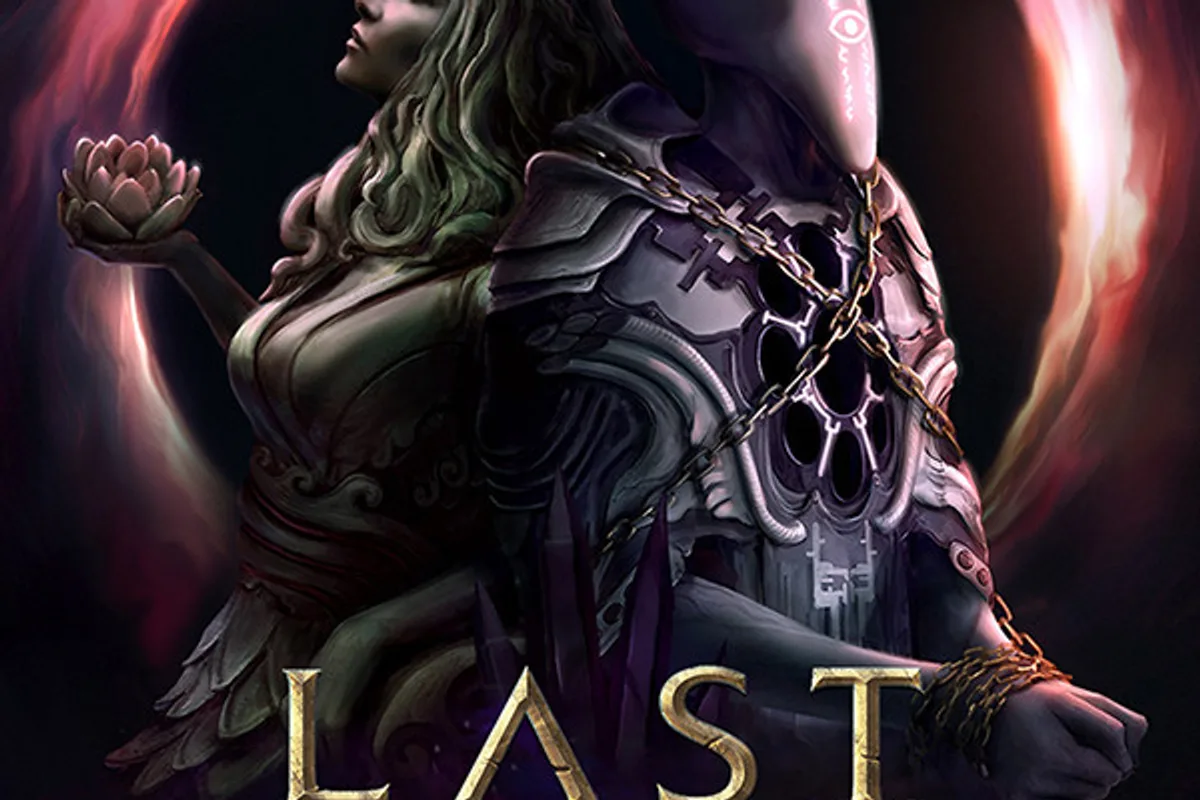
Classes have more character than characters
Last Epoch becomes much more expressive when a mastery is chosen. A Runemaster, Falconer or Void Knight has a clear mechanical identity, and specialization trees allow that identity to become increasingly personal.
Those choices often communicate more about the player's character than dialogue does. Builds are memorable because they change how the world is approached; many story figures mainly exist to point toward the next section of it.
Eterra benefits from changing eras
The timeline premise gives the art team permission to move between ruined futures, ancient civilizations and brighter natural environments. The resulting variety is one of the setting's strengths.
Consistency is weaker. Last Epoch's visual identity does not always have the instant specificity of its mechanical design, and the independent production values remain visible in animation, staging and environmental polish.
The endgame makes better use of the fiction
Monolith of Fate turns alternate timelines into an actual progression structure. Different branches, modifiers and rewards give the temporal premise a mechanical purpose after the campaign.
That is where Eterra feels most coherent. The story may fade quickly, but the idea of pushing into another timeline because it contains a useful challenge or piece of gear fits Last Epoch perfectly.