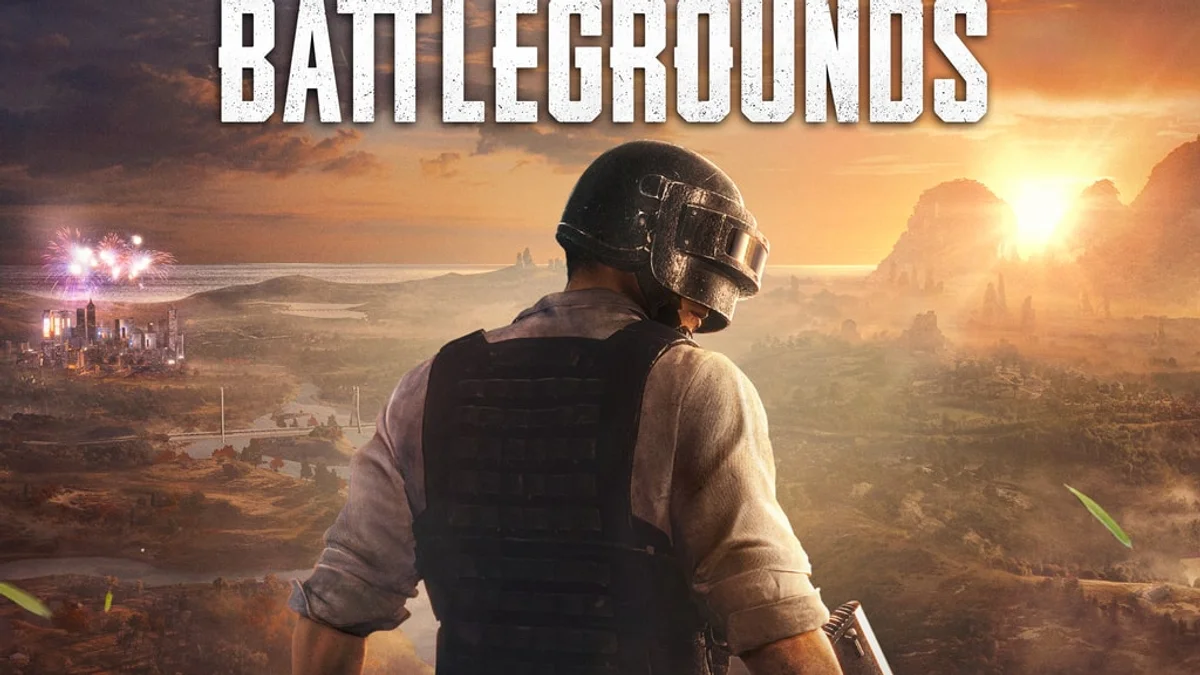
Opening PUBG in 2026 produces a strange contrast.
Passes, collaborations, events, UGC, Arcade playlists and new cooperative projects make the surrounding service look thoroughly contemporary.
Then the plane appears, the map spreads beneath one hundred players and the game becomes brutally simple again.
It popularised an entire multiplayer language
Parachuting, looting a house, reading a shrinking circle and surviving until everybody else is dead now sounds generic.
In 2017, PUBG helped make that structure mainstream.
Fortnite, Apex Legends and Warzone subsequently made battle royale faster, more spectacular or more character-driven. PUBG retained much more of its original austerity.
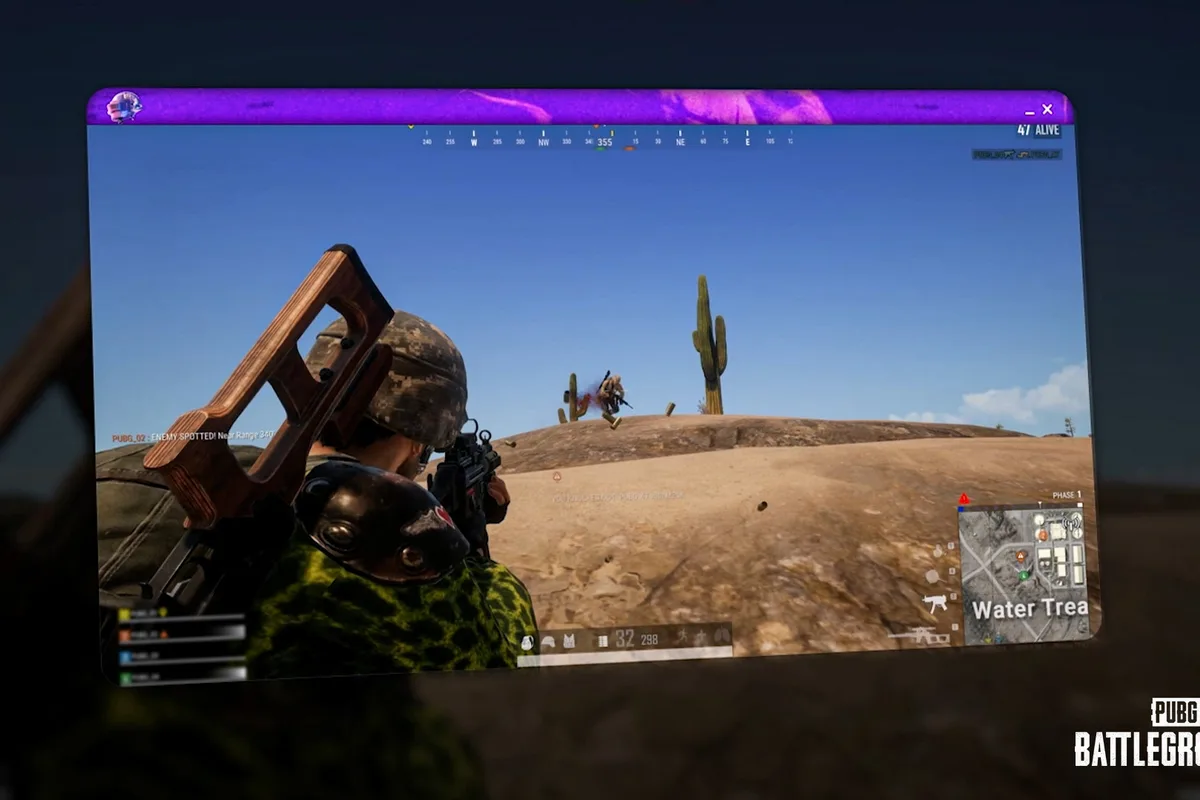
The absence of a protagonist became part of the personality
PUBG never needed heroes or an elaborate explanation for its deathmatch.
PC Gamer criticised the narrative vacuum in 2018, yet that emptiness also leaves room for player stories.
A ruined car, abandoned teammate or impossible sniper shot becomes the anecdote instead of scripted lore.
Its quiet periods now feel almost culturally defiant
Modern multiplayer design frequently treats unfilled attention as a problem.
PUBG can still spend several minutes on looting and migration before one bullet removes a player from the match.
That inefficiency is precisely what gives encounters weight.
Krafton nevertheless wants PUBG to become broader than battle royale
The 2026 roadmap explicitly describes an out-of-game experience where joining a standard BR match is no longer the only destination.
Rumble, Arcade, UGC and projects such as Xeno Point and PAYDAY extend PUBG's gunplay into roguelite and cooperative-heist structures.
The irony is difficult to miss: one of gaming's most copied formulas is now borrowing structures from the industry it helped reshape.
UGC is the clearest platform ambition
Krafton says Alpha creators have already produced arenas, Gun Game, parkour and even professional training spaces.
The next stage adds more devices, rules and a dedicated discovery environment.
PUBG is nowhere close to becoming Roblox, but its future is clearly being designed around more than a single official ruleset.
Even monetisation systems are showing their age
Krafton's own roadmap calls the Workshop's double-gacha structure a major source of frustration.
A new seasonal experiment will remove that double-probability layer to determine whether a simpler economy improves satisfaction.
That is the unusual maintenance problem of a nine-year service: old monetisation architecture eventually requires redesign like any other system.
Competitive culture keeps the centre serious
Ranked and esports continue to emphasise survival, consistency and measurable performance.
That helps preserve PUBG's grounded competitive identity even as increasingly colourful cosmetics accumulate around it.
The outfit can be absurd. The recoil pattern still is not.
Newcomers inherit nine years of accumulated knowledge
The redesigned seventeen-chapter Basic Training finally acknowledges the size of that learning burden.
Free-to-play access removes the financial barrier. It cannot remove nine years of memorised terrain and weapon behaviour.
The game still creates better anecdotes than mythology
PUBG keeps expanding outward, yet its strongest stories can still involve two people trapped around a single piece of cover.
Battle royale has evolved dramatically since 2017.
Few successors have replaced the particular humiliation of spending twenty minutes successfully avoiding ninety-nine players before discovering the last survivor had already seen you.