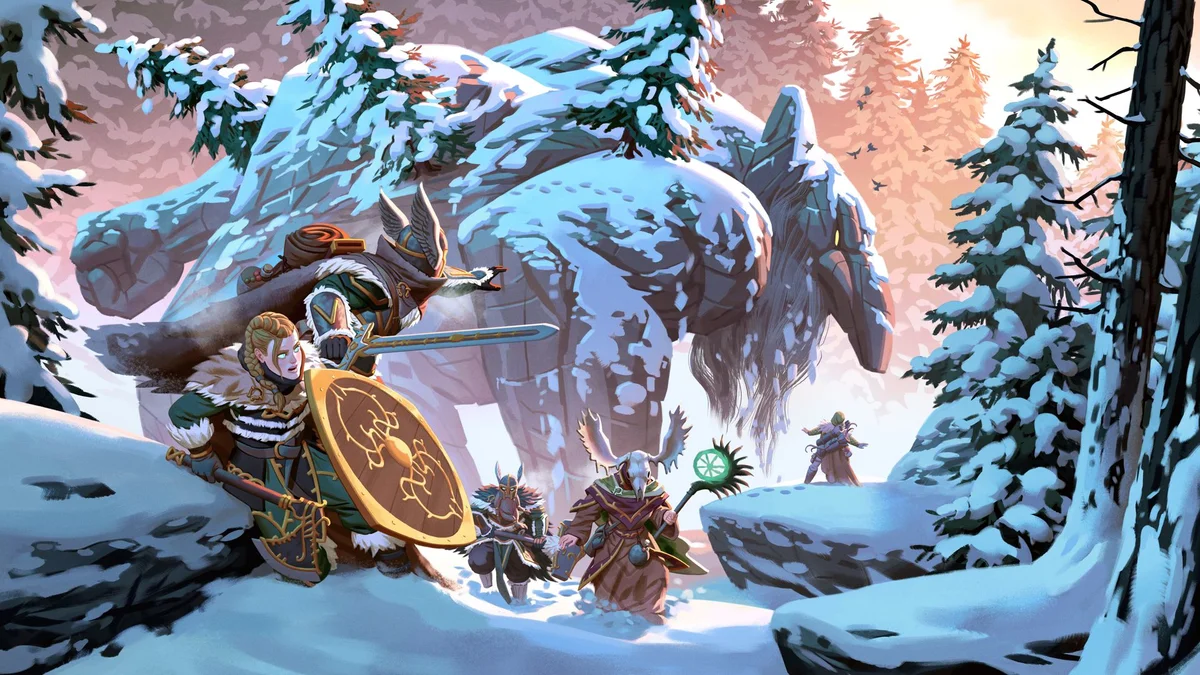
Valheim starts as survival and ends as a collection of memories
There are barely any characters to hold conversations with, no traditional quest log and very little mandatory exposition for long stretches. On paper, Valheim should be narratively empty.
Yet 1.0 reviews repeatedly return to memorable incidents rather than written plot: spotting Odin in the darkness, seeing Thor cross a storm, surviving an ocean voyage or stumbling back into a humble house after an expedition has gone catastrophically wrong.
This is not conventional storytelling. It is a game that supplies a setting, rules and enough resistance for anecdotes to acquire structure on their own.
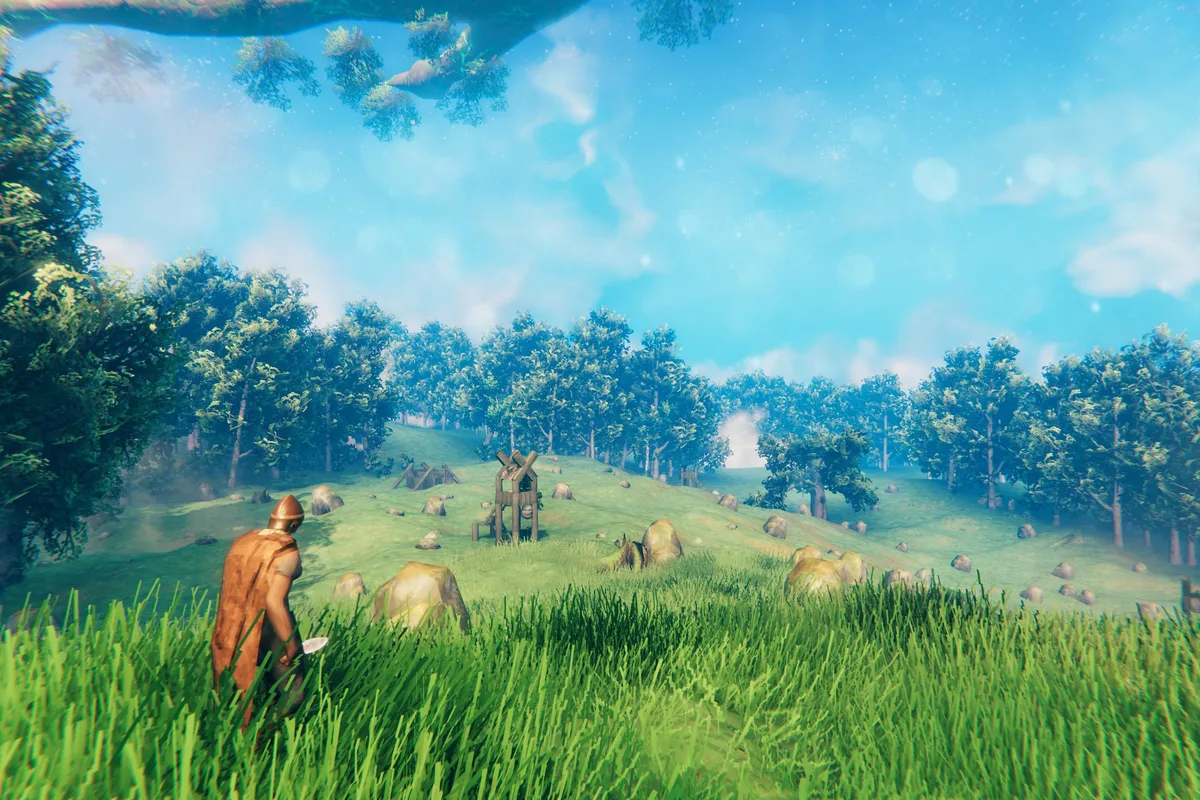
Home is the real central character
One of the most persistent images across reviews is not a giant boss. It is the return home.
Outside, the world may be wet, freezing, poisonous, burning or simply packed with creatures trying to kill you. Then a door closes, the fire crackles, food is cooking and broken equipment returns to the workbench.
That contrast gives Valheim a domestic quality few survival games achieve. Building is not merely another progression system. A house gradually becomes the place that makes every expedition matter.
MMORPG.com's review is particularly strong on this point, describing how hundreds of hours become attached to lodges, kitchens, castles and settlements rather than a scripted sequence of missions.
Norse mythology appears just often enough to retain mystery
Valheim borrows heavily from Norse myth without drowning the player in explanations. You are a fallen warrior sent into the tenth world to defeat Odin's enemies. Most of what follows is conveyed through creatures, landscapes, runestones, music and occasional divine appearances.
That restraint is why a silent glimpse of Odin in a forest can carry more weight than another dialogue scene explaining who he is.
Version 1.0 adds animated dream sequences following major victories and now provides an actual ending. PC Gamer describes them as welcome rather than essential, which captures the balance: Valheim has gained more explicit narrative without becoming dependent on it.
In co-op, mistakes become stories
The game changes character with friends. Someone forgets food. Somebody else loses the boat. A third person decides the mountain looks like a shortcut.
Valheim's systems allow those mistakes to become actual episodes. Portal restrictions mean some resources must travel physically. Seas are dangerous. Death leaves equipment behind. A logistical problem can therefore become an evening-long adventure without a designer ever writing a quest called Recover The Lost Ore.
It also explains why the grind works better socially. Players are not only sharing labor. They are sharing disasters.
The rhythm suffers when hardship stops creating stories
The same philosophy has limits. Swamps, parts of Mistlands and Ashlands are repeatedly mentioned as moments when repetition or obstructed visibility overwhelms the sense of discovery.
At those points, the game demands time without always creating a worthwhile anecdote in return. Solo players feel this more strongly because resource gathering has no social layer to soften it.
The Deep North carries a similar tension. Critics praise its atmosphere and finality while also noting recycled enemy types and some familiar dungeon language.
A real ending changes everything before it
The most important symbolic addition in 1.0 may simply be the existence of credits.
Since 2021, Valheim has been an enormous world whose ultimate promise moved alongside development. Now the Meadows genuinely lead somewhere. Every defeated boss belongs to a completed journey.
The sandbox remains available afterward, so completion does not close the world.
But a Viking saga benefits from finally having a last chapter.