
The Continent did not need a new script
Eleven years have passed, yet the dramatic core of The Witcher 3 remains remarkably difficult to fault. Geralt is still searching for Ciri while wars, monsters and political ambitions compete over the Continent. The remaster makes no attempt to rewrite that story or retrospectively adjust its characters to 2026 expectations.
That absence of new narrative content could look like a lack of ambition. It instead resembles a sensible understanding of the material. The dilemmas that built the game's reputation rarely depend on a simple choice between virtuous reward and evil punishment. They work because information is incomplete, characters lie, and Geralt sometimes has to choose before knowing what his decision will break.
Characters that did not need a literary facelift
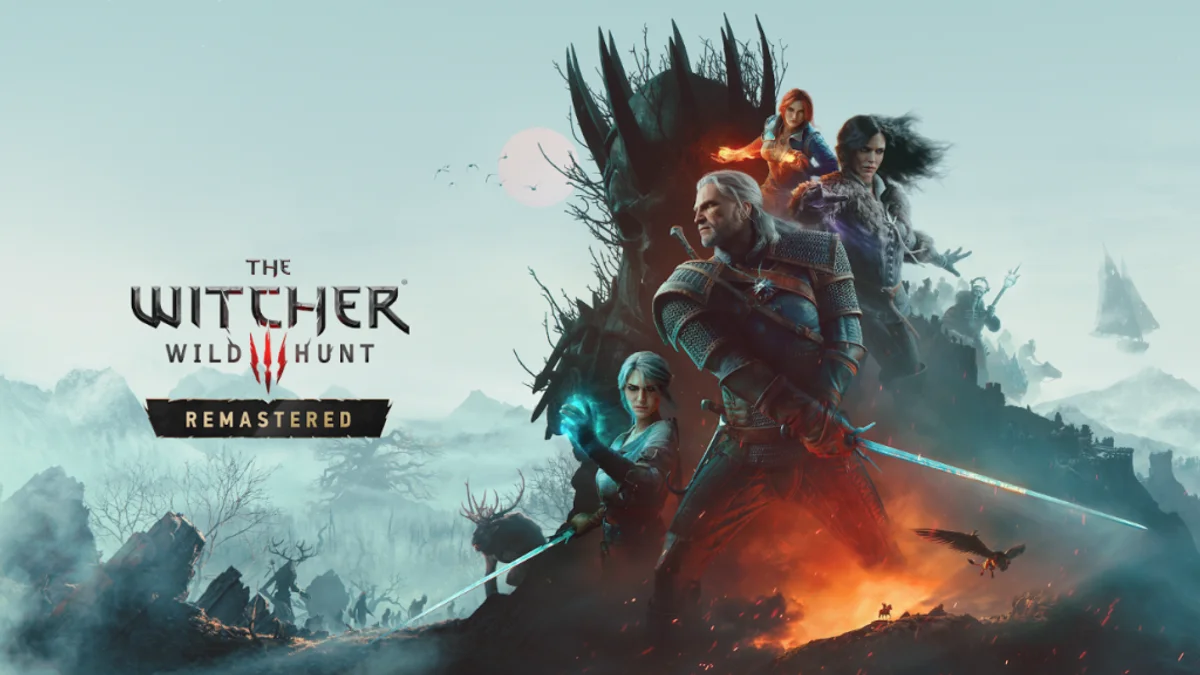
Ciri remains the engine of the plot without being reduced to someone waiting to be rescued. Yennefer, Triss, the Bloody Baron, Dijkstra and the enormous supporting cast retain the contradictions that made their quests memorable. Witcher contracts and apparently peripheral stories likewise continue to provide some of the game's strongest short-form narratives.
Age is easier to see in staging. Textures and lighting can be extensively modernized; certain body animations and dialogue transitions still clearly belong to an RPG built in the middle of the 2010s. The contrast can be amusing: a newly detailed face still performs an eleven-year-old gesture.
Velen remains Velen, even with more light
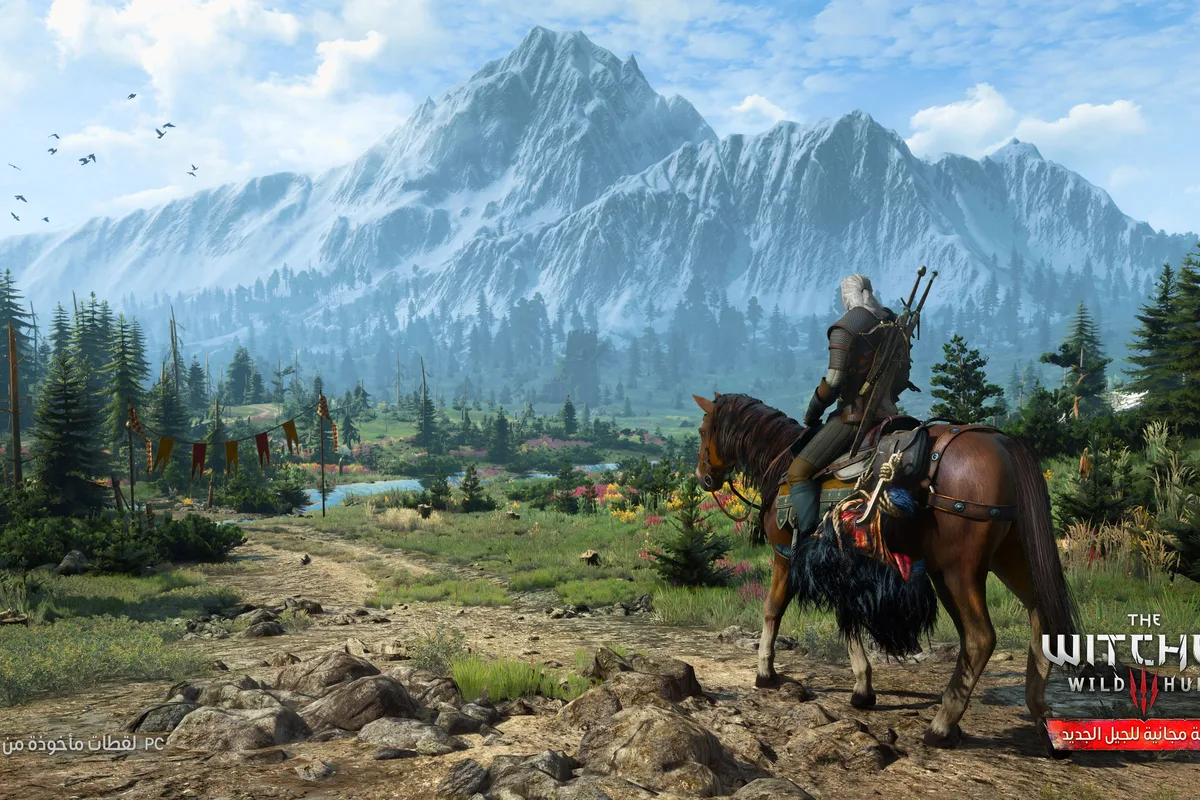
The new presentation subtly changes how locations feel. Velen keeps its swamps, Skellige its harsh landscapes and Toussaint its Mediterranean warmth, but revised lighting makes the world brighter overall. That improves readability and reveals more detail; it can also occasionally soften the visual gloom associated with memories of the original.
That aesthetic question matters more here than in a purely functional remaster because The Witcher 3's regions tell stories as effectively as its dialogue. The work does not erase their identity, but it demonstrates that superior technology does not automatically reproduce exactly the same atmosphere.
Two expansions that are no longer appendices
Hearts of Stone and Blood and Wine are part of the remastered package and become available at no additional cost to base-game owners. Narratively, that changes the scale of the package more than any new texture. The former tightens the writing around a more intimate and cruel story; the latter gives Geralt a territory deliberately contrasting with the rest of the Continent.
The remaster therefore arrives with an enormous amount of story without pretending that story is new. Songs of the Past is separate: the third paid expansion is scheduled for 2027 and is not part of Remastered.
Restoration rather than reinterpretation
Old saves can be resumed, including playthroughs dating back to early versions. It is almost the perfect metaphor for the project. The Witcher 3 Remastered does not ask players to forget the previous game and accept its replacement; it allows them to resume the Path where they left it.
For anyone who knows every turn through Novigrad, no modernization can make its revelations new again. Yet the narrative, dialogue and characters withstand another visit better than several of the original game's mechanical systems. The remaster wisely refuses to confuse technical aging with a need for rewriting.