
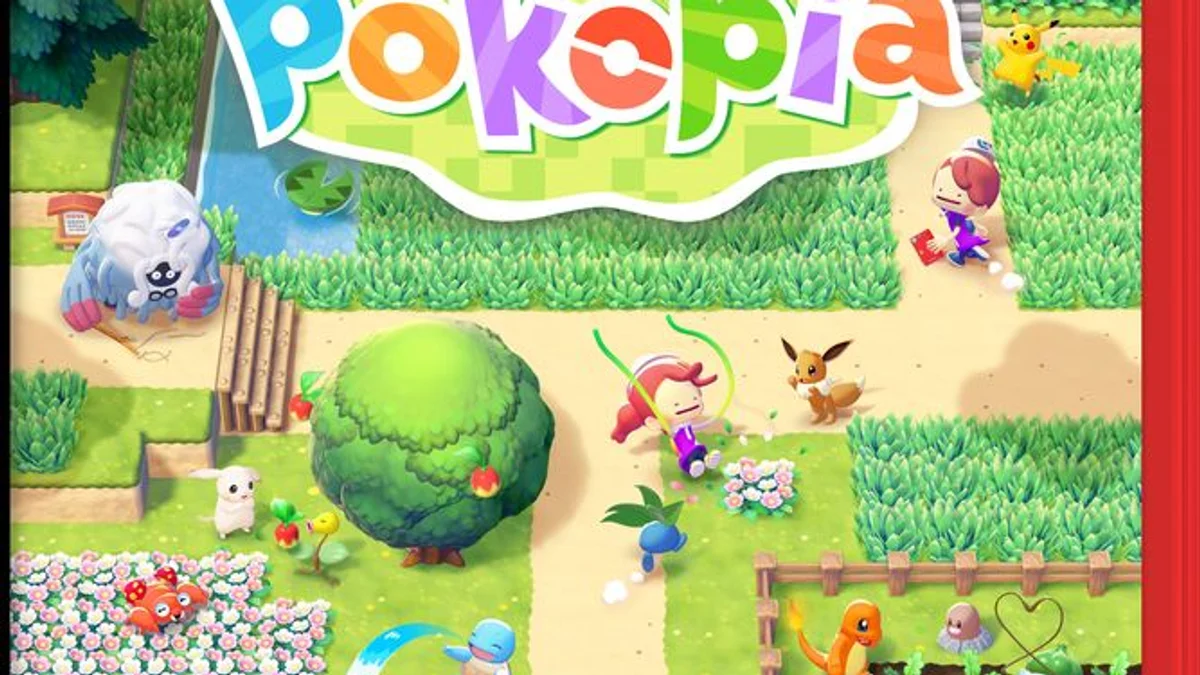
Pokémon has experimented with plenty of genres over three decades, but Pokopia arrived with a particularly clear strategic question. Could the franchise make everyday life with Pokémon the primary product rather than a side activity around battles?
The first commercial answer is five million copies. The Pokémon Company and Nintendo announced the milestone on August 14, covering physical and digital sales following the game's March 5 worldwide release.
It is already operating at major first-party scale
Nintendo's June 30 figures provide a useful, if imperfect, benchmark. Pokémon Pokopia stood at 3.68 million units then. Donkey Kong Bananza was at 4.78 million and Mario Kart World at 15.39 million, with Mario Kart's total including bundled copies.
Pokopia has now crossed five million, so it has moved beyond Bananza's June figure. The reporting dates are different, which prevents a clean current ranking, but the scale is no longer ambiguous.
Nintendo also reported a Switch 2 installed base of 23.68 million systems as of June 30. Comparing today's Pokopia milestone with that older hardware snapshot gives a rough equivalent of about 21 percent. It should not be presented as a synchronized attach-rate measurement.
The genre shift is the important part
Pokopia does not simply place familiar characters inside a conventional Pokémon RPG. Ditto rebuilds settlements, learns utility moves from other Pokémon, gathers construction materials and creates habitats that encourage different species to move in.
That approach supports comments made by senior Game Freak staff before release about exploring Pokémon experiences that are not primarily built around battling. Five million sales give that discussion considerably more commercial weight.
Development itself reflects that experiment
The Pokémon Company describes Pokopia as planned and co-developed by The Pokémon Company, Game Freak and Koei Tecmo Games. Nintendo distributes the title outside Japan.
Using an external partner with experience outside the mainline Pokémon production structure gives the brand room to test another large genre without asking the core RPG series to absorb every idea at once.
Five million is becoming the starting point for a longer cycle
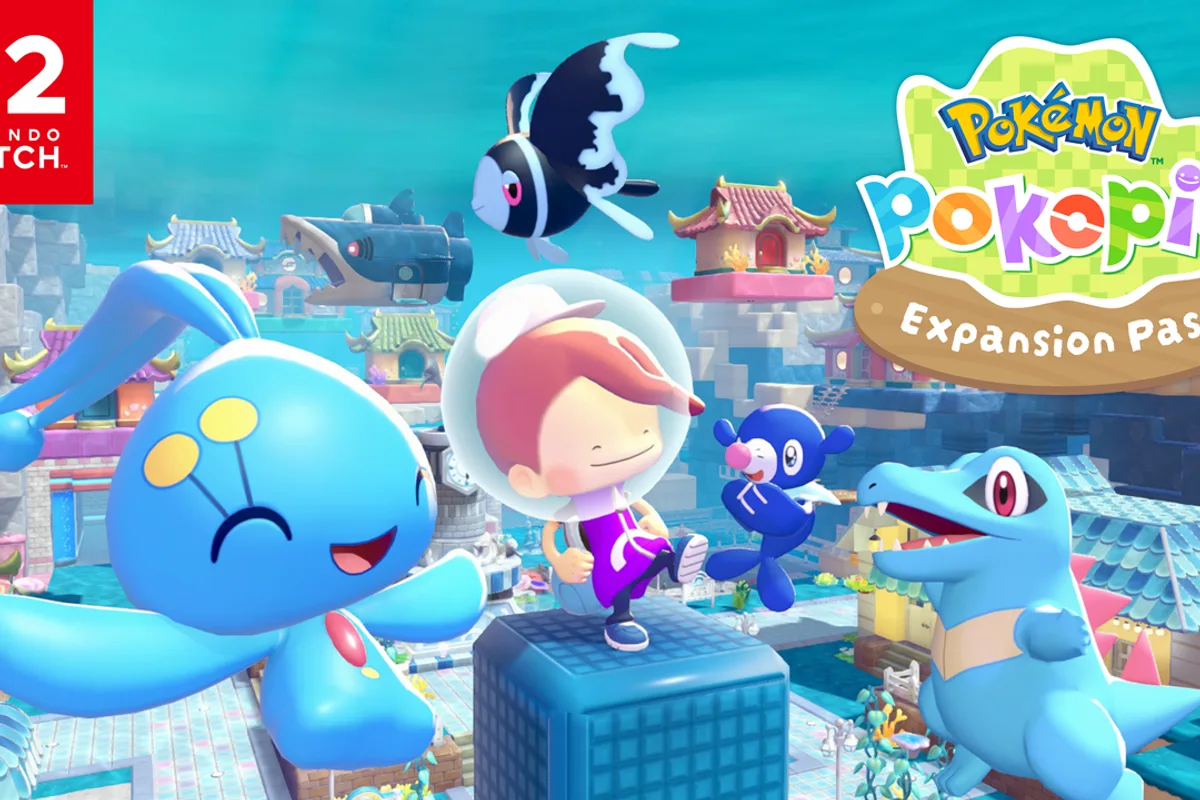
Bubbly Basin arrived on August 5 as Part 1 of a three-part paid Expansion Pass. A free update released alongside it added Dive and underwater construction to the base game for players who meet the progression requirements.
Part 2 is planned for winter 2026, while Part 3 is due in 2027 with another town. The question around Pokopia is therefore shifting from whether this unusual Pokémon spin-off could sell to how long Nintendo and The Pokémon Company can keep its community active.