
The apocalypse looks strangely comfortable
Pokémon Pokopia begins in a world where humans are gone. Ruined Pokémon Centers, broken roads and abandoned structures remain behind while nature slowly reclaims them.
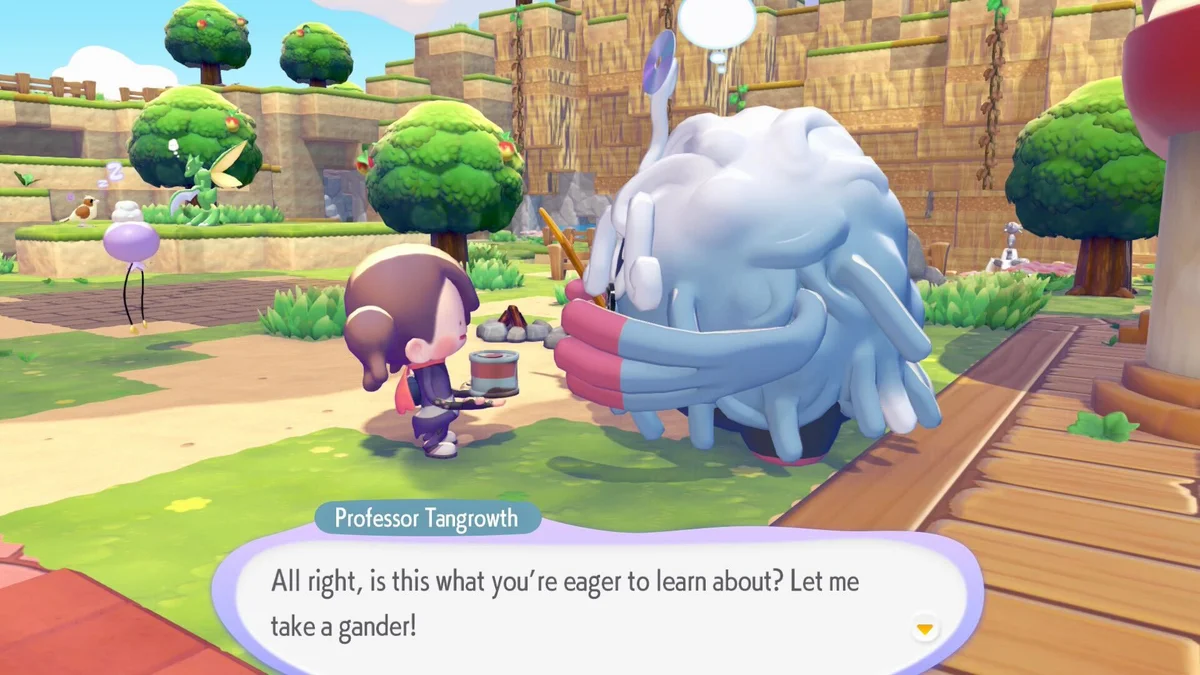
Professor Tangrowth is one of the few residents waiting when Ditto wakes up.
Playing as a Pokémon changes the social contract
GameSpot compares Pokopia's perspective shift to Pokémon Mystery Dungeon. Ditto may wear a roughly human shape, but the other Pokémon recognise and speak to it as another Pokémon.
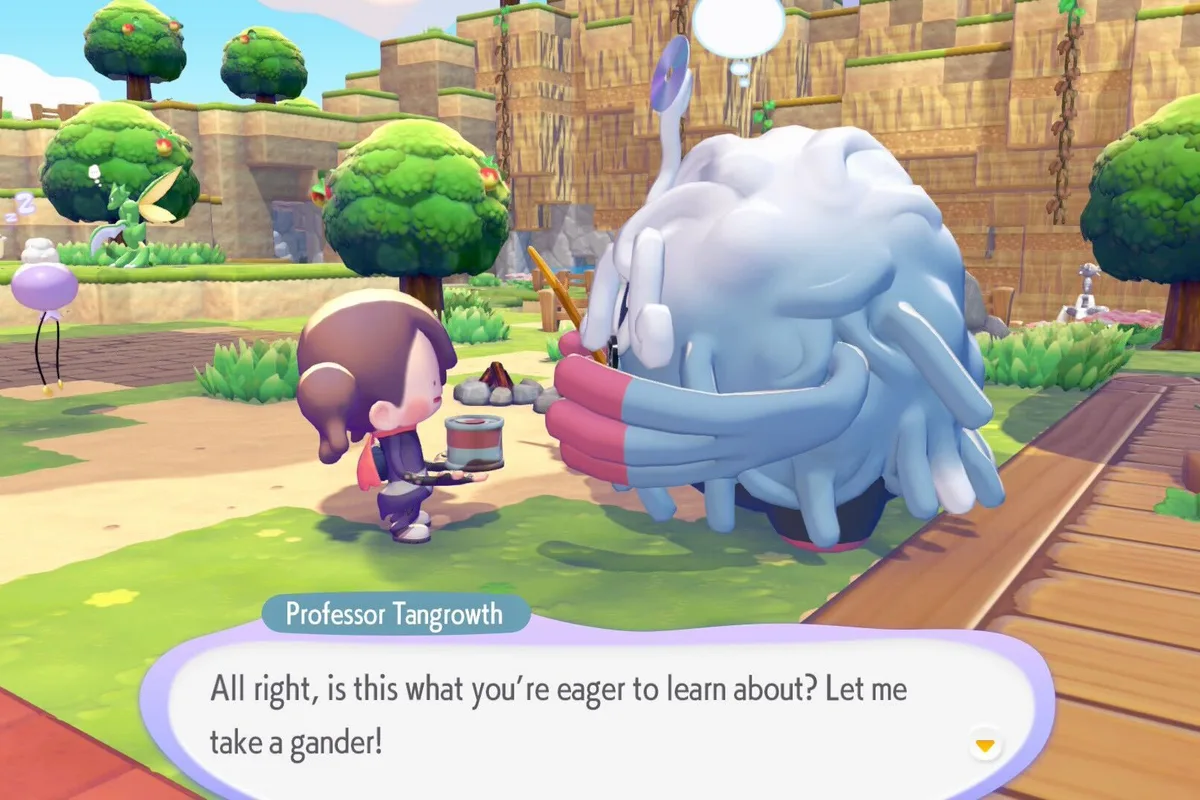
There is no trainer relationship underneath that conversation. New residents arrive because a suitable environment has been created for them, and they participate as neighbours rather than possessions.
Kanto returns as archaeology
Nintendo Life later argued that Pokopia uses nostalgia unusually well. Familiar pieces of Kanto survive as damaged roads, old facilities and recognisable geography rather than pristine recreations waiting to be admired.
Recognition comes with responsibility: this place has to be rebuilt.
Cute characters carry unexpectedly sad histories
Mosslax has slept long enough for vegetation to grow across its body. Peakychu is an exhausted Pikachu whose electrical ability has burned out. Named Pokémon repeatedly use familiar designs and then disturb them just enough to suggest that the world's collapse affected individual lives.
The writing rarely becomes oppressive. GameSpot praises its warmth and humour, while IGN highlights a story considerably deeper than its gentle builder presentation initially suggests.
A community can create small unscripted stories
Pokopia's routines are not complicated simulations, yet critics repeatedly describe moments where they become convincing. A Pokémon moves house. Another sleeps near a fire. Someone else wanders into the background of a photograph.
The illusion works because these creatures have somewhere to be when the player is not issuing commands.
The ruins remain underneath everything
Exploration reveals old records, bunkers, hidden chambers and traces of human activity. GameSpot reports discovering substantial secret spaces many hours into the adventure, including areas hidden surprisingly close to the beginning.
The central mystery never prevents Pokopia from being relaxing. It simply gives the act of rebuilding an emotional context.
Pokémon finally makes coexistence the entire game
The franchise has always spoken about humans and Pokémon living together. Pokopia removes the usual trainer hierarchy and asks what that coexistence looks like at the scale of houses, food, habitats and neighbourhoods.
That makes this cheerful builder one of Pokémon's more interesting cultural experiments.