
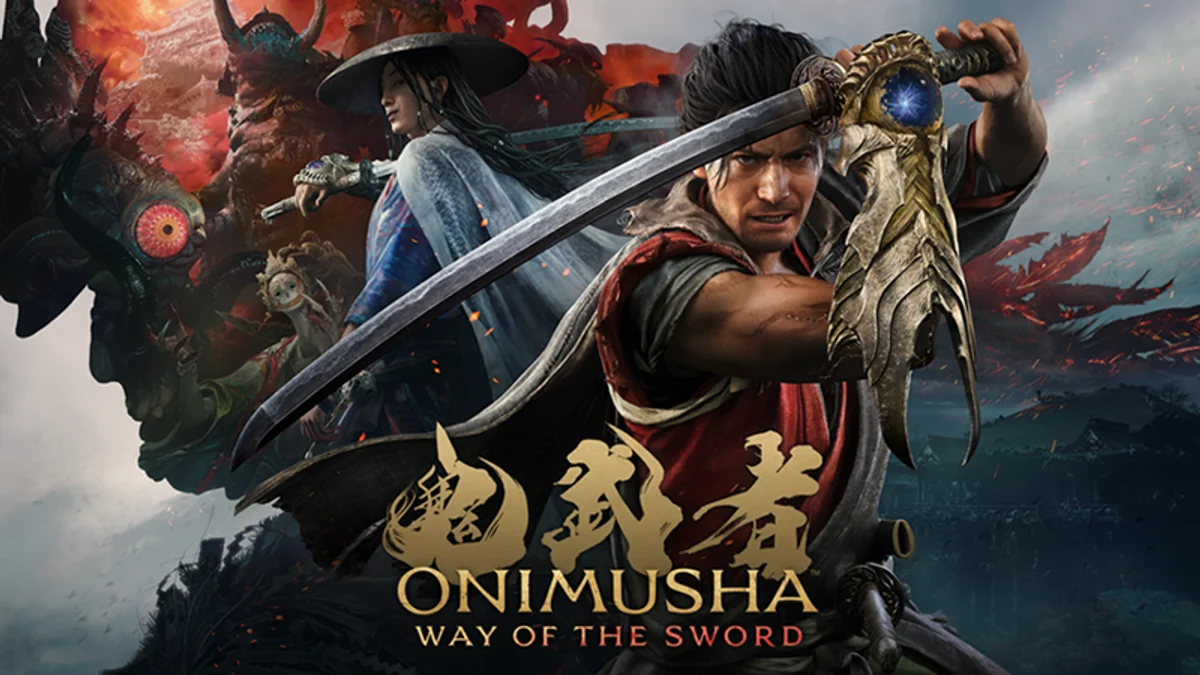
Capcom's September 7 announcement deliberately connects Way of the Sword's sales milestone to a broader corporate strategy.
The company says it is working to reactivate properties that have gone long periods without new releases while continuing its regular flow of major current franchises.
Onimusha is now the easiest example available. The game launched September 4 and sold more than one million units worldwide on its first day.
Twenty years of inactivity did not erase the brand
A dormant franchise creates an uncomfortable business problem. Recognition may still exist, but there is little recent sales data to prove that a new large-scale production will convert nostalgia into purchases.
Modern digital catalogs, remasters and persistent online communities make that gap easier to bridge. A property can remain culturally visible long after its regular release schedule disappears.
Way of the Sword has turned that visibility into a measurable launch.
Capcom reduced uncertainty before release
The company repeatedly distributed playable demos and brought the game to hands-on events before launch.
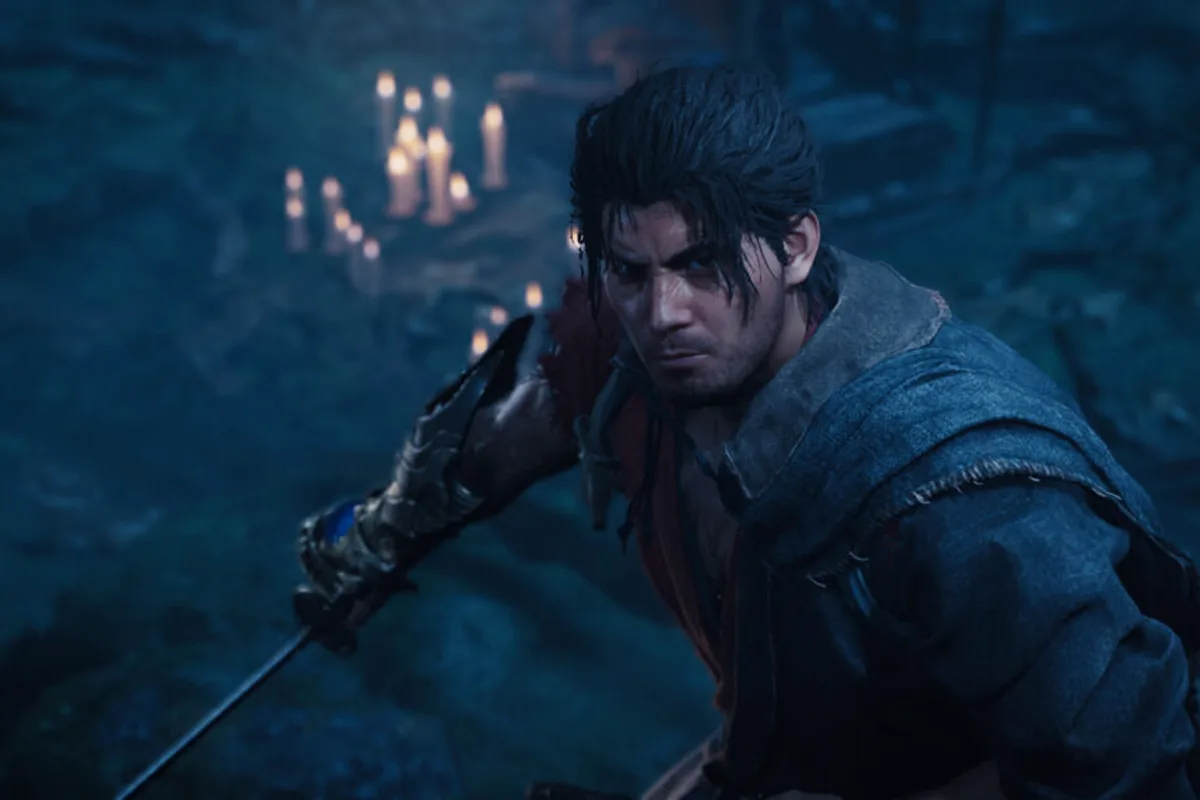
That was a practical way to market a revival. Established fans already knew the Onimusha name. What they did not know was whether a 2026 version could preserve its identity while competing with modern action games.
The demos made swordplay the answer: parries, deflections, Issen timing and multiple defensive systems gave players something current to evaluate before buying.
The revival was also designed for a new audience
Way of the Sword is not structured as a numbered continuation that assumes detailed knowledge of earlier plots.
Miyamoto Musashi leads a new story set in Edo-era Kyoto. Returning players recognize Genma, Oni powers and soul absorption, while newcomers can begin without reconstructing two decades of continuity.
Capcom also gives the project cultural recognition outside the games themselves by modeling Musashi's face on legendary samurai-film actor Toshiro Mifune.
Capcom is turning its back catalog into an active portfolio
The strategic implication is wider than Onimusha. Capcom owns enough older properties that each successful revival expands the number of commercially credible options between its established blockbuster cycles.
This does not mean dormant series replace Resident Evil, Monster Hunter or Street Fighter. It means those archives can become production candidates rather than static intellectual property.
A million-unit launch day makes that argument considerably easier to finance.
The next decision now has actual data behind it
Onimusha has passed 10 million cumulative sales since the original game launched in 2001.
Way of the Sword already contributes more than one million of those units after one day.
Capcom has not announced what comes next for the series. It now has a much better reason to ask the question.