Polyarc is ending active development after nearly twelve years. Its closure statement thanks employees and players before directing hiring studios toward a list of developers now seeking work.
GeekWire reports 29 employees are affected, including founders Tam Armstrong, Danny Bulla and Chris Alderson.
As of September 12, Polyarc has not announced an acquisition, buyer or more detailed explanation for the final shutdown.
The financial break became public in March
On March 31, Polyarc announced what it called a significant reduction in company size after a major project was canceled.
The studio said a team-wide attempt to secure funding afterward had failed. UploadVR later reported that the project lost its funding in December 2025 and that an attempt to secure third-party publishing support was unsuccessful.
Former DevOps director Alex Holodak told the outlet that roughly two-thirds of the staff were let go. GeekWire reported that Polyarc had been around 52 employees before those cuts.
Polyarc had spent years trying to expand beyond one successful VR series
The company raised $3.5 million in 2016 while developing its first game, then another $9 million in 2020 in a round led by Hiro Capital with participation from Vulcan Capital and Galaxy Interactive.
The later funding was intended to support multiple projects and broaden Polyarc's work beyond VR, including augmented reality.
Glassbreakers: Champions of Moss represented another attempt to expand. The multiplayer project eventually exposed a different pressure point. Polyarc acknowledged that sustaining a free-to-play game required a cadence of heroes, cosmetics and updates that was difficult for a small studio simultaneously developing other projects.
The Forgotten Relic was a deliberate attempt to widen the market
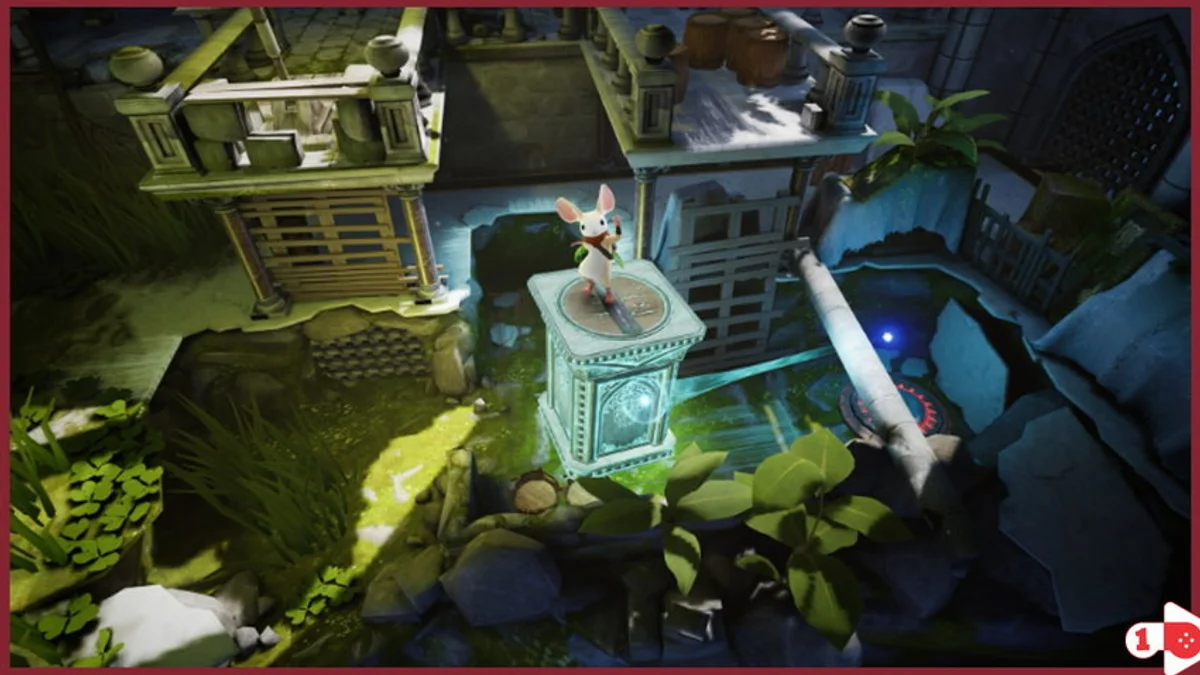
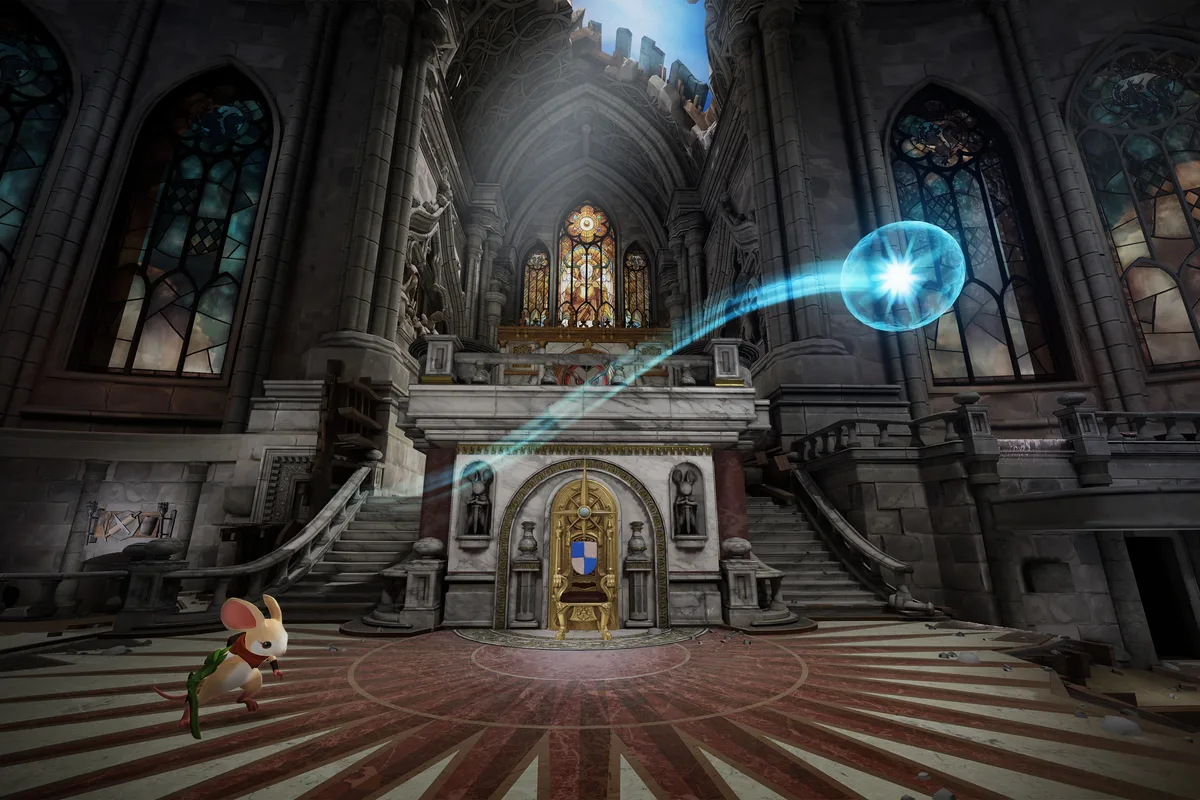
Polyarc announced Moss: The Forgotten Relic in May as a reworked combination of Moss, Moss: Book II and Twilight Garden for conventional displays.
The stated goal was not merely technical. Danny Bulla wrote that moving onto PC and consoles would let more people experience Quill's story and help ensure Polyarc could keep making games in the years ahead.
The game launched July 16 for $19.99 across Steam and multiple console platforms after crossing 100,000 Steam wishlists.
Its user reception remains strongly positive. Polyarc has not released sales data that would justify attributing the shutdown directly to The Forgotten Relic's commercial performance.
The final product was still receiving updates
On September 3, Polyarc released the free Play Together update, adding local couch co-op to The Forgotten Relic.
Eight days later, the studio announced the end of active development.
The sequence is a useful reminder that visible product support and studio stability are not the same thing. A developer can still be shipping content while the financial runway for whatever comes afterward has effectively disappeared.
The VR business around Polyarc was already contracting
Polyarc's March layoffs landed during a broader period of job cuts and closures among immersive-game developers. UploadVR pointed at reductions affecting Meta studios, nDreams, Mighty Coconut and Cloudhead Games among others during 2026.
Calling Polyarc's closure simply another VR failure would nevertheless miss an important detail. By September, the studio had already moved its largest property onto standard consoles and PC without a headset requirement.
The clearest public problem in Polyarc's own account remained financing: one major canceled project, followed by an unsuccessful attempt to replace its funding.
The company is gone before the IP question is answered
Polyarc has not said what happens next to the ownership or long-term operation of Moss.
Its announcement also provides no detailed plan for future support of The Forgotten Relic and does not rule in or rule out another company eventually using the franchise.
The statement is definitive about one thing only: the current studio has finished its work.
For a company created to explore a new medium, and which ended by rebuilding its signature game to escape the limits of that medium, the final obstacle turned out not to be technology. It was keeping a studio funded long enough to make the next thing.