
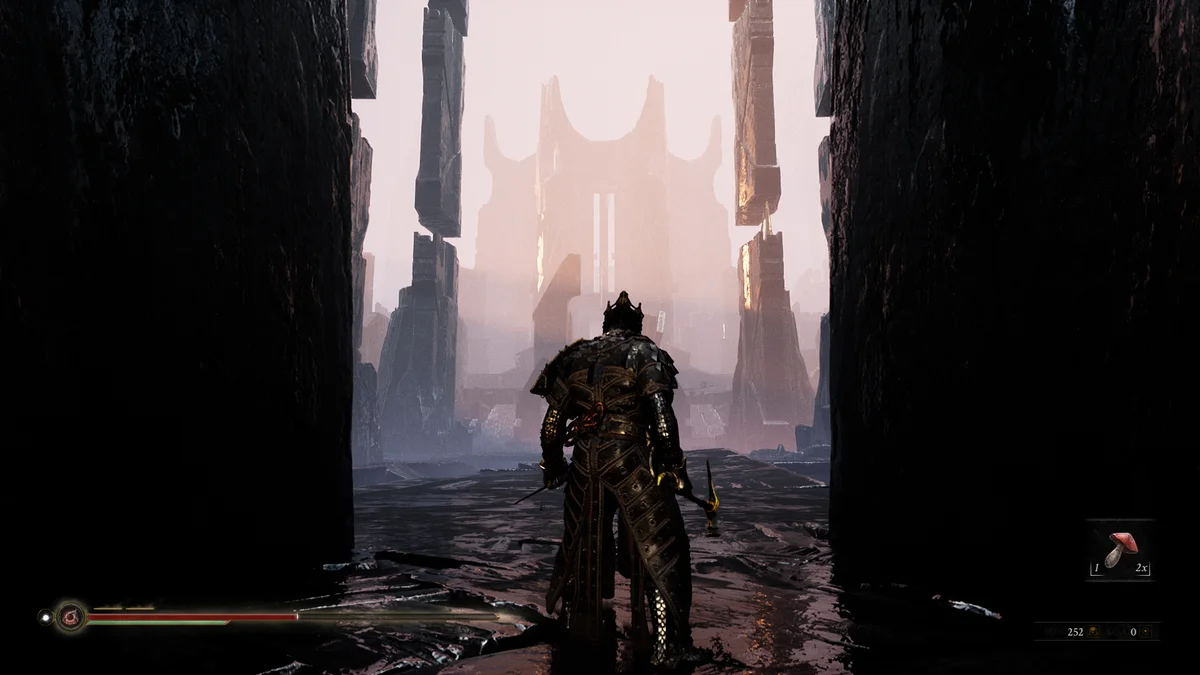
Fallgrim arrives with a familiar accent
Mortal Shell makes almost no attempt to disguise the artistic language it inherited from Dark Souls. Tarnished armour, ruined religious spaces, diseased creatures and cryptic NPC monologues establish the comparison before the game's own vocabulary has much time to emerge.
PC Gamer calls the resemblance unusually direct. Push Square reaches essentially the same conclusion while arguing that strong atmosphere and environment design still make the world compelling.
Borrowed bodies are the more interesting idea
The Foundling begins as an almost anonymous creature. Identity comes from inhabiting four dead warriors, each carrying abilities and fragments of a previous existence.
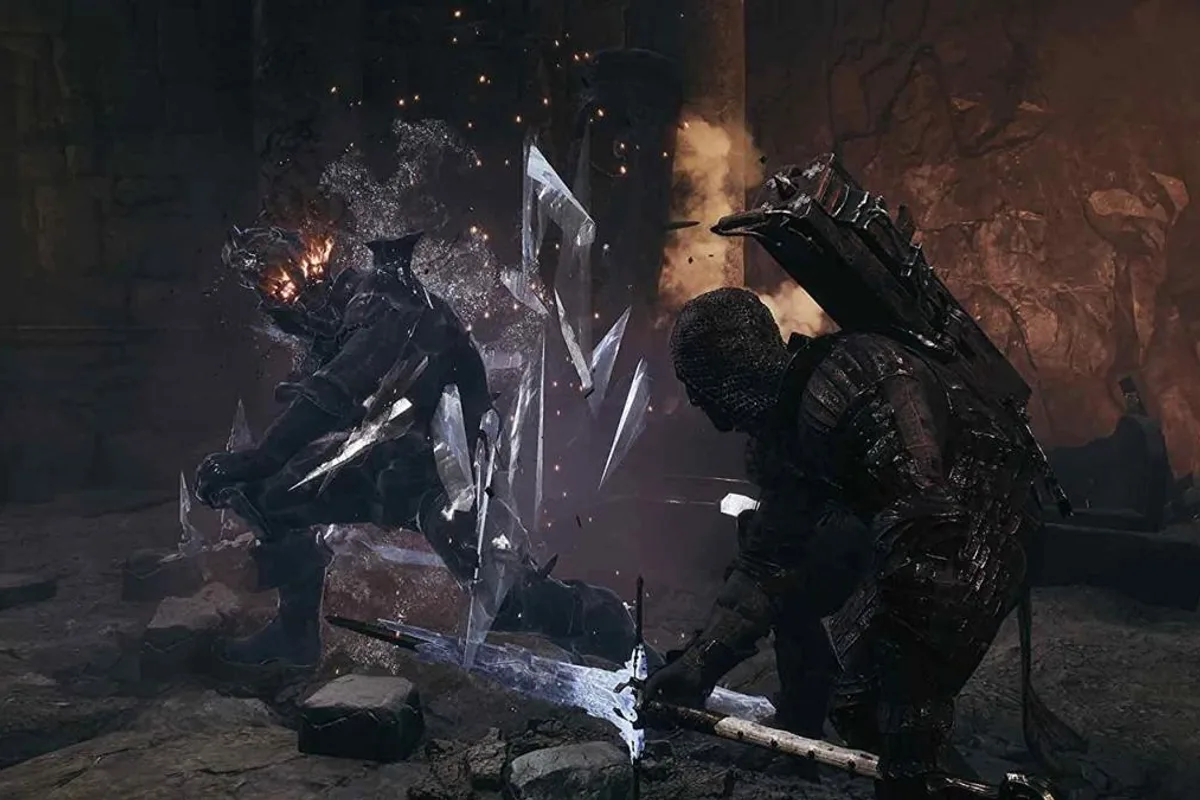
That gives the shell mechanic thematic weight. Changing build means changing body, and character progression becomes intertwined with recovering traces of people who are already gone.
Memory becomes currency
Glimpses are literally spent on progression. Items reveal their properties through Familiarity. Mortal Shell repeatedly treats knowledge as something physical: consumed, recovered and slowly understood.
These systems communicate the world's obsession with lost meaning more effectively than much of the deliberately obscure dialogue.
A lute does surprising amounts of worldbuilding
One of the game's most charming details is the ability to take a lute from an enemy and gradually become better at playing it. It is mechanically trivial, but tonally valuable.
PC Gamer highlighted the moment even before release. Fallgrim becomes more distinctive when its bleakness allows strange humour and mundane rituals to leak through.
Mystery sometimes becomes indistinction
GameSpot praises the strange world while criticising environments that are easy to become lost in. The problem mirrors the narrative. Ambiguity creates atmosphere until too many locations or concepts become difficult to distinguish from one another.
Mortal Shell's story works best as archaeology rather than drama. The player reconstructs impressions from architecture, objects and fragmented dialogue; memorable relationships or strongly developed characters are not really the point.
Its best identity sits underneath the imitation
The game never fully escapes Dark Souls aesthetically. It does not need to pretend otherwise.
What survives the comparison is stranger and more specific: a bodiless creature collecting dead identities, a world where memory is valuable, and small flashes of absurd humanity hidden under layers of mud and metal.