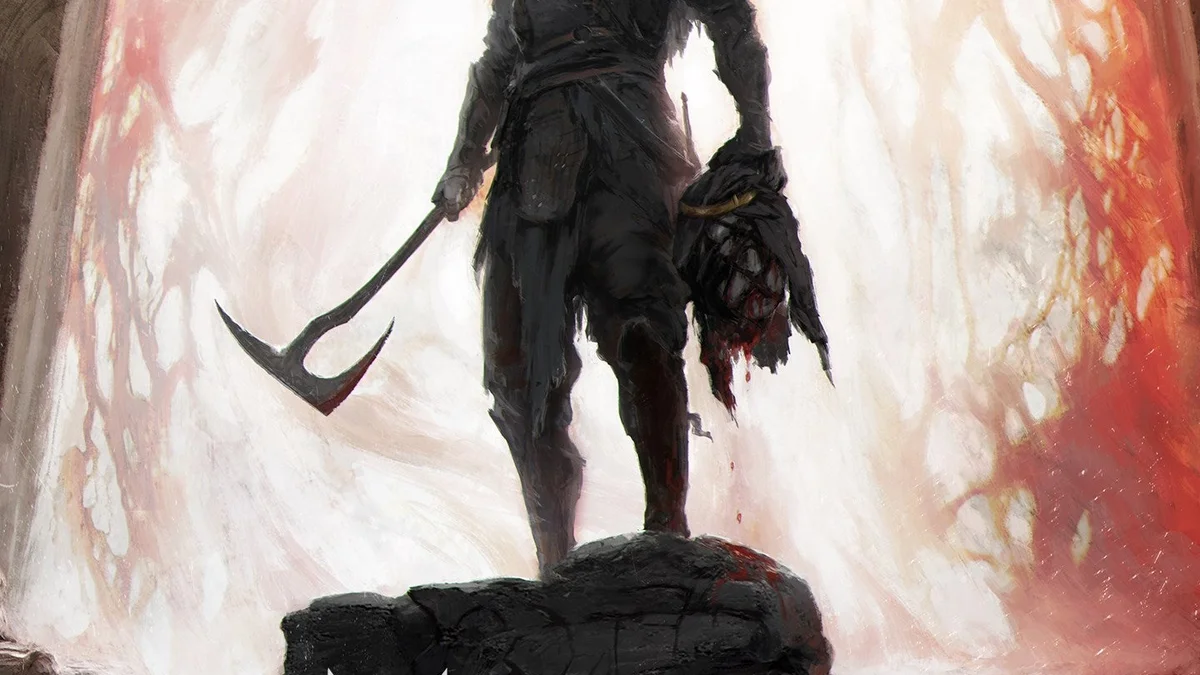
A character sheet made of corpses
The Harbinger remains almost deliberately empty until another warrior's body is inhabited. Mortal Shell II expands that idea to eight Shells scattered across the world, each providing both a combat identity and a dead person's history.
PCGamesN particularly praises the way exploration uncovers those histories. Learning a Shell is therefore not limited to unlocking abilities; the game gradually explains who previously occupied the body now being used as equipment.
The quest sounds like corrupted scripture
The Harbinger is tasked with recovering stolen Ova and returning them to Marrow Keep. False gods, cults and grotesque creatures stand between those eggs and their destination.
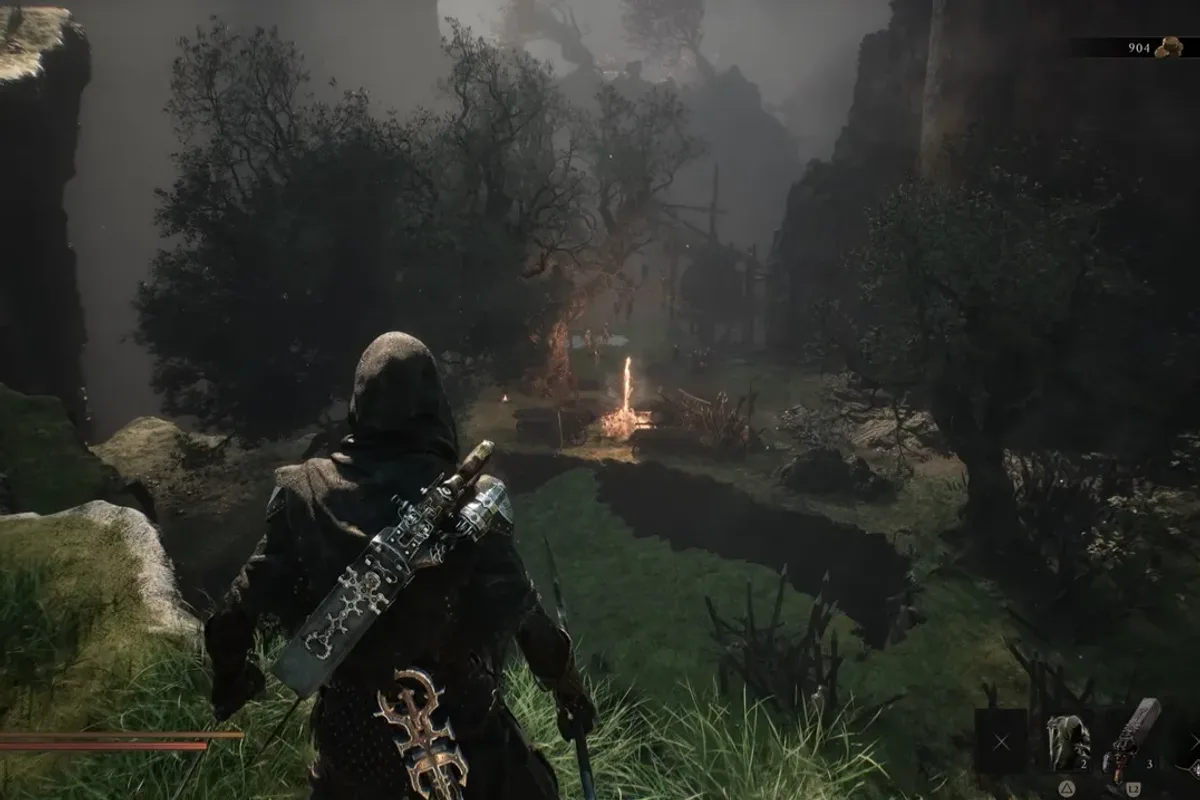
It is exactly the sort of vocabulary Mortal Shell likes: religious without being comforting, biological without being natural.
The world is strongest when it gets weird
GameSpot acknowledges familiar castles and swamps, but also points to far stranger imagery: human teeth carved into cave walls, almost monochrome abbeys interrupted by red foliage, monstrous bosses and enormous structures whose purpose feels forgotten.
Those are the moments when Mortal Shell II stops speaking primarily in the visual language of other Soulslikes.
A larger world creates larger gaps
Critical opinion diverges sharply on exploration. GameSpot finds the interconnected world dense and rewarding. PCGamesN sees hollowness and confusing navigation, particularly when the game provides little direction toward maps or useful paths.
Both readings make sense for a sequel deliberately designed around free exploration. The first Mortal Shell could hide behind compactness; this one has enough geography for its silences to become noticeable.
The Harbinger is more powerful, and the tone follows
The official material explicitly frames the sequel as a dark power fantasy. Executions, medieval firearms and unrestricted attacks create a more aggressive relationship with the world than the first game's cautious survival.
That tonal movement works with the series' fixation on bodies. Shells are still identities to uncover, but they are also increasingly elaborate instruments for violence.
The imitation has not disappeared
Beacons, lost currency and ruined fantasy kingdoms remain immediately legible genre markers.
Mortal Shell II simply has more confidence once those obligations are out of the way. Eight borrowed lives and its grotesque theology give the sequel enough material to build a mythology rather than merely an atmosphere.