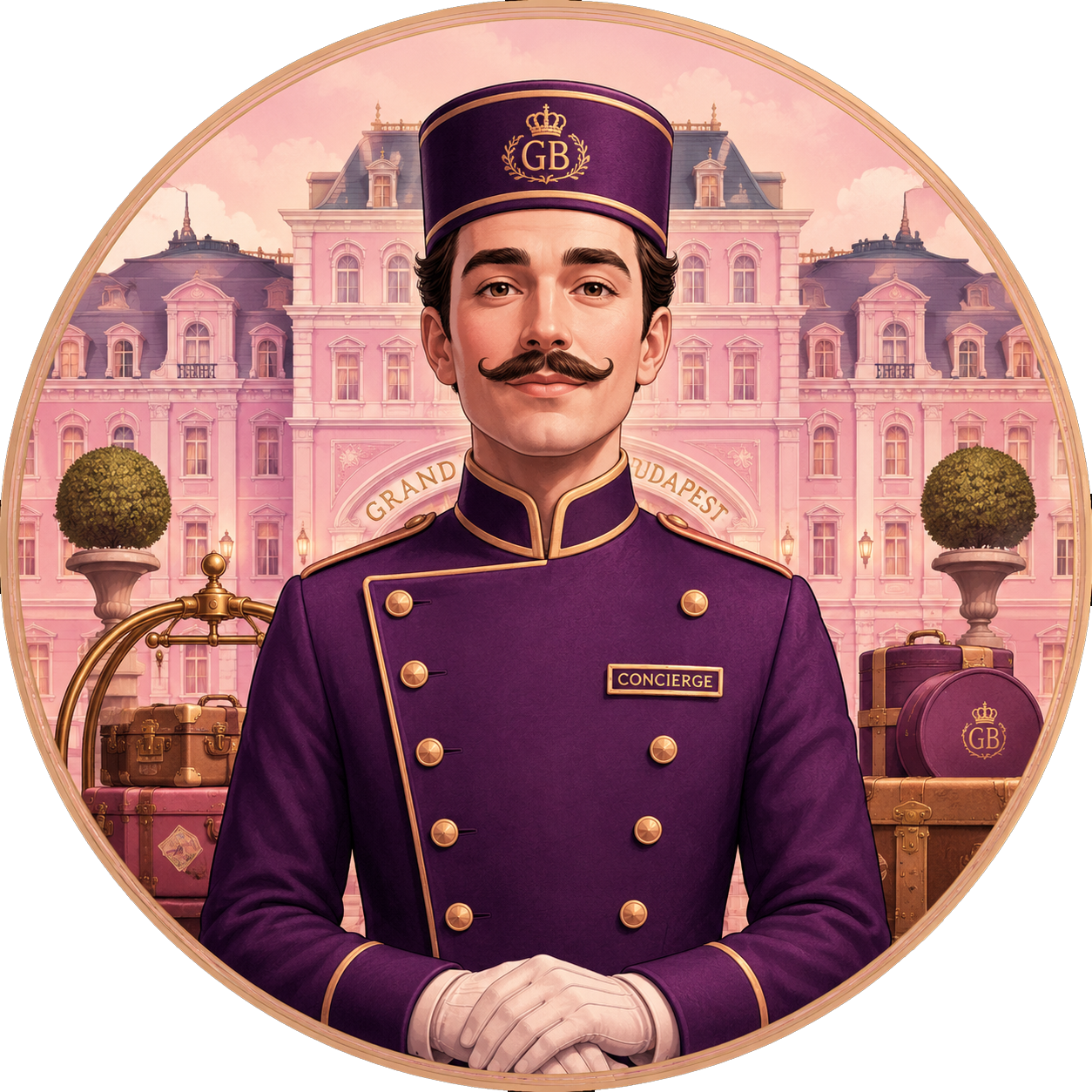
Pokémon stays in one place
Pokémon usually begins with leaving home. Routes lead to towns, towns lead to new landscapes, and progress is partly measured by how far the journey has travelled. Legends: Z-A removes most of that geography and commits to Lumiose City instead.
The cost is obvious. Streets repeat. Wild Zones remain sections of the same metropolis. Districts that represent very different people do not always look different enough to sell that distinction visually. Compared with Hisui's open spaces, the city can feel surprisingly confined.
But remaining in Lumiose also gives Pokémon something it rarely has: enough time for a single place to accumulate characters, conflicts and history.
A continuation of X and Y rather than a museum of references
The game takes place five years after Pokémon X and Y, and that gap matters. Mega Evolution returns, Lumiose has moved on, and the story can revisit Kalos as a place rather than simply borrow its creatures and landmarks.
The Z-A Royale provides an effective excuse to move between social circles. Opponents belong to different groups and parts of the city, allowing individual characters to represent competing attitudes toward Pokémon and urban life. That makes Lumiose more interesting as a narrative space than its repeated architecture initially suggests.
Mega Evolution benefits from the same treatment. Rogue Mega Pokémon are tied directly to the city's problems, while the mechanic also drives some of the game's most dramatic battles. A defining idea from Generation VI finally receives more room than a temporary combat transformation.
The presentation cannot always keep up
Z-A's direction occasionally reaches beyond the tools supporting it. Scenes use more movement and cinematic framing, yet important exchanges still unfold without voiced dialogue. The silence becomes more conspicuous precisely because the staging has become more ambitious.
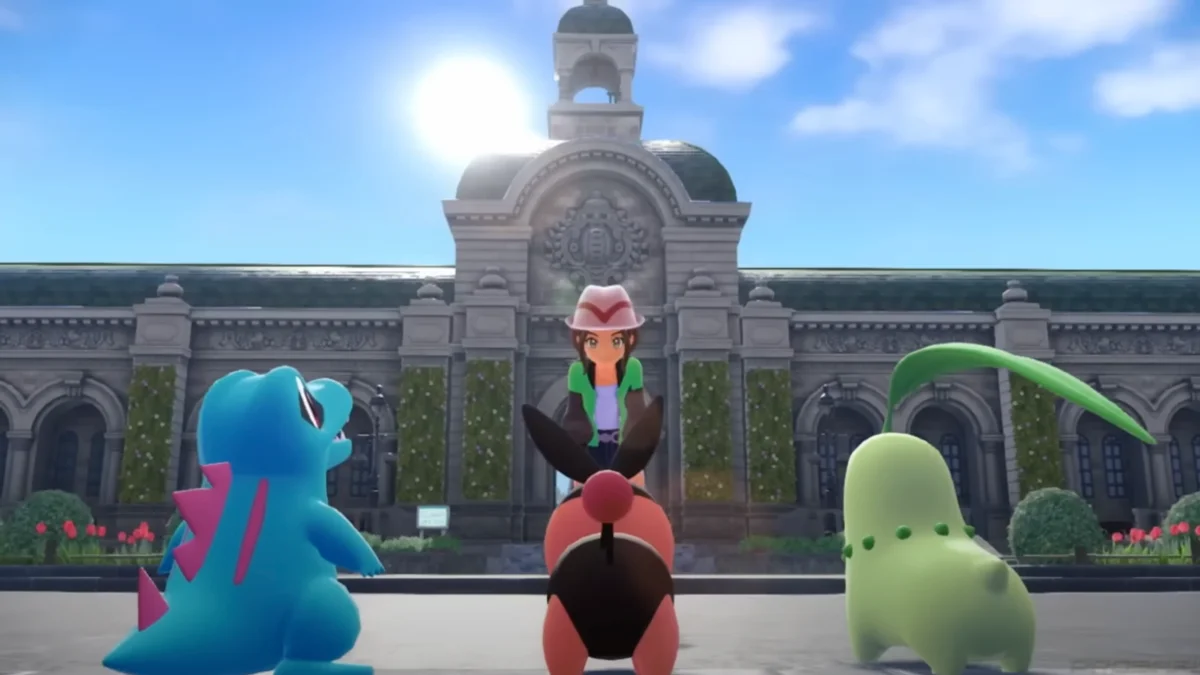
Lumiose suffers a related problem. Its cast suggests a varied city of competing identities; its streets frequently suggest the same grey architecture rearranged into another block. Particular locations break the pattern, but the characters and music often have to provide personality the environment itself lacks.
The soundtrack carries that weight well. Rearrangements reconnect Z-A with X and Y while the newer material gives this version of Lumiose its own rhythm.
What happens when the journey disappears?
The traditional Pokémon sensation of reaching somewhere new never fully returns. Unlocking another part of Lumiose is not quite the same as seeing a new town appear beyond a route, and the longer the game remains in the city, the more visible that limitation becomes.
Yet there is an unusual reward for staying put. Characters can reappear, factions retain context and Kalos is allowed to have a life after X and Y. Pokémon has spent decades creating regions and then moving on from them. Z-A's most interesting cultural choice may simply be deciding that one was worth revisiting properly.