
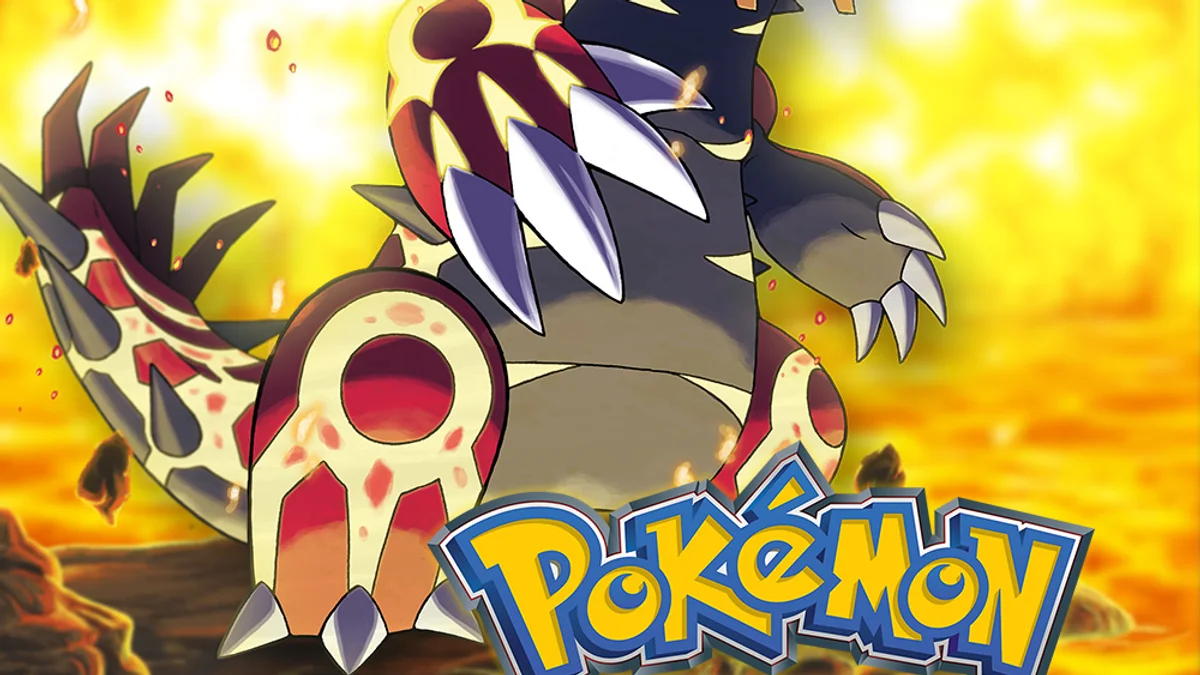
Omega Ruby had to remake something more difficult than a Game Boy Advance cartridge. By 2014, it was remaking people's memory of Hoenn.
Game Freak acknowledges that immediately. The opening deliberately recalls the old Ruby and Sapphire presentation before the 3DS world takes over, establishing a pattern the rest of the game follows: recognition first, reinterpretation second.
Hoenn is faithful until Game Freak decides it should not be
The route remains remarkably familiar. Littleroot, Rustboro, Mt. Chimney, Fortree and Sootopolis still occupy their expected places in the journey.
Then Mauville appears and the old city is effectively gone, rebuilt as a huge enclosed complex.
Nintendo Life noted the strange contrast between areas preserved almost religiously and others transformed to accommodate newer Pokémon systems. That inconsistency is useful. A completely faithful 3D conversion would have been far less interesting.
Team Magma gains personality without gaining much sense
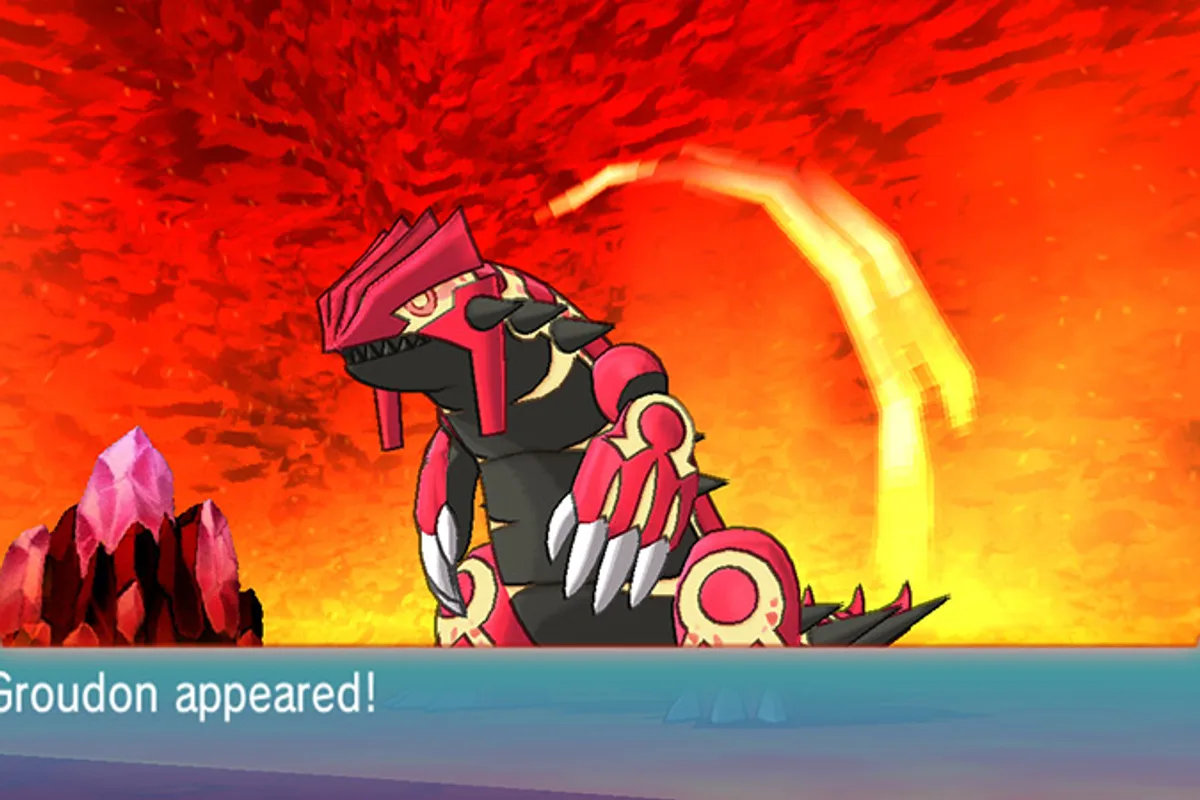
Maxie's objective remains magnificently questionable: awaken Groudon and expand the world's landmass.
The remake does not repair the premise. It gives it presence.
Team Magma's redesign is sharper, character animation gives its members more identity, and Primal Groudon turns the climax into something considerably more dramatic than the Game Boy Advance hardware could suggest.
The writing is still light. Most characters exist primarily to service the player's journey. Wally is the exception that contemporary reviews repeatedly appreciated: a sickly boy helped through his first capture gradually becoming a credible rival near Victory Road.
The soundtrack knows exactly what players remember
Generation III's music was already unusually identifiable, brass-heavy to the point of becoming part of Pokémon fan folklore.
Omega Ruby does not bury that personality beneath cleaner instrumentation. The arrangements modernize rather than replace it. Nintendo World Report singled the soundtrack out as a major strength, praising the nostalgic themes rebuilt with the musical character of the 3DS generation.
Soaring over Hoenn with Latios benefits enormously from that confidence. The feature works mechanically, but music turns the flight into a celebration of the region itself.
The Delta Episode is where the remake stops pretending the past is enough
After the League, a new story introduces Zinnia, a meteor threatening Hoenn, Rayquaza and eventually Deoxys.
The scenario also connects the old region to Mega Evolution lore established by X and Y.
Destructoid highlighted the expanded plot, while other reviews praised the amount of postgame material compared with the relatively thin endgame of X and Y.
It is an effective structural trick. Game Freak spends most of the adventure rebuilding a known route, then allows the remake to acquire a new ending of its own.
Faithfulness becomes an excuse in a few uncomfortable places
The absence of trainer customization is the clearest example.
X and Y had allowed players to change their character's appearance. Omega Ruby removes that feature while preserving Brendan and May, a decision criticized by both GamesRadar+ and Nintendo Life.
The justification is effectively tradition, which is not particularly persuasive in a remake willing to rebuild an entire city.
The same tension affects the story. More expressive models make characters livelier while sometimes revealing how little dramatic material they actually have.
Hoenn itself survives the contradiction. Volcanoes, rain forests, tree villages, enormous seas and the central tension between land and water gave the region a personality strong enough to endure both nostalgia and revision.
Omega Ruby does not overwrite the 2003 memory. It creates a second version of it.