

Raccoon City has been dead for almost three decades, and Resident Evil still has not entirely worked out how to stop talking to its ghost.
Requiem returns with a better idea than simple nostalgia: let a newcomer inherit the consequences while Leon S. Kennedy physically carries the franchise's history back into the ruins.
Grace sees the mythology from the outside
Grace Ashcroft is an FBI analyst rather than a combat veteran. Her connection to Alyssa Ashcroft links her to Resident Evil Outbreak, but she enters this story without Leon's decades of accumulated confidence.
The Guardian praises that vulnerability, while GameSpot highlights Angela Sant'Albano's fearful performance as an important part of making Grace believable.
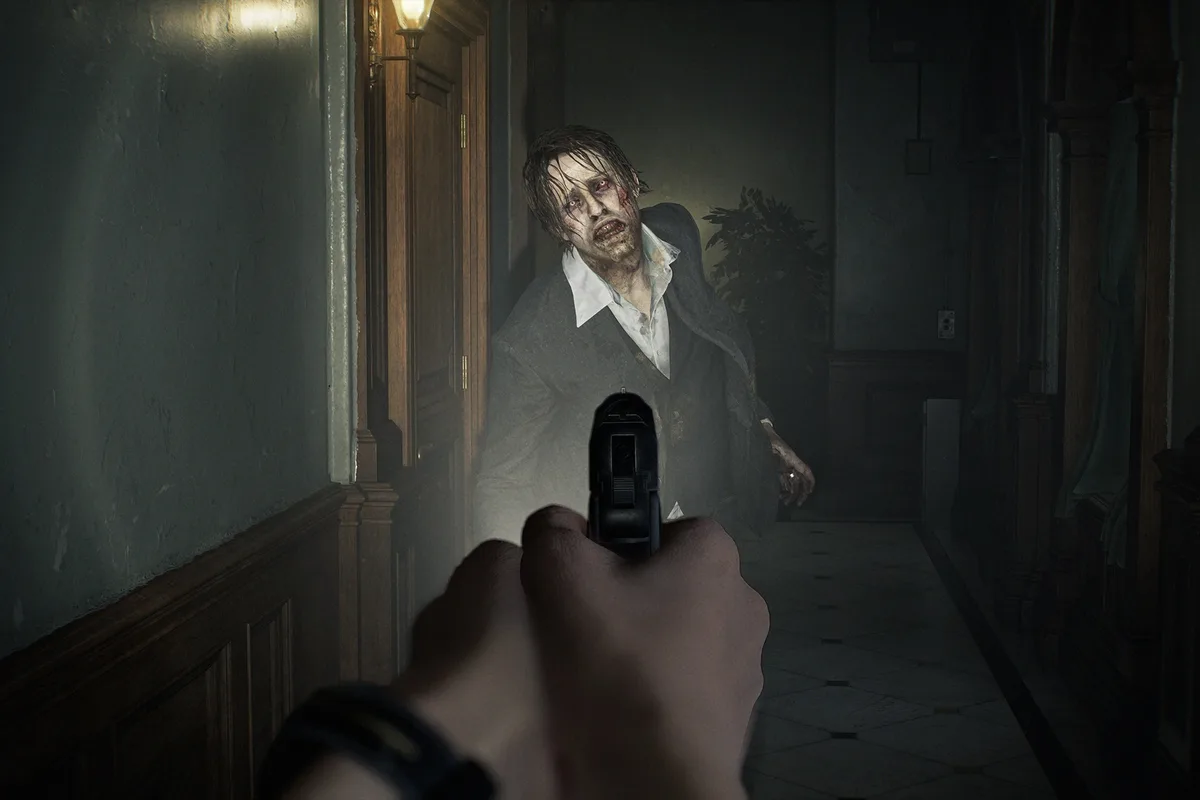
Leon cannot arrive without bringing the franchise with him
His presence immediately invokes Resident Evil 2, Resident Evil 4 and everything that followed.
PC Gamer celebrates the unapologetic action-hero version of Leon, and the fan service is frequently enjoyable. The structural cost is that the later game begins to revolve around legacy as much as the new story.
Raccoon City is stronger as a scar
The most effective ruins are not merely recognisable landmarks. They show a place abandoned by history and revisited by people who still cannot escape it.
Requiem is at its most evocative when the city feels archaeological rather than promotional.
Inheritance is the better theme
Grace investigates deaths connected to the place where her mother was murdered. Leon represents an older generation whose life never truly moved beyond bioterrorism.
One character inherits history. The other has spent decades trapped inside it.
Resident Evil still needs absurd villains
PC Gamer particularly praises Requiem's willingness to remain ridiculous underneath the horror. Victor Gideon and several enormous set pieces preserve the theatrical excess that has always been part of the franchise.
That absurdity is healthier than some of the plot machinery around it.
The last act looks backward too often
TechRadar's central criticism is persuasive: a game about moving forward becomes increasingly burdened by fan service and old mythology.
GameSpot is less negative but similarly notes how heavily Requiem depends on what previous Resident Evil games already established.
Grace prevents the anniversary from becoming a museum
Her perspective gives Requiem something genuinely new to protect.
The game can celebrate thirty years of Resident Evil without becoming entirely about Leon because Grace is there to ask what that history means to someone who did not live through all of it.