
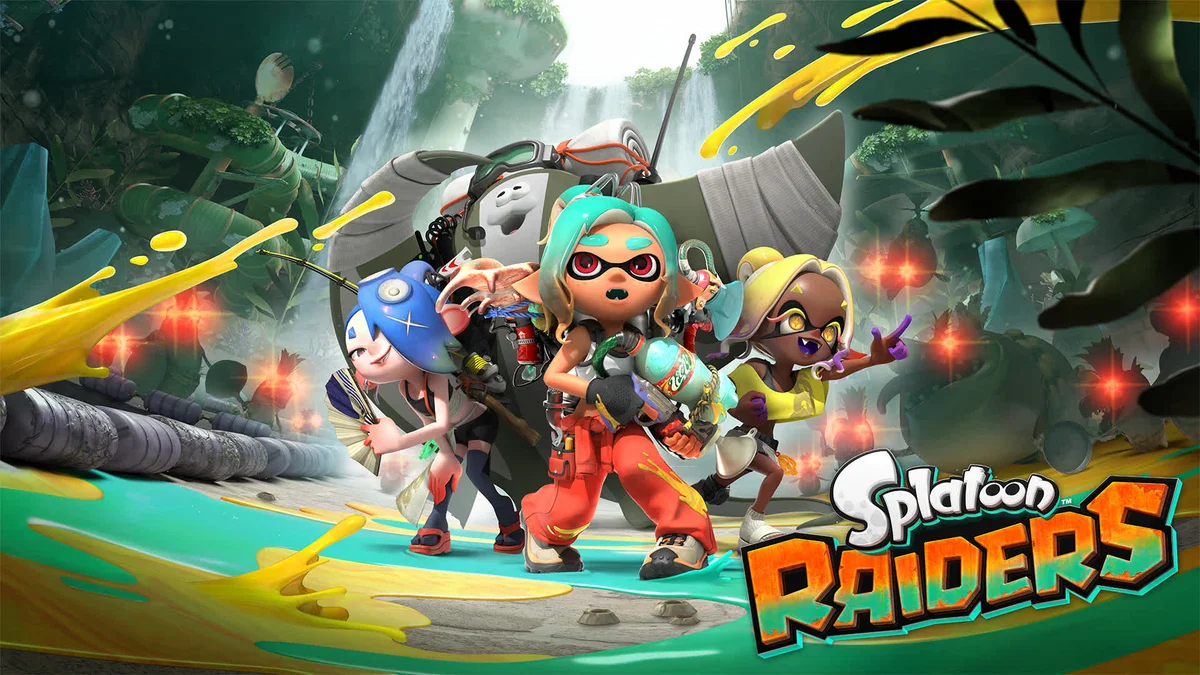
Splatoon takes place after humanity's disappearance, in a civilisation of cephalopods obsessed with fashion, music and the cultural debris of the species that came before them.
Splatoon Raiders uses that universe to tell a treasure hunt.
It is charming. It is also surprisingly ordinary.
The Spirhalite Islands provide a strong excuse
A storm forces Deep Cut and the Mechanic into an emergency landing. After spending a month assembling a makeshift hideout ship, the group begins raiding the surrounding islands for treasure, salvage and a way home.
The premise fits Deep Cut's swashbuckling persona perfectly.
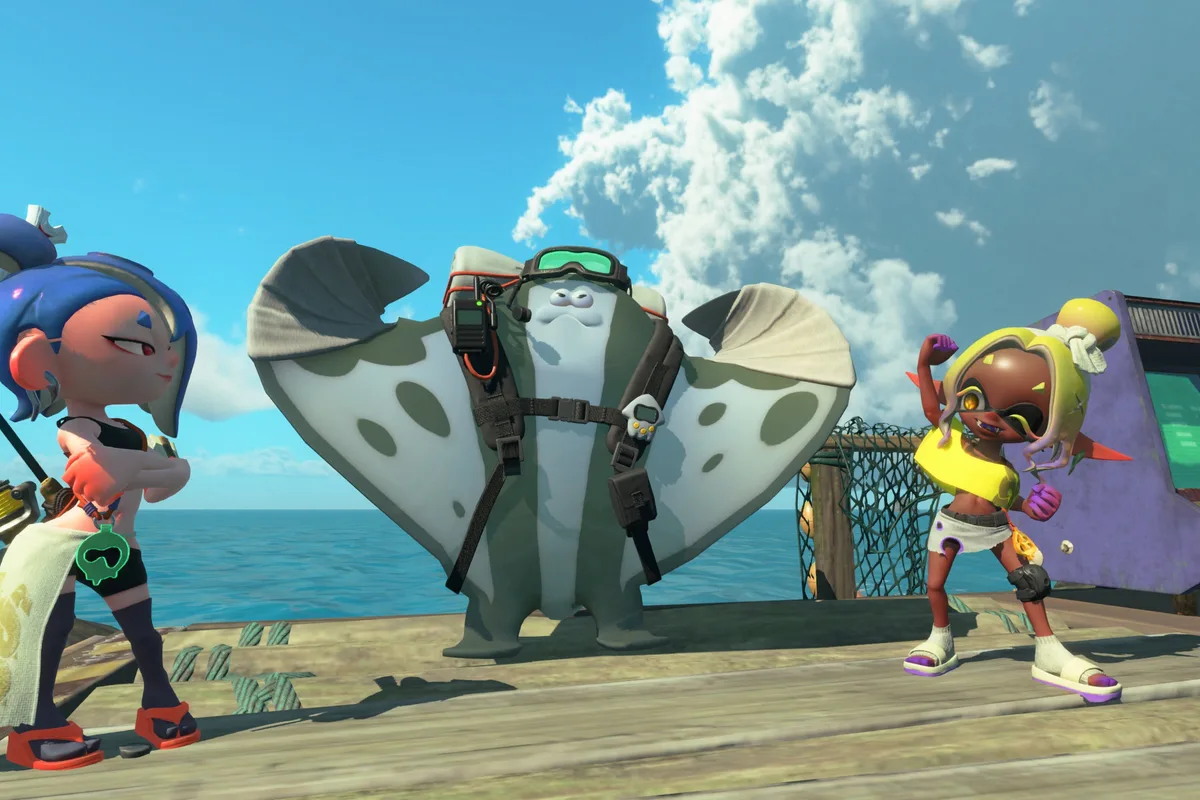
Deep Cut deserved more dramatic space
Shiver, Frye and Big Man remain recognisable companions and join expeditions through the Exploration Bot, but the story rarely makes them as important as their charisma suggests.
Game Informer calls the treasure-hunting plot silly and forgettable. Destructoid similarly treats the narrative as background for progression.
The Guardian raises the uncomfortable criticism
Its review is dramatically harsher than the broader consensus. The argument is not that Raiders fails mechanically, but that Splatoon's unusual identity has been fitted into a very familiar modern progression structure.
Loot, equipment stats, synergies and replayed missions are effective. They are also systems players have already seen across dozens of cooperative action games.
Ink prevents complete normalisation
Splatoon's paint remains unlike an ordinary shooter projectile. Ink is damage, traversal, reload space, escape route and territory.
That relationship with level geometry keeps Raiders from becoming simply a colourful Borderlands imitation.
The environment does more storytelling than the plot
TechRadar praises the atmosphere and environmental detail of the Spirhalite Islands. Rusted structures, scavenged machinery and Salmonid occupation create a rougher tone than the fashionable urban spaces associated with the main games.
The islands have a stronger story than several of the conversations taking place on them.
Even the music is unusually restrained
Game Informer finds the soundtrack increasingly repetitive over a long campaign.
That criticism carries unusual weight for Splatoon, a franchise whose fictional bands and musical subcultures are normally part of its central worldbuilding.
Accessibility comes with a cultural trade
Raiders is arguably the easiest recommendation in the franchise for players uninterested in competitive multiplayer.
Its challenge is now the opposite one: retaining the strange cultural identity of Splatoon while using a progression template that audiences already understand.
The mechanics deserve to continue. The next game should let the world become weird again.