
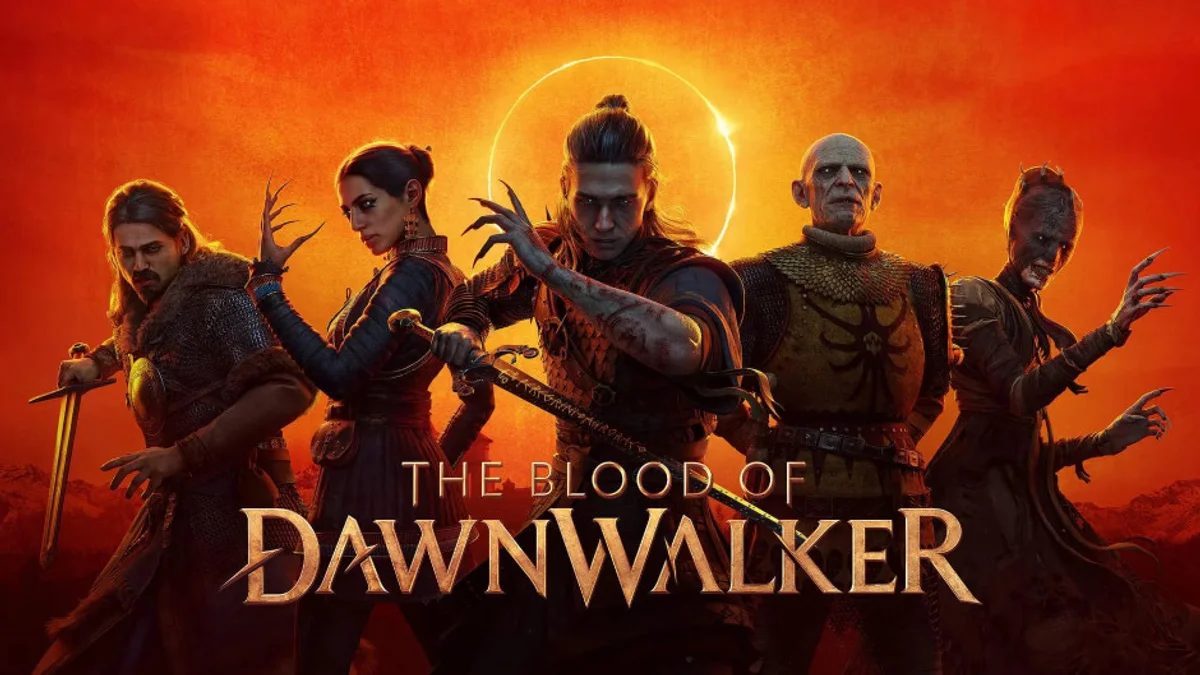
The Blood of Dawnwalker could easily have settled for being “the vampire RPG from former Witcher 3 developers.” That heritage is everywhere: a village conversation can become tragedy, monsters belong to local folklore rather than a generic fantasy catalogue, and ordinary people are constantly trapped beneath conflicts larger than themselves.
Vale Sangora works because it is not merely another Velen. Fourteenth-century society, plague, feudal power and vampirism intersect in a fiction where monsters do not appear after civilisation collapses. They exploit the collapse.
Brencis does not want to destroy the world, he wants to govern it
Brencis gives the story its most useful ambiguity. Vampires seize control of a region already devastated by disease and human violence. Their regime is authoritarian and predatory, yet Rebel Wolves carefully shows why some residents might still prefer its stability to what came before.
That keeps the villain from becoming another monster waiting in a castle. Brencis is a ruler. His lieutenants control territory, his policies affect daily life, and resistance can involve people with very different opinions about whether the old order deserves restoration.
Coen exists between categories without becoming a walking metaphor
Coen is human in daylight and vampire after dark. The split obviously serves gameplay, but it also shapes his identity. His family binds him to the life he had, while his powers constantly present a different version of what he could become.
Several reviewers nevertheless found Coen less memorable than the people around him. That criticism lands: vampires, witches, peasants and political figures can possess more immediate personality than the character carrying the entire story.
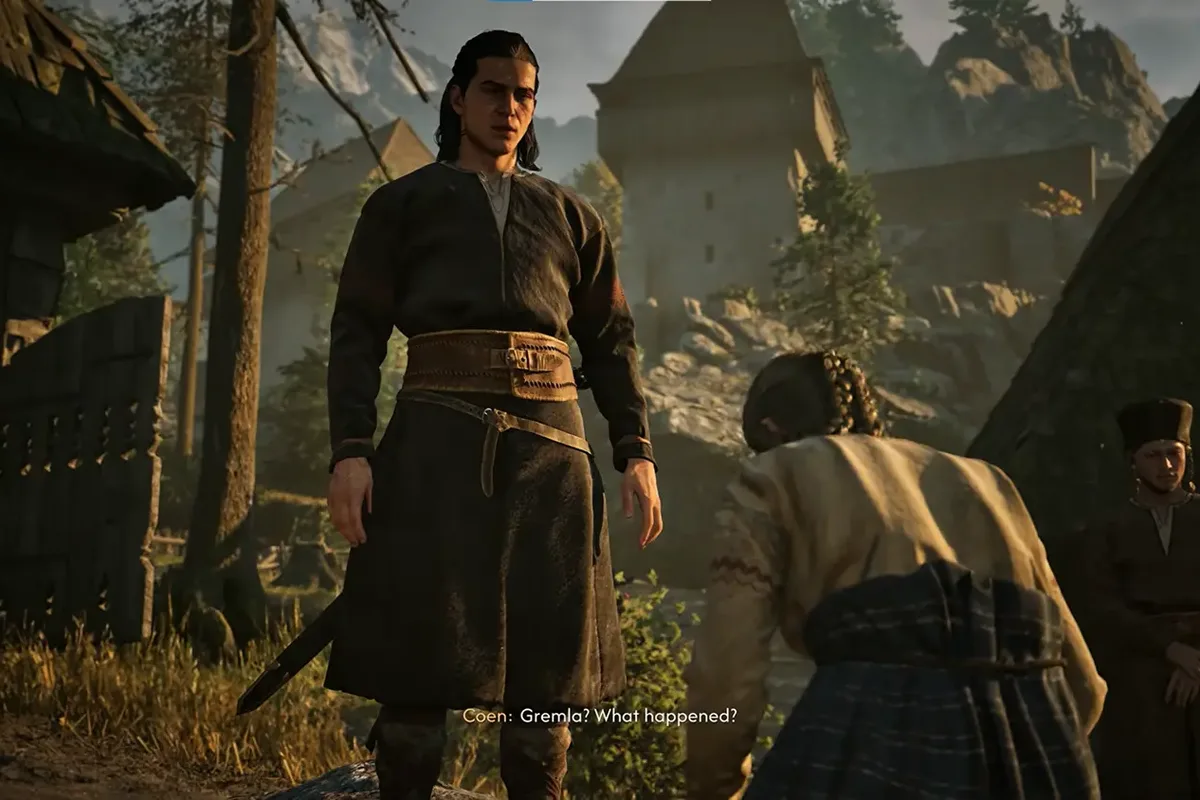
The best stories are the ones the game is willing to lose
The thirty-day limit works primarily as narrative discipline. It prevents the main story from insisting Coen's family is in immediate danger while the player spends months collecting herbs. Significant commitments cost time, so every detour says something about what Coen considers worth delaying his rescue for.
That also gives missed content unusual value. Failing to see the end of a storyline does not always feel like player error; it can be the natural consequence of choosing something else. Where many RPGs encourage exhaustion, Dawnwalker accepts incompleteness.
A miserable world still finds room for intimacy
The game is relentlessly dark, violent and frequently morbid, but its strongest scenes are not always the bloodiest. A conversation, a relationship or a small family obligation can suddenly matter because the clock exists.
Critical consensus strongly supports the writing and supporting cast, while opinions differ more sharply on how deep the consequences truly run. Some branches are excellent; elsewhere, the systems respond less dramatically than the presentation suggests.
The fantasy works because it remains dirty
Vale Sangora is not merely a gothic theme park designed around beautiful red sunsets. Villages, forests, ruins and fortresses feel like parts of a territory that existed before Coen arrived.
Supernatural horror sits alongside disease, poverty, hierarchy, superstition and survival. That friction gives Dawnwalker more identity than the spectacle of being a vampire alone.
The game is not always as subtle as its world, and Coen occasionally lacks the charisma of his strongest antagonists. Still, Rebel Wolves achieves the important thing: Vale Sangora feels like somewhere to understand, not just somewhere to clear.