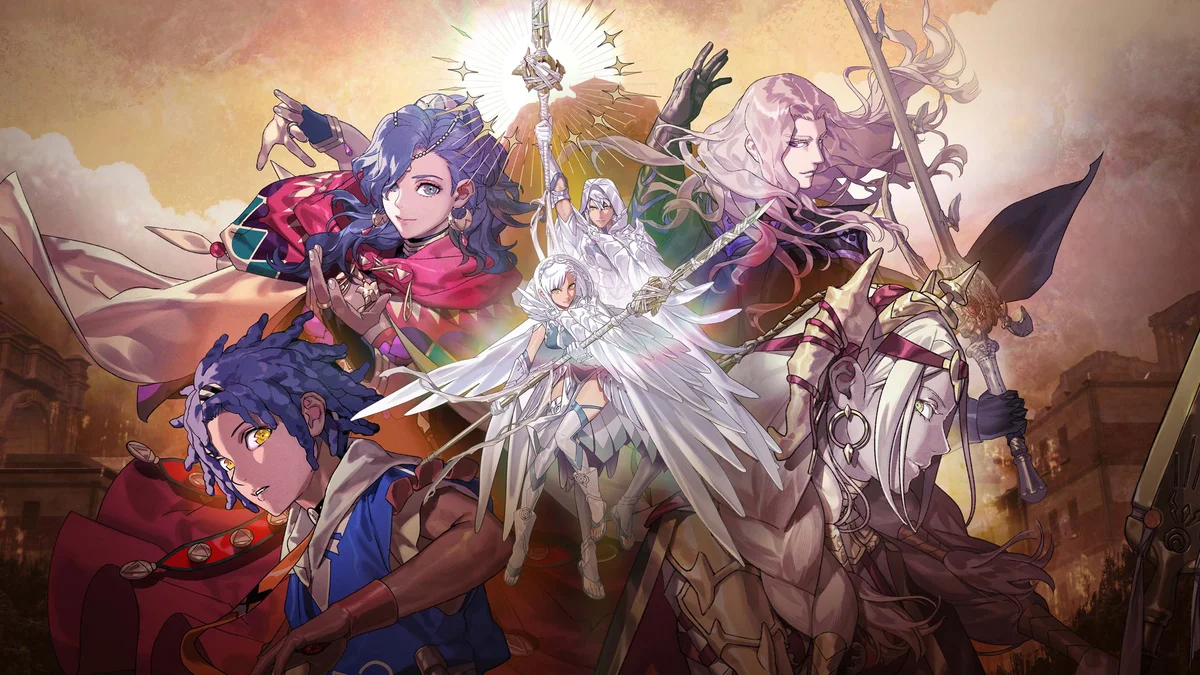
Fire Emblem: Fortune's Weave launches September 17 exclusively for Nintendo Switch 2. Its connection to Three Houses is deliberate: Dagda and Fódlan exist in the same world, Chinatsu Kurahana returns as character designer, and familiar figures can appear.
Intelligent Systems still does not consider it a straightforward sequel. The period, continent and narrative structure are different enough for the new game to stand alone.
Four people arrive at the Heroic Games for four different reasons
Cai comes from the quiet village of Ribeira and wants to save his imprisoned father. Dietrich is a swordsman from Fódlan obsessed with finding stronger opponents.
Theodora is the young queen of Saramis, pursuing an old ambition for her homeland. Leda is a musician whose home was taken from her and whose path begins with revenge.
Their stories intersect in Dagsion, where the Heroic Games promise one wish to the victor.
These routes are designed to unite rather than become enemies
That is where the Three Houses comparison becomes more useful. The 2019 game split its perspectives into political sides that eventually fought one another.
Fortune's Weave deliberately moves in the other direction. The four paths gradually become one force during the second half of the story.
The developers originally considered eight protagonists before reducing the concept to four. The ambition survived; the spreadsheet became smaller.
Dagda was designed to feel nothing like Fódlan
The team describes Fódlan as a stricter world shaped by doctrine and medieval Eastern European influences. Dagda looks toward the ancient Mediterranean instead, with intense sunlight, greater cultural variety and gods physically existing alongside humans.
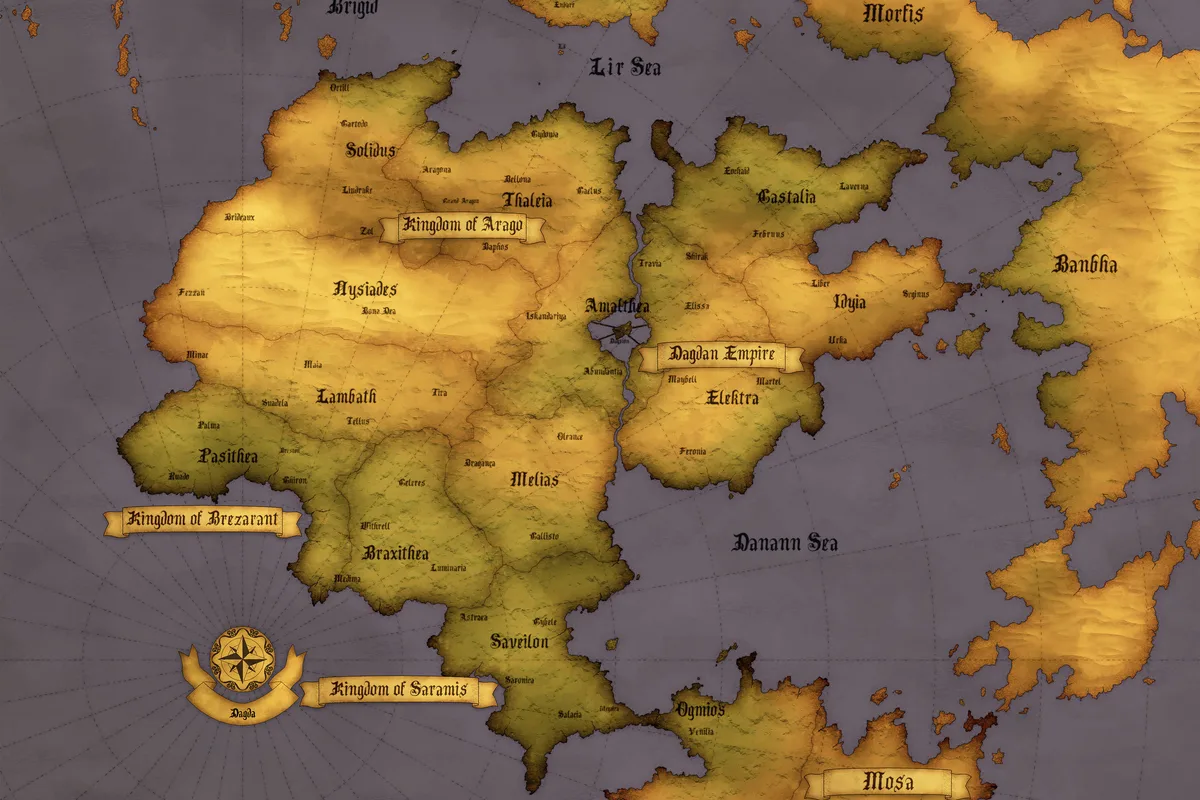
Character clothing reflects those regional differences. Theodora's people wear elaborate designs connected to a wealthy trading kingdom, while Leda's faction draws more heavily from travelling performers.
Music follows the narrative structure as well. Each major protagonist has a musical phrase associated with their path, and those individual motifs eventually combine when their stories meet.
The player is not actually one of those four heroes
The framing begins five years after the Heroic Games in a future where the Dagdan Empire has fallen to the revived demon god Balor and the four heroes have disappeared.
Sothis tasks the player's protagonist with travelling into the past alongside Fortuna and guiding those heroes toward a different outcome.
That setup gives the route-switching system a narrative purpose. The player is assembling several lives rather than simply inhabiting one.
Gameplay differences become characterisation
Cai farms and bonds with animals. Leda performs in taverns. Theodora recruits soldiers. Dietrich learns through combat.
Those systems obviously feed progression, but they also give each character a different relationship with Dagda before their mechanics begin crossing into the other routes.
A Fire Emblem about convergence
Fortune's Weave borrows several familiar ideas from Three Houses — a large cast, relationships, exploration and extensive character development — while refusing to make the first major narrative choice a wall.
Players can focus heavily on one hero, alternate between two or move all four stories forward together. Nintendo says there is no intended correct order.
Fire Emblem: Fortune's Weave is available now exclusively on Nintendo Switch 2.